

Garrity form 2026

Get Form
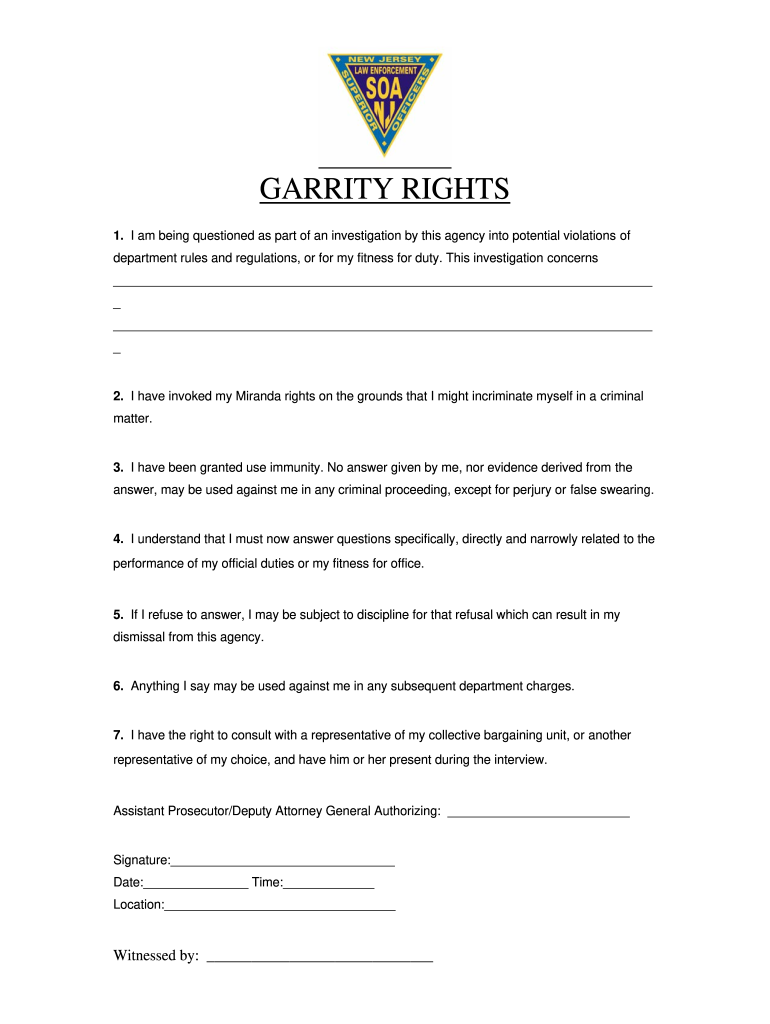
garrity warning Preview on Page 1

Here's how it works

01. Edit your garrity warning online
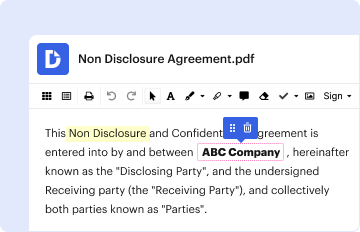
Type text, add images, blackout confidential details, add comments, highlights and more.
02. Sign it in a few clicks
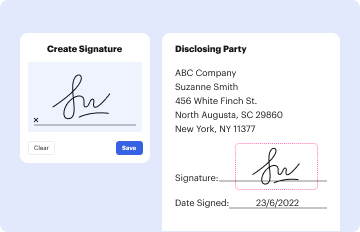
Draw your signature, type it, upload its image, or use your mobile device as a signature pad.
03. Share your form with others
Send garrity warning form for police officers via email, link, or fax. You can also download it, export it or print it out.

How to use or fill out the garrity form with our platform

Form edit decoration
9.5
Ease of Setup
DocHub User Ratings on G2
9.0
Ease of Use
DocHub User Ratings on G2
  1. Click ‘Get Form’ to open the garrity form in the editor.
  2. Begin by filling in the first section regarding the investigation. Clearly state the nature of the investigation and any relevant details in the provided space.
  3. Indicate whether you have invoked your Miranda rights by checking the appropriate box or writing a brief statement if required.
  4. If applicable, confirm that you have been granted use immunity by signing in the designated area. Ensure you understand that your answers cannot be used against you, except for specific circumstances.
  5. Complete any additional fields related to your official duties or fitness for office as instructed, ensuring clarity and precision in your responses.
  6. Sign and date the form at the bottom, and include any witnesses' names as required.

Start using our platform today to fill out your garrity form online for free!

See more garrity form versions

We've got more versions of the garrity form form. Select the right garrity form version from the list and start editing it straight away!
Versions Form popularity Fillable & printable
2007 4.4 Satisfied (42 Votes)
be ready to get more

Complete this form in 5 minutes or less

Get form

Got questions?

We have answers to the most popular questions from our customers. If you can't find an answer to your question, please contact us.
Contact us
Its important to note that Garrity only applies to public employees. This is because their employer is the government, and the government cannot compel a person to testify against themselves per the Fifth Amendment.
Garrity Rights apply to the right of a public employee not to be compelled to incriminate themselves by their employer. These rights are based on the 1967 United States Supreme Court decision Garrity v. New Jersey. Garrity Rights apply only to public employees, because they are employed by the government itself.
Garrity warnings are typically given to law enforcement officers who are suspected of misconduct, such as excessive force, corruption, or violation of departmental policies. The warning is meant to ensure that officers are aware of their rights and that their statements are voluntary and not coerced.
The basic premise of the Garrity protection is straightforward: First, an Officer cannot be compelled, by the threat of serious discipline, to make statements that may be used in a subsequent criminal proceeding; second, an Officer cannot be terminated for refusing to waive his Fifth Amendment right to remain silent.
If an employee makes false statements under Garrity protection, they can be prosecuted for making false statements, and their statements can be used against them in that prosecution. A number of courts have ruled that Garrity does not protect false statements.

Security and compliance

At DocHub, your data security is our priority. We follow HIPAA, SOC2, GDPR, and other standards, so you can work on your documents with confidence.

Learn more
ccpa2
pci-dss
gdpr-compliance
hipaa
soc-compliance
be ready to get more

Complete this form in 5 minutes or less

Get form

People also ask

Garrity protects public employees such as law enforcement officers, first responders, or city workers from prosecution for any statements made during an internal investigation that may be related to criminal conduct. Its important to note that Garrity only applies to public employees.
The Garrity ruling essentially provides that statements made under the threat of job-related discipline cannot be used in a criminal prosecution against the employee. This principle applies not just to police officers but to all public employees, though its impact is especially significant for law enforcement.

garrity warning form