Architect Balance Sheet Templates - Page 2

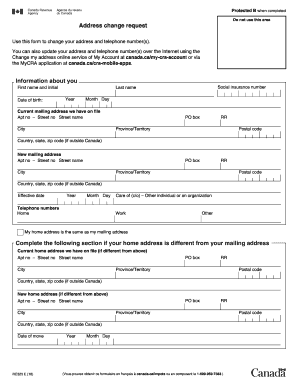
Select and preview Architect Balance Sheet Templates online. Get a document appropriate to your situation, modify and sign it, and safely distribute it with your colleagues and financial institutions.

Manage Architect Balance Sheet Templates easily online

Document management can stress you when you can’t locate all of the forms you need. Fortunately, with DocHub's considerable form library, you can discover everything you need and quickly deal with it without the need of changing between applications. Get our Architect Balance Sheet Templates and start utilizing them.

The best way to manage our Architect Balance Sheet Templates using these simple steps:

  1. Check Architect Balance Sheet Templates and choose the form you need.
  2. Preview the template and click Get Form.
  3. Wait for it to open in our online editor.
  4. Edit your document: add new information and images, and fillable fields or blackout some parts if required.
  5. Prepare your document, conserve alterations, and prepare it for delivering.
  6. When all set, download your form or share it with other contributors.

Try out DocHub and browse our Architect Balance Sheet Templates category with ease. Get your free account right now!


Video Guide on Architect Balance Sheet Templates management

video background

Commonly Asked Questions about Architect Balance Sheet Templates

Architectural firms operate in markets with many sellers and comparatively few buyers, so they need to differentiate themselves and present identifiable differences in capabilities . Overall, the target market of an architectural firm includes clients, users, society, and buyers in the real estate development sector.
The executive summary is a concise overview of your architectural project, highlighting its key features, benefits, and potential impact. It should provide enough information to grab the attention of readers and make them want to learn more about your project.
An architecture company focuses on making architectural designs that are also functional, while a construction company focuses on building the designs and bringing them to life.
In the business sector, business architecture is a discipline that represents holistic, multidimensional business views of: capabilities, end‐to‐end value delivery, information, and organizational structure; and the relationships among these business views and strategies, products, policies, initiatives, and
Business architecture provides architectural descriptions and views, referred to as blueprints, to provide a common understanding of the organization for the purpose of aligning strategic objectives with tactical demands.
The balance sheet provides a basic picture of your architectural firms overall financial health. Income Statement (Profit Loss Statement) - An income statement reports the firms total revenue, costs, and profits over a specific financial period (i.e. weekly, monthly, quarterly, or annually).
How to make a balance sheet Invest in accounting software. Create a heading. Use the basic accounting equation to separate each section. Include all of your assets. Create a section for liabilities. Create a section for owners equity. Add total liabilities to total owners equity.
Architecture is the art and technique of designing and building, as distinguished from the skills associated with construction. It is both the process and the product of sketching, conceiving, planning, designing, and constructing buildings or other structures.
An Architecture Firm Financial Model In Excel is an important financial tool that enables users to identify actual and forecasted expenditures, as well as financial resources needed to cover these costs. With a well-developed cost budget, you can see the areas where you can save money and the areas of high priority.
Business architecture is a discipline that represents and designs the holistic organizational structure, business processes, information flows, and technological infrastructure. It serves as a strategic framework, bridging the gap between an organizations vision and its tangible operations.