




Definition and Purpose of Duplicate CNIC Copy
A duplicate CNIC copy refers to an official reproduction of a Citizen National Identity Card (CNIC) issued by the National Database and Registration Authority (NADRA) in Pakistan. This document serves as a primary form of identification for Pakistani citizens and is crucial for a variety of legal and administrative purposes. The duplicate is typically requested when the original CNIC is lost, stolen, or damaged beyond use. It retains the same legal standing as the original, allowing individuals to perform essential tasks such as voting, opening bank accounts, and accessing government services.
How to Obtain a Duplicate CNIC Copy
To obtain a duplicate CNIC copy, candidates must navigate a systematic process established by NADRA. The steps typically include:
- Filing an Application: Visit the nearest NADRA registration center or access the official NADRA website to fill out the application form for a duplicate CNIC.
- Required Documentation: Prepare the necessary documents, which may include a copy of your Computerized National Identity Card (if available), a copy of your B-Form (for minors), and any police report if the CNIC was stolen.
- Photograph Submission: Provide recent passport-sized photographs as per NADRA's requirements.
- Biometric Verification: Undergo biometric verification, which includes fingerprint scans and possibly a facial recognition system.
- Fees Payment: Pay the required fee for the duplicate CNIC processing, which can vary based on service speed.
Upon completion of these steps, NADRA will process the request and issue the duplicate CNIC copy, which can typically be collected in person or sent via mail.
Steps to Complete the Duplicate CNIC Copy Application
Completing the duplicate CNIC copy application involves several detailed steps:
- Gather Information: Ensure you have accurate personal information, including your CNIC number, full name, and address.
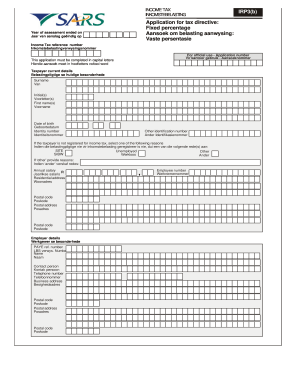
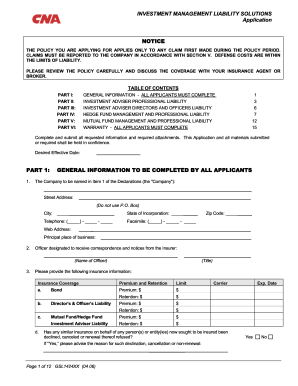
- Download the Application Form: The form can be downloaded from the NADRA website or obtained in person at the NADRA center.
- Fill Out the Form: Carefully complete the form. Include details about the circumstances surrounding the loss or damage of the original CNIC.
- Compile Required Documents: Collect supporting documents, including identification proof and two passport-sized photos.
- Submit Application: Submit your application at a NADRA registration center or online if the service is available.
- Complete the Biometric Verification: Attend your appointment for biometric verification, as it’s a key step for processing.
- Track Your Application: After submission, use NADRA's online tracking system to monitor the status of your duplicate CNIC copy.
Importance of Duplicating Your CNIC Copy
There are several compelling reasons to secure a duplicate CNIC copy:
- Legal Identification: A duplicate CNIC serves as a crucial legal form of identification, supporting a wide array of personal and professional activities.
- Access to Services: Many government services, including healthcare and education, require identification. A duplicate ensures uninterrupted access.
- Travel Requirements: For both local and international travel, possessing a valid CNIC is often necessary for ticket purchases and identification checks.
- Financial Transactions: Banks and financial institutions require a CNIC for account openings and transactions; having a duplicate ensures you can manage your finances effectively.
Target Users of Duplicate CNIC Copies
The duplicate CNIC copy is utilized by various groups, including:
- Individuals: Any citizen who has lost or damaged their CNIC and requires a replacement for personal identification.
- Students: Young people who may need the CNIC for enrollment into educational institutions or applying for various services available to students.
- Professionals: Employees across sectors that necessitate valid identification for job applications, banking procedures, and legal contracts.
- Migrants: Citizens traveling abroad who require identification for airline travel or visa applications.
Legal Use of Duplicate CNIC Copies
A duplicate CNIC copy holds the same legal weight as the original document. This equivalency means it can be used for:
- Voting: Citizens must present a valid CNIC to vote in elections, making it essential for participation in the democratic process.
- Court Proceedings: The duplicate can serve as identification in legal matters, such as appearing in court or verifying identity in legal contracts.
- Employment Verification: Employers may require a CNIC for onboarding processes, making the duplicate indispensable for job seekers.
Ensuring that the duplicate CNIC is obtained according to the prescribed legal framework safeguards the holder's rights and access to services.
Required Documents for Duplicate CNIC Application
When applying for a duplicate CNIC copy, individuals must prepare the following documents:
- Original CNIC (if available): Even a partially damaged CNIC can expedite the process.
- Application Form: This must be completely filled out and signed.
- Photocopies of Documents: Copies of supporting documents such as a birth certificate, passport, or any other ID may be necessary.
- Passport-Sized Photographs: Typically, two recent photographs are required.
- Police Report: If the CNIC was reported stolen, a police report may be essential.
Ensuring all documents are in order can significantly streamline the application process and minimize delays.
Tracking Your Duplicate CNIC Application Status
After submitting the application for a duplicate CNIC, tracking its status is possible through several means:
- Online Portal: NADRA provides an online tracking system where applicants can enter their application number to check the current status.
- SMS Service: Some applicants may receive SMS notifications regarding the progress of their application, depending on the services offered by NADRA.
- In-Person Inquiry: Individuals can visit the NADRA registration center where they submitted the application for updates.
Effective tracking helps applicants stay informed about their application status and estimated time for collection.