



Definition and Meaning of a Waybill Template Word
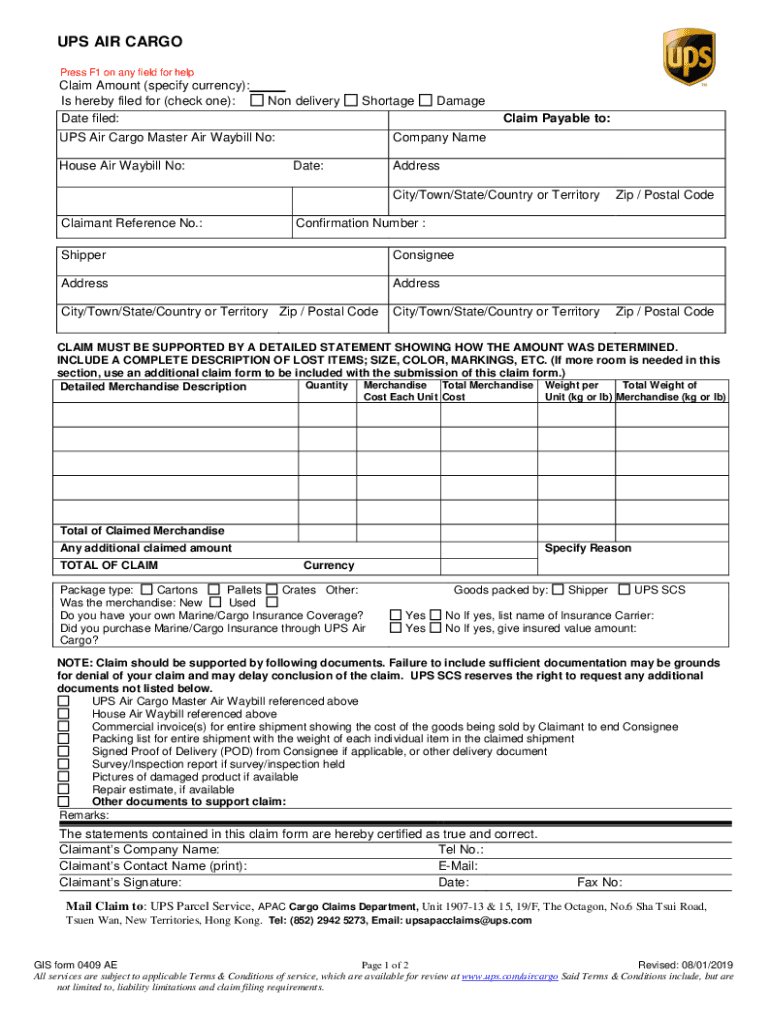
A waybill template word is a standardized document used for the transportation of goods that provides important details about the shipment. This includes sender and receiver information, shipment content, weights, and delivery instructions. The purpose of a waybill is to facilitate the movement of goods by providing necessary information to shipping companies, customers, and regulatory authorities. It serves as a contract between the shipper and the carrier, detailing the terms and conditions of the transport.
Types of waybills include:
- Consignment waybills: Specifically used for items transported for someone else.
- Freight waybills: Used for shipments transported by air, sea, or land.
- House waybills: Issued by freight forwarding companies for goods consolidated in one shipment.
Understanding the waybill template word is crucial for businesses involved in logistics and shipping, ensuring compliance with regulations and smooth operation of deliveries.
How to Use the Waybill Template Word
Utilizing a waybill template word effectively streamlines the shipping process. Begin by downloading a waybill template from a reputable source, such as DocHub. After opening the template in your preferred word processor, complete the following steps:
- Sender Information: Input the name, address, and contact details of the sender. Ensure accuracy for successful delivery.
- Receiver Information: Enter the recipient's name, address, and contact number. Verifying this information minimizes errors during transit.
- Description of Goods: Clearly detail the contents of the shipment. Include specifics such as item names, quantities, and dimensions.
- Shipping Details: Specify the method of transport, delivery instructions, and any special requirements for handling the goods.
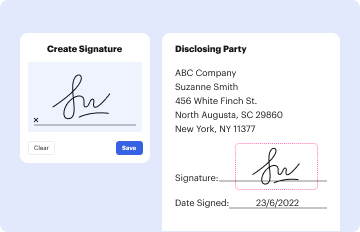
- Signature Line: Provide space for necessary signatures from both the sender and the carrier to validate the contract.
Reviewing the completed waybill ensures all information is correct before printing and attaching it to the shipment. This not only aids the shipping company but also serves as a valuable record for future reference.
Key Elements of the Waybill Template Word
A well-structured waybill template word contains several key elements that are essential for efficient shipping and delivery. These elements include:
- Bill of Lading Number: A unique identifier for tracking the shipment.
- Date of Shipment: The date when the goods are dispatched.
- Details of Shipper and Carrier: Information on the individuals or companies involved in the shipping process.
- Package Details: Information regarding how many packages are being shipped and their respective weights.
- Delivery Instructions: Specific directions for delivering the shipment, including preferred delivery times and contact information for delivery queries.
- Legal Terms and Conditions: Clauses stating the responsibilities and liabilities of both parties involved in the shipment.
Incorporating these elements within the waybill ensures clarity and compliance throughout the shipping process, reducing the likelihood of disputes or misunderstandings.
Steps to Complete the Waybill Template Word
Completing a waybill template word accurately requires a systematic approach. Follow these steps:
- Download the Template: Acquire a waybill template word from a trusted website, ensuring it is formatted correctly for your needs.
- Open the Template: Launch the document using Microsoft Word or any compatible word processor where you can edit the text easily.
- Fill in Sender and Receiver Details: Carefully enter the required information in the designated fields. Double-check this data for any inaccuracies.
- Describe the Shipment: Provide a detailed description of the goods being shipped, including quantities, special handling instructions, and any other pertinent information.
- Calculate Total Weight and Dimensions: Accurately gather and input the total weight for each package to streamline the shipping process.
- Review for Accuracy: Conduct a final check of all entries to ensure completeness and accuracy before finalizing the document.
- Save and Print the Waybill: Once satisfied that all information is correctly entered, save the document and print copies for shipping and record-keeping.
Following these steps guarantees that the waybill is complete and ready for use, facilitating a smoother shipping experience.
Important Terms Related to the Waybill Template Word
Understanding certain terms associated with the waybill template word is fundamental for effective shipping practices. Key terms include:
- Consignee: The person or entity that receives the shipment.
- Freight Charges: The costs associated with transporting goods, which may vary based on distance, weight, and type of cargo.
- Manifest: A document listing all items contained within a shipment, often accompanying the waybill.
- Shipping Readiness: The status indicating whether goods are properly packaged and labeled for shipment.
- Waybill Number: A unique tracking number assigned to the shipment, allowing for easy reference and tracking.
Familiarity with these terms enhances clarity during logistics discussions and documentation.
Legal Use of the Waybill Template Word
The legal implications of using a waybill template word are significant. It serves not only as a receipt for the shipment but also as a contract between the shipper and the carrier. Key legal considerations include:
- Binding Agreement: The waybill constitutes a contract that obligates both parties to the terms outlined within the document. If the shipment is lost or damaged, the waybill provides essential evidence for claims.
- Regulatory Compliance: Adhering to local and federal shipping regulations ensures that all necessary details are documented. In the U.S., regulatory agencies may require specific data points within the waybill.
- Liability Limitations: Many waybills include clauses that outline the carrier's liability in the event of loss or damage. Understanding these limitations is crucial for both senders and carriers.
Companies must ensure that their waybill template complies with applicable legal standards to avoid complications during shipping transactions.
Examples of Using the Waybill Template Word
The waybill template word can be utilized across various industries from retail to logistics. Here are examples of how businesses leverage this template:
- E-commerce Businesses: Online retailers use waybill templates to facilitate the distribution of products to customers. Accurate waybills enhance customer satisfaction and operational efficiency.
- Freight Forwarders: These logistics providers utilize waybill templates to manage numerous shipments, ensuring adherence to international shipping regulations.
- Manufacturers and Distributors: Companies often ship bulk items to retailers and must utilize waybills to document the details of the goods being delivered.
- Courier Services: Local and national delivery services rely on waybill templates to track shipments, manage billing, and support customer service inquiries.
These examples illustrate the versatility and importance of a waybill template in maintaining organized shipping practices across diverse sectors.