



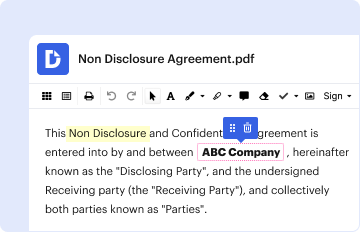
01. Edit your how to file a restraining order online for free online
Type text, add images, blackout confidential details, add comments, highlights and more.

Type text, add images, blackout confidential details, add comments, highlights and more.
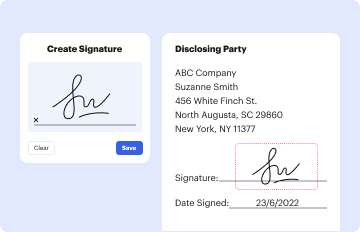
Draw your signature, type it, upload its image, or use your mobile device as a signature pad.
Send file a restraining order online free via email, link, or fax. You can also download it, export it or print it out.
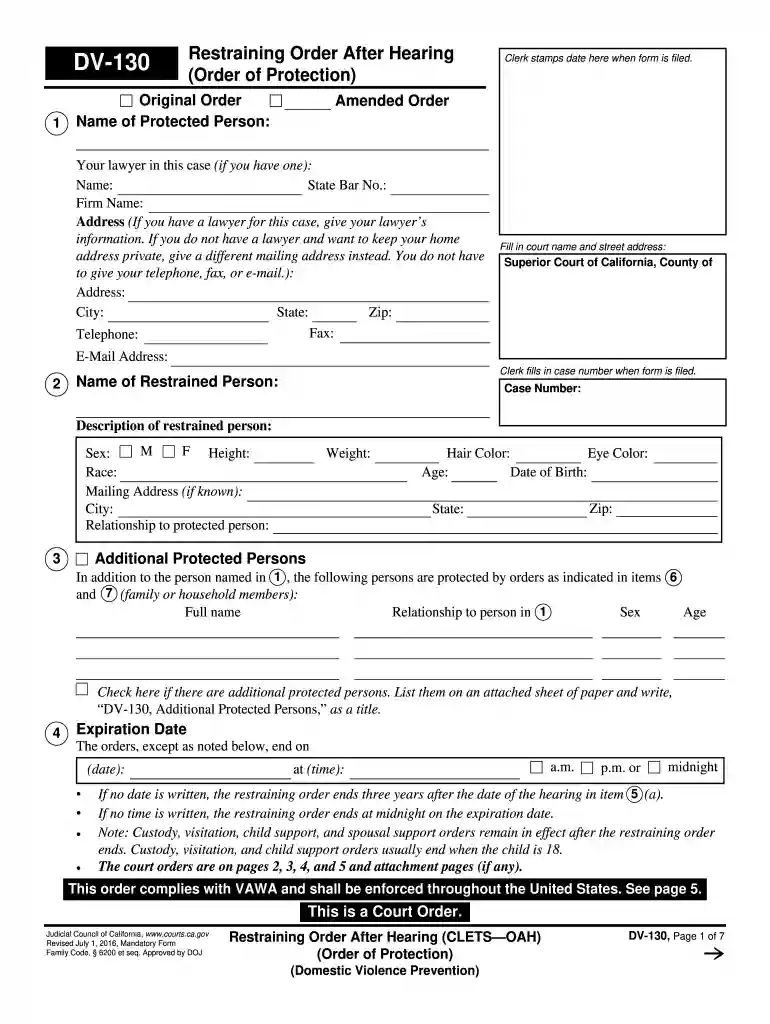
The restraining order online form is a legal document designed to provide protection to individuals from harassment, abuse, or violence. This form can be crucial for those seeking immediate legal relief and establishing boundaries against someone who poses a threat.
A restraining order online form typically includes the following essential components:
Ensuring that all necessary fields are accurately filled out can greatly improve the chances of the request being granted.
Filing for a restraining order online offers a streamlined process to obtain legal protection. Here’s how to navigate the steps:
When submitting a restraining order online, certain considerations should not be overlooked:
If a restraining order is granted, violating it can have significant repercussions for the prohibited individual, including:
Individuals seeking support while filling out the restraining order online form can take advantage of various resources, including:
The restraining order online form serves as a vital tool for individuals needing to protect themselves from potential threats. Understanding how to navigate the submission process, the necessary components, and the implications of the order can empower those facing challenging situations and facilitate a faster response for safety and legal recourse.
We've got more versions of the how to file a restraining order online for free form. Select the right how to file a restraining order online for free version from the list and start editing it straight away!
At DocHub, your data security is our priority. We follow HIPAA, SOC2, GDPR, and other standards, so you can work on your documents with confidence.
Form DV-110: If you were served with form. DV-110, it means that the judge granted a temporary restraining order against you. You must follow the orders. WhatRead more
Fill and file forms to start a civil harassment restraining order case. Then, have a copy of the forms delivered (served) to the person who is harassing you.Read more


