






Definition and Purpose of the EPA Refrigerant Log Sheet PDF
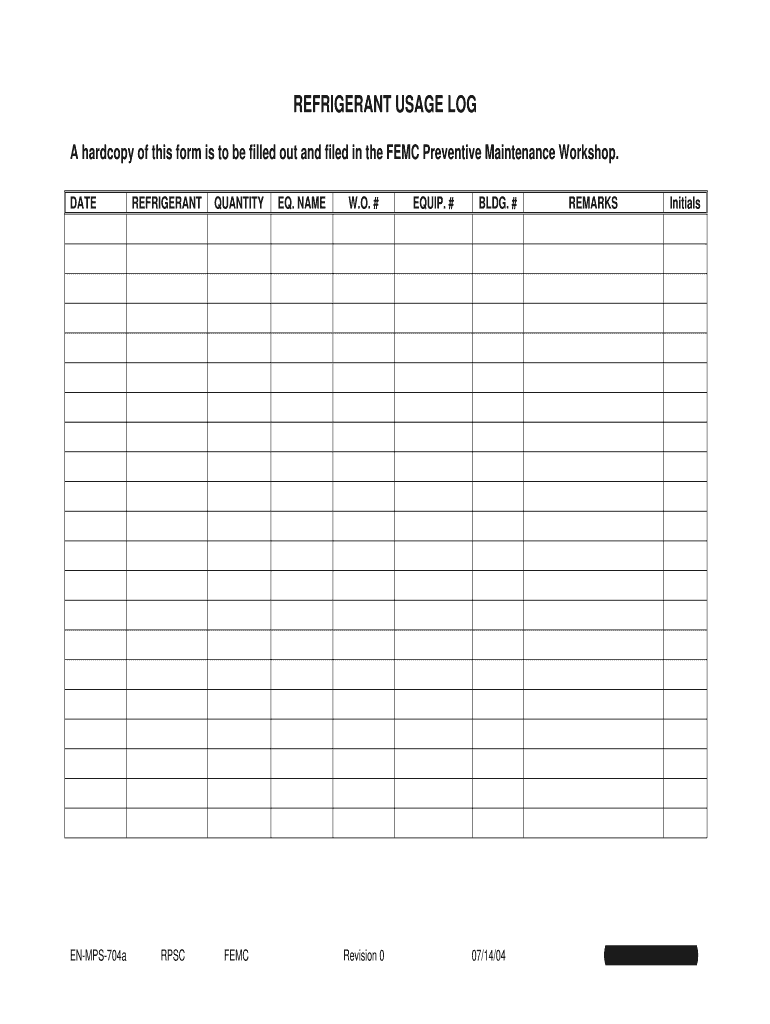
The EPA refrigerant log sheet is an essential document used for tracking the use, recovery, and disposal of refrigerants by HVAC professionals. This log sheet helps ensure compliance with EPA regulations regarding refrigerant management. Accurate record-keeping reflects an organization’s commitment to environmental stewardship and adherence to legal requirements. The log typically includes details such as the type of refrigerant used, quantity, and date of usage.
Importance of Tracking Refrigerant Usage
- Environmental Compliance: Proper documentation aids in complying with regulations aimed at reducing harmful emissions.
- Audit Preparedness: In case of inspections by regulatory bodies, having detailed logs becomes crucial.
- Preventing Leakage: Consistent logging helps in monitoring refrigerant systems for leaks, thereby reducing wasted resources.
How to Obtain the EPA Refrigerant Log Sheet PDF
Accessing the EPA refrigerant log sheet PDF is straightforward. It can be obtained from various online sources, including the official EPA website and document-sharing platforms. Individuals may also find templates available for modification and use within their organizations.
Steps to Obtain the Log Sheet
- Visit Official Sources: Navigate to the EPA’s official website.
- Search for Templates: Use the search bar to look for the "EPA refrigerant log sheet PDF."
- Download the Document: Click on the appropriate link to download the file to your device.
- Utilize Document Services: Alternatively, document management platforms like DocHub also provide access to similar templates, allowing you to edit and track refrigerant usage seamlessly.
Steps to Complete the EPA Refrigerant Log Sheet PDF
Completing the EPA refrigerant log sheet PDF requires attention to detail to ensure compliance. Each section of the form must be filled out accurately to maintain the integrity of the document.
Completion Guidelines
- Enter Date and Location: Start by documenting the date of refrigerant use and the site location where the refrigerant is being utilized.
- Specify Refrigerant Type: Clearly indicate the type of refrigerant used, such as R-22 or R-410A.
- Record Quantity Used: Document the exact quantity of refrigerant used in pounds or ounces.
- Identify Equipment: Fill in the name of the equipment that utilized the refrigerant and, if necessary, the work order number for tracking purposes.
- Final Remarks: Include any additional comments or observations that might be relevant for future reference.
Key Elements of the EPA Refrigerant Log Sheet PDF
Understanding the essential components of the EPA refrigerant log sheet can enhance its effectiveness for users. Each element has its purpose and significance in compliance and operational efficiency.
Main Components
- Date of Use: Important for tracking when refrigerant was utilized.
- Refrigerant Type: Identifies the specific refrigerant to ensure proper handling and management.
- Quantity: Keeps a record of how much refrigerant is being consumed.
- Equipment Identification: Helps trace back to the equipment using the refrigerant, facilitating maintenance and troubleshooting.
- Approval Signatures: Signatures from relevant personnel demonstrate accountability and oversight.
Legal Use of the EPA Refrigerant Log Sheet PDF
The legality of using the EPA refrigerant log sheet PDF is anchored in environmental regulations set forth by the Environmental Protection Agency. Proper use and record-keeping are fundamental to ensuring compliance with laws designed to protect air quality and mitigate climate change.
Compliance Requirements
- Documentation: Log sheets must be accurately completed and retained for a specified period, typically three years, to comply with federal regulations.
- Inspection Preparedness: In the event of an EPA audit, having these logs available is necessary to demonstrate adherence to regulatory standards.
- Penalty Avoidance: Non-compliance with record-keeping requirements can result in substantial fines and sanctions.
Who Typically Uses the EPA Refrigerant Log Sheet PDF
The EPA refrigerant log sheet PDF is primarily utilized by professionals in the HVAC industry, including technicians, maintenance personnel, and management teams responsible for equipment involving refrigerants.


Typical Users
- HVAC Technicians: Individuals who service, install, and maintain cooling systems.
- Facility Managers: Those overseeing the operation of buildings and ensuring compliance with environmental regulations.
- Environmental Compliance Officers: Professionals tasked with ensuring companies adhere to state and federal environmental laws.
Examples of Using the EPA Refrigerant Log Sheet PDF
Practical examples can provide clarity on how to effectively use the EPA refrigerant log sheet. Various scenarios highlight the significance of diligent tracking and accurate documentation.
Real-World Applications
- Routine Maintenance: During a scheduled maintenance check, a technician documents the recovery of R-134A refrigerant when replacing a malfunctioning compressor.
- Emergency Repairs: An HVAC technician logs the use of a large quantity of refrigerant during an emergency repair to restore cooling in a critical server room.
- Annual Audits: During annual audits, a facility manager refers to the logs to prepare for an environmental compliance inspection, ensuring all documented usage aligns with reported figures.
This comprehensive exploration of the EPA refrigerant log sheet PDF covers its definition, acquisition process, completion steps, key elements, legal implications, intended users, and practical use cases, providing a complete understanding tailored to those responsible for managing refrigerants in compliance with regulations.