






Understanding the Vehicle Handover Form
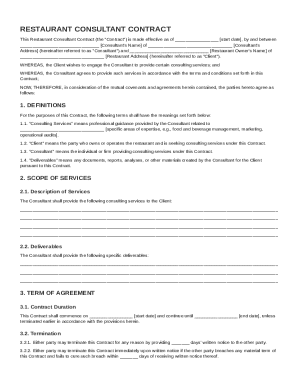
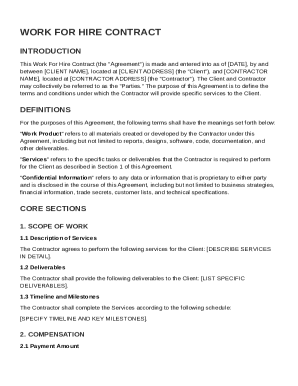
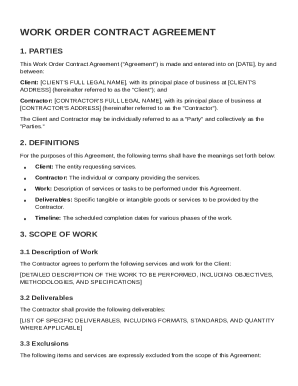
The vehicle handover form, often referred to as a vehicle handover checklist or vehicle handover letter, is a crucial document used during the transfer of vehicle ownership or operation from one party to another. This form ensures that all parties involved are aware of the vehicle's condition, any outstanding obligations, and the specifics of the handover process. It typically includes important details such as the vehicle's make, model, year, VIN (Vehicle Identification Number), and the names and signatures of both the giver and the receiver.
Steps to Complete the Vehicle Handover Form
Completing a vehicle handover form involves several important steps to ensure accuracy and legality. Here’s a breakdown of the process:
- Gather Necessary Information: Collect all relevant details about the vehicle, such as its make, model, year, VIN, and current mileage.
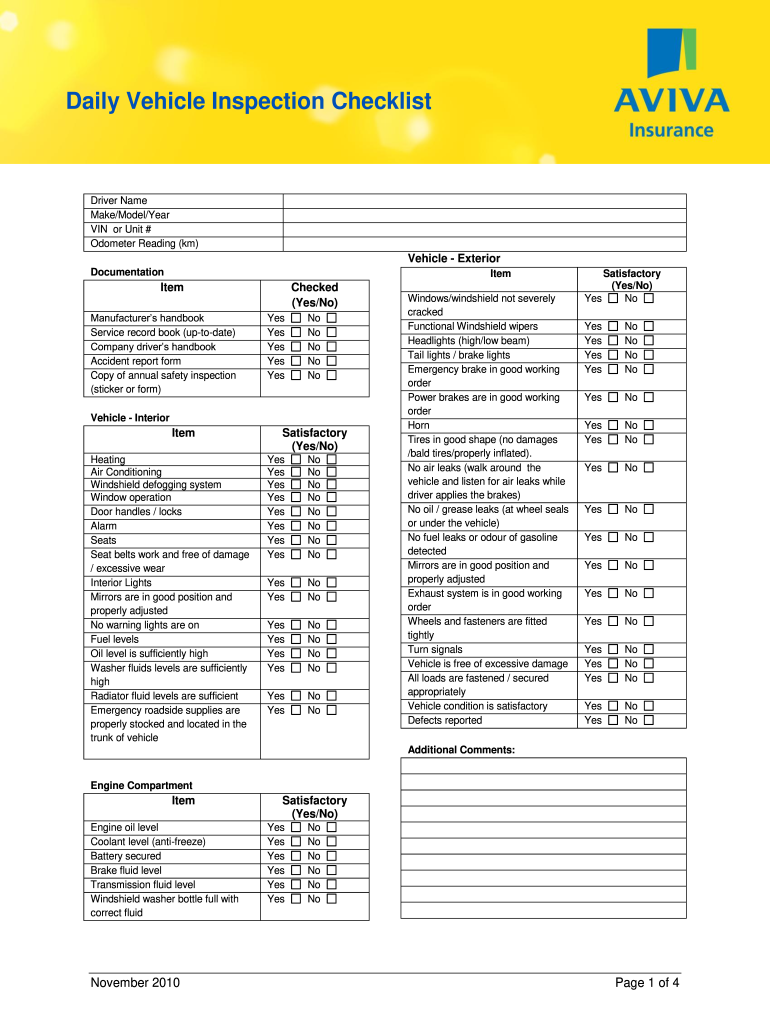
- Document Condition: Inspect the vehicle thoroughly and record its condition. Note any damages or issues that need to be addressed. This section may also include a checklist for items that were or were not included in the handover (e.g., spare tire, manual).
- Fill in Recipient Information: Provide the recipient's full name, contact information, and any necessary identification details to confirm their identity.
- Specify Terms of Handover: Clearly outline the terms under which the vehicle is being handed over, including any financial arrangements, ongoing maintenance agreements, or any other conditions.
- Sign and Date: Both parties should read the document carefully and sign and date the form to acknowledge their agreement with the terms.
This step-by-step approach not only streamlines the process but also helps prevent potential disputes in the future.
Key Elements of the Vehicle Handover Form
The vehicle handover form encompasses several key elements that provide a comprehensive overview of the transaction:
- Vehicle Details: This section includes the vehicle's make, model, year, VIN, and any other relevant specifications.
- Parties Involved: Names and contact information of both the giver and the recipient must be clearly stated.
- Condition of the Vehicle: A detailed description of the vehicle's current state, including any identified damages or required repairs.
- Terms of Handover: Clarity on any financial obligations or agreements related to the vehicle, such as loan payments, insurance responsibilities, etc.
- Signatures: The form should end with both parties' signatures and the date of the handover, making it a legally binding document.
This section ensures that all necessary information is captured in one centralized location, providing both parties with a clear understanding of their responsibilities.
Legal Use of the Vehicle Handover Form
The vehicle handover form serves a legal purpose in vehicle transfers. By completing and signing this document, both parties acknowledge the terms of the handover and agree to the conditions stated therein. This is particularly important in the following scenarios:
- Transfer of Ownership: When a vehicle is sold or gifted to a new owner, this form acts as proof of the transaction.
- Company Cars: Businesses may require employees to sign a vehicle handover form when taking possession of a company vehicle to clarify responsibilities related to maintenance, insurance, and reporting any damages.
- Liabilities and Insurance: The form generates a record that can be referenced in case of accidents, damages, or liability claims that may arise after the handover.
Understanding the legal implications of the vehicle handover form ensures that both parties remain protected throughout the transaction.
Examples of Using the Vehicle Handover Form
The vehicle handover form is applicable in various contexts, such as:
- Private Sales: Individuals buying or selling personal vehicles should use the form to document the transaction, including any conditions or agreements.
- Rental Companies: At the end of a vehicle rental period, companies may use a handover form to note the condition of the car upon return, which can help resolve any disputes regarding damage or extra charges.
- Corporate Transfers: Businesses may implement a standardized vehicle handover checklist to streamline the process of transferring cars between employees, ensuring all details are noted and legally acknowledged.
These real-world examples illustrate the flexibility and utility of the vehicle handover form across different sectors.
Important Terms Related to Vehicle Handover Form
Understanding the terminology related to the vehicle handover form is essential for both parties to communicate effectively and fulfill their responsibilities. Key terms include:
- VIN (Vehicle Identification Number): A unique code used to identify individual vehicles and their specifications.
- Ownership Transfer: The process of changing the registered owner of a vehicle, often necessitating a formal document.
- Inspection Report: A document detailing the condition of the vehicle at the time of handover, crucial for assessing liability.
- Liability: Responsibilities associated with the vehicle once it has been handed over, which may include insurance obligations.
Familiarity with these terms helps both parties understand their obligations and rights during the handover process.