



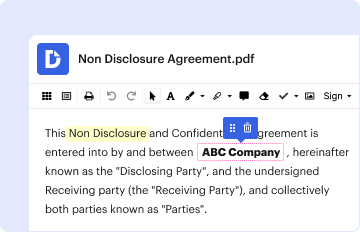
01. Edit your ups maintenance checklist pdf online
Type text, add images, blackout confidential details, add comments, highlights and more.

Type text, add images, blackout confidential details, add comments, highlights and more.
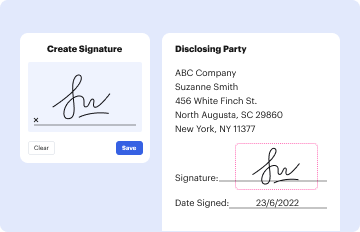
Draw your signature, type it, upload its image, or use your mobile device as a signature pad.
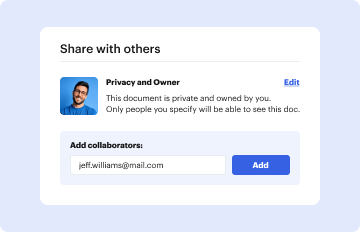
Send ups testing checklist via email, link, or fax. You can also download it, export it or print it out.
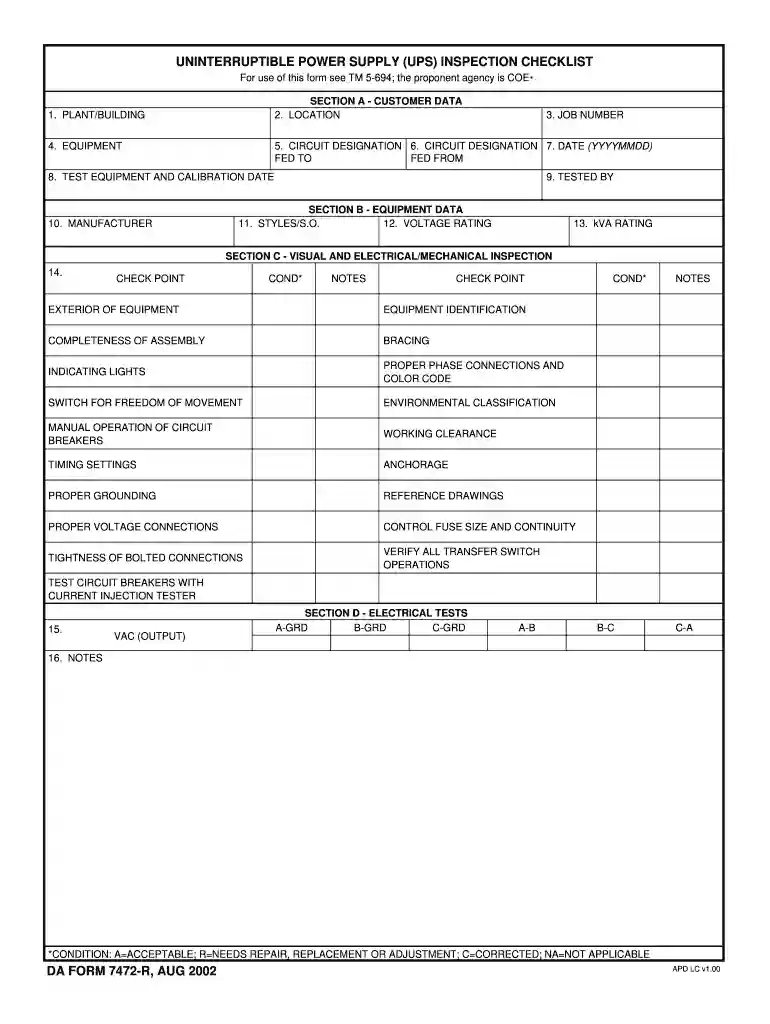
The UPS Daily Checklist PDF serves as a structured tool designed to assess the functionality and condition of Uninterruptible Power Supply (UPS) equipment daily. This checklist provides a systematic approach to ensure the UPS delivers continuous power without interruptions, which is critical for maintaining operations in environments sensitive to power outages. It includes various sections that cover essential aspects such as visual inspections, operational tests, and notes on the condition of UPS components.
Utilizing the UPS Daily Checklist PDF effectively involves several steps aimed at ensuring thorough and compliant inspections.
By following this structured approach, users can ensure that they maintain the reliability of their UPS systems through consistent and thorough evaluations.
Completing the UPS Daily Checklist PDF requires diligence and attention to detail. Here are the specific steps to ensure that the process is thorough and accurate:
This methodical approach helps maintain high operational standards and prolongs the lifespan of UPS systems.
Familiarity with key terms is crucial for effectively using the UPS Daily Checklist PDF. Understanding these concepts enhances the user’s ability to navigate UPS inspections.
Understanding these terms promotes better adherence to guidelines and improves overall maintenance practices.
The UPS Daily Checklist PDF is predominantly utilized by professionals in sectors where continuous power is critical. The following groups are common users:
The diverse range of users underscores the importance of this checklist in various critical environments, fostering reliability and operational stability.


We've got more versions of the ups maintenance checklist pdf form. Select the right ups maintenance checklist pdf version from the list and start editing it straight away!
| Versions | Form popularity | Fillable & printable |
|---|---|---|
| 2002 | 4.8 Satisfied (106 Votes) |
Managing your documents with DocHub this way is very easy once you have downloaded its extension for Google Chrome. Go to the Chrome Web Store and set up DocHub - Sign PDF from Gmail to get it. Give our tool access to your Google account, and then open an email with the ups checklist attached and point to the file with your cursor - the DocHub extension key will automatically appear there. Click on it to open your form in our editor. Make any essential edits, fill out the blanks, and click Sign to create your legally-binding eSignature.
You can easily edit and complete your ups checklist pdf on any iOS gadget. Open an internet browser of your liking, visit the DocHub site, authorize or create a new account, add your file for editing, and make your desired changes. Our service is mobile-friendly, so using its functions on your smartphone will be a no-brainer, even on the first try.
At DocHub, your data security is our priority. We follow HIPAA, SOC2, GDPR, and other standards, so you can work on your documents with confidence.
Pre-arrange a switch over to maintenance bypass, or Post UPS operation to accommodate unit shutdown. 2. Perform Lock-out/Tag-out the UPS input power and verifyRead more
Maintenance checklist. 78. Page 6 The central manual bypass is used to bypass the UPS system in case maintenance on the MNS-Up UPS modules is required.Read more


