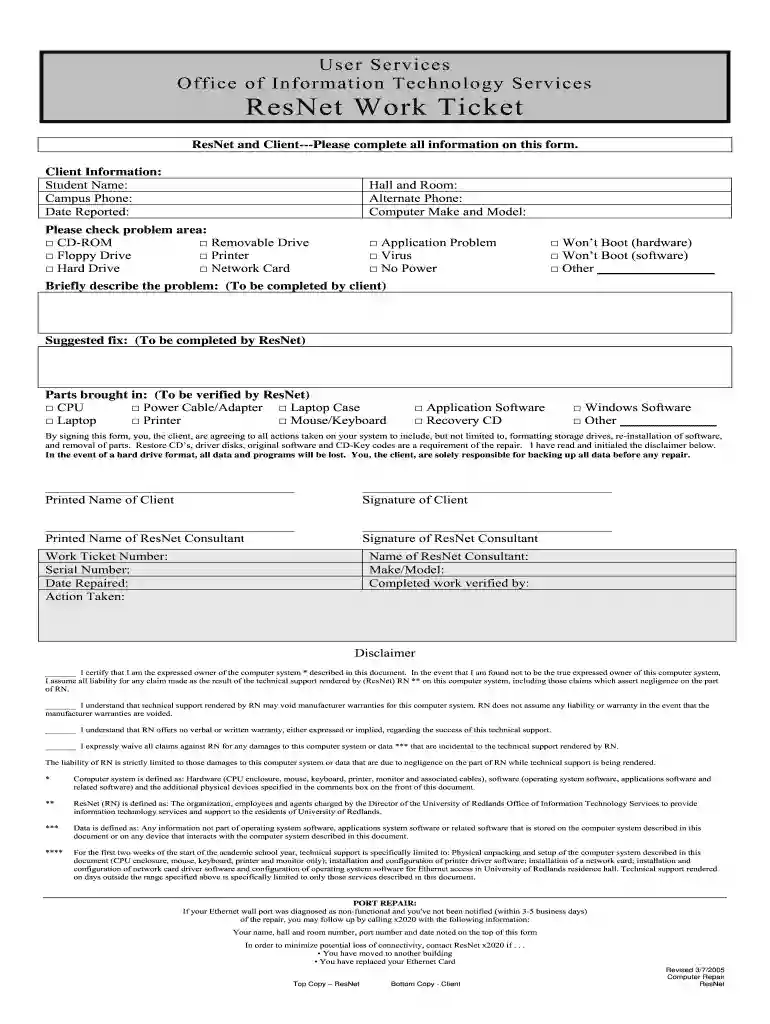
Overview of the Computer Diagnostic Report Template
A computer diagnostic report template serves as a critical tool for IT professionals, computer technicians, and service departments to document issues related to computer performance and functionality. This template organizes information systematically, ensuring clarity and precision when diagnosing problems.
Key Components of the Report Template
A comprehensive computer diagnostic report template generally includes several essential components that support detailed documentation:
- Client Information: This section collects vital client details, such as name, contact information, and company affiliation, ensuring easy communication.
- Device Specifications: Listing the make, model, and specifications of the computer helps in assessing compatibility and potential issues related to hardware.
- Problem Description: A detailed description of the symptoms observed should be recorded to guide the diagnosis process effectively. Information such as error messages, performance lags, or specific malfunctions is crucial.
- Diagnostic Tests Performed: This segment outlines the diagnostic procedures conducted, such as hardware checks, software scans, or connectivity tests. Each test should be documented clearly for transparency.
- Findings and Analysis: This portion presents the results of the diagnostic tests, detailing any identified issues, whether they point to hardware failures, software conflicts, or user errors.
- Recommendations for Resolution: Based on the findings, the technician should propose actionable solutions or next steps, such as repairs, software updates, or additional diagnostics.
- Client Agreement Section: This part captures client consent for the recommended actions, aligning expectations between the technician and the client.
Detailed Steps in Completing the Diagnostic Report
To ensure a thorough and effective diagnostic report, professionals should follow a structured approach:
- Gather Client and Device Information: Begin by filling in the client’s name, phone number, and a brief overview of the device in question.
- Document Problem Symptoms: Ask the client to describe the issues they are experiencing, ensuring to note any specific error codes or behaviors.
- Conduct Diagnostic Tests: Perform relevant tests based on the symptom description. Examples include running system diagnostics, checking hardware connections, or reviewing system logs.
- Record Findings: As tests are completed, document the results meticulously. Make notes on any failures, abnormal behaviors, or indications of wear and tear.
- Create Recommendations: After analyzing the findings, prepare tailored recommendations for repair or maintenance. Ensure these recommendations are understandable and actionable.
- Obtain Client Consent: Provide a section for the client to sign, indicating agreement to the proposed steps.
Practical Example of a Computer Diagnostic Report
Here is an illustrative example of a computer diagnostic report template completed for a fictional device:
- Client Name: John Doe
- Contact Information: john.doe@email.com
- Device Make and Model: Dell XPS 15
- Problem: Frequent system crashes during startup
- Diagnostic Tests Performed:
- RAM test
- System file check
- Findings:
- RAM test indicates 1 faulty stick
- System file check returns multiple corrupted files
- Recommendations:
- Replace faulty RAM
- Repair corrupted system files using Windows Recovery
- Client Agreement: Signature line for client approval
Importance of Using a Diagnostic Report Template
Implementing a standardized computer diagnostic report template comes with several advantages:
- Consistency: Utilizing a template ensures uniformity in documentation across multiple cases, which supports better tracking and trending of issues.
- Efficiency: A well-structured template saves time, enabling technicians to quickly fill out necessary details without having to create a report from scratch each time.
- Enhanced Communication: Clear documentation aids in conveying complex issues and proposed solutions to clients, thereby fostering transparency and trust between service providers and clients.
Variants of the Diagnostic Report Template
There are several variations of diagnostic report templates tailored to specific aspects of computer maintenance and repair:
- Laptop Diagnostic Report Template: Specifically designed for portable computers to cover unique issues related to mobility and battery performance.
- Computer Repair Report Template: Focuses on the tasks completed during a repair session, detailing the work performed and parts replaced.
- Computer Maintenance Report Sample: This template emphasizes routine maintenance checks, including system updates, hardware inspections, and performance assessments.
By leveraging a diagnostic report template, IT professionals guarantee a reliable method for diagnosing issues and improving service delivery. The clarity and structure provided by such templates enhance both efficiency in operations and satisfaction among clients.