Type text, add images, blackout confidential details, add comments, highlights and more.
02. Sign it in a few clicks
Draw your signature, type it, upload its image, or use your mobile device as a signature pad.
03. Share your form with others
Send it via email, link, or fax. You can also download it, export it or print it out.
How to use or fill out fire flow test request form boston with our platform
Ease of Setup
DocHub User Ratings on G2
Ease of Use
DocHub User Ratings on G2
Click ‘Get Form’ to open the fire flow test request form in the editor.
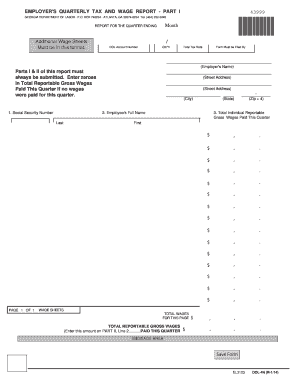
Begin with PART I: GENERAL SITE INFORMATION. Fill in your name, address, city, state, and extended zip code. Provide details about the project name and location where the fire flow test will be conducted.
Next, complete PART II: REQUEST FOR FIRE FLOW INFORMATION. Indicate any hydrants you wish to inquire about by referencing the attached GIS maps.
Proceed to PART III: REQUEST FOR HYDRANT FLOW TEST. Include a narrative letter describing your request and specify which pressure systems you want tested. Remember to attach a BWSC GIS map identifying the hydrants.
Finally, ensure that your check for $250 is included if you are requesting a hydrant flow test. Submit the completed form via mail or hand delivery as instructed.
Start using our platform today for free to streamline your fire flow test request process!
Fill out fire flow test request form boston online It's free
See more fire flow test request form boston versions
We've got more versions of the fire flow test request form boston form. Select the right fire flow test request form boston version from the list and start editing it straight away!
Calibrating Distribution System Models with Fire-Flow Tests
An alternative approach for conducting a fire-flow test was developed as part of an ongoing study at the US Marine Corps Base Camp. Lejeune, N.C. The enhancedRead more
Technical Protocol for Evaluating Natural Attenuation of
Before natural attenuation can be used in the remedy for contamination of ground water by chlorinated solvents, additional information is required on the three-Read more
Allow 2-3 days for review (5 days from request to witness test for smoke control). The following information must be submitted directly to the. Boston FireRead more
Cookie consent notice
This site uses cookies to enhance site navigation and personalize your experience.
By using this site you agree to our use of cookies as described in our Privacy Notice.
You can modify your selections by visiting our Cookie and Advertising Notice.