

Hospitalization risk assessment form 2026

Get Form
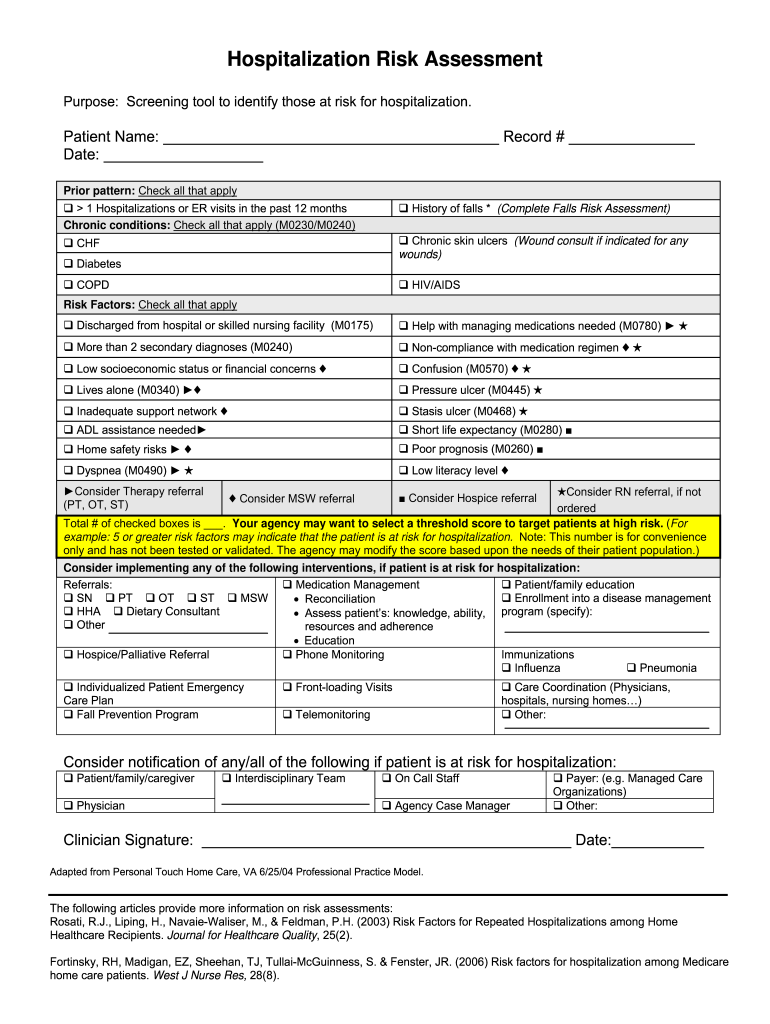
filled risk assessment form Preview on Page 1

Here's how it works

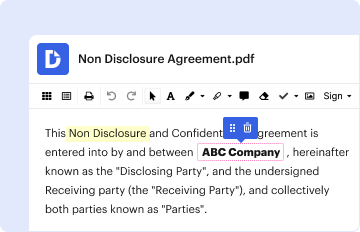
01. Edit your filled risk assessment form online
Type text, add images, blackout confidential details, add comments, highlights and more.
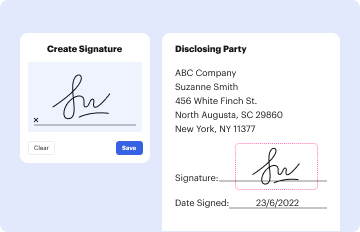
02. Sign it in a few clicks
Draw your signature, type it, upload its image, or use your mobile device as a signature pad.
03. Share your form with others
Send health risk assessment medicare via email, link, or fax. You can also download it, export it or print it out.

How to use or fill out hospitalization risk assessment form with our platform

Form edit decoration
9.5
Ease of Setup
DocHub User Ratings on G2
9.0
Ease of Use
DocHub User Ratings on G2
  1. Click ‘Get Form’ to open the hospitalization risk assessment form in the editor.
  2. Begin by entering the patient’s name and record number at the top of the form. Ensure accuracy as this information is crucial for tracking.
  3. Fill in the date of assessment. This helps in maintaining a timeline for follow-ups and evaluations.
  4. In the 'Prior pattern' section, check all applicable boxes regarding hospitalizations or ER visits within the past year. This provides insight into the patient's recent health history.
  5. Move to 'Chronic conditions' and select any relevant conditions from the list provided. If there are falls, complete the Falls Risk Assessment as indicated.
  6. Next, assess 'Risk Factors' by checking all that apply. This section identifies potential risks that may lead to hospitalization.
  7. Calculate the total number of checked boxes at the end of this section. Use this score to determine if further interventions are necessary based on your agency's guidelines.
  8. Finally, ensure that a clinician signature is added along with the date at the bottom of the form to validate it.

Start using our platform today for free to streamline your document editing and form completion!

be ready to get more

Complete this form in 5 minutes or less

Get form

Got questions?

We have answers to the most popular questions from our customers. If you can't find an answer to your question, please contact us.
Contact us
Individual risks for making a cup of tea A young person with learning disabilities is vulnerable to the risk of scalding but will benefit from being able to make their own cup of tea. Assessment identifies that the size, weight and volume of water in a standard kettle puts them at risk of serious harm.
The Health and Safety Executives Five steps to risk assessment. Step 1: Identify the hazards. Step 2: Decide who might be harmed and how. Step 3: Evaluate the risks and decide on precautions. Step 4: Record your findings and implement them. Step 5: Review your risk assessment and update if. necessary.
This requires the hospital to identify potential dangers and faults in all their systems and have on hand a written policy to handle equipment maintenance and failures. This plan is Risk Assessment.
Risk-based assessment assigns a value to each asset by their use and their potential to be harmful to the patients or staff. For example, an oxygen outlet in an emergency room would have the highest urgency, while the outlet in the storeroom would have the lowest priority.
Step 1: Identify the hazards/risky activities; Step 2: Decide who might be harmed and how; Step 3: Evaluate the risks and decide on precautions; Step 4: Record your findings in a Risk Assessment and management plan, and implement them; Step 5: Review your assessment and update if necessary.

Security and compliance

At DocHub, your data security is our priority. We follow HIPAA, SOC2, GDPR, and other standards, so you can work on your documents with confidence.

Learn more
ccpa2
pci-dss
gdpr-compliance
hipaa
soc-compliance
be ready to get more

Complete this form in 5 minutes or less

Get form