
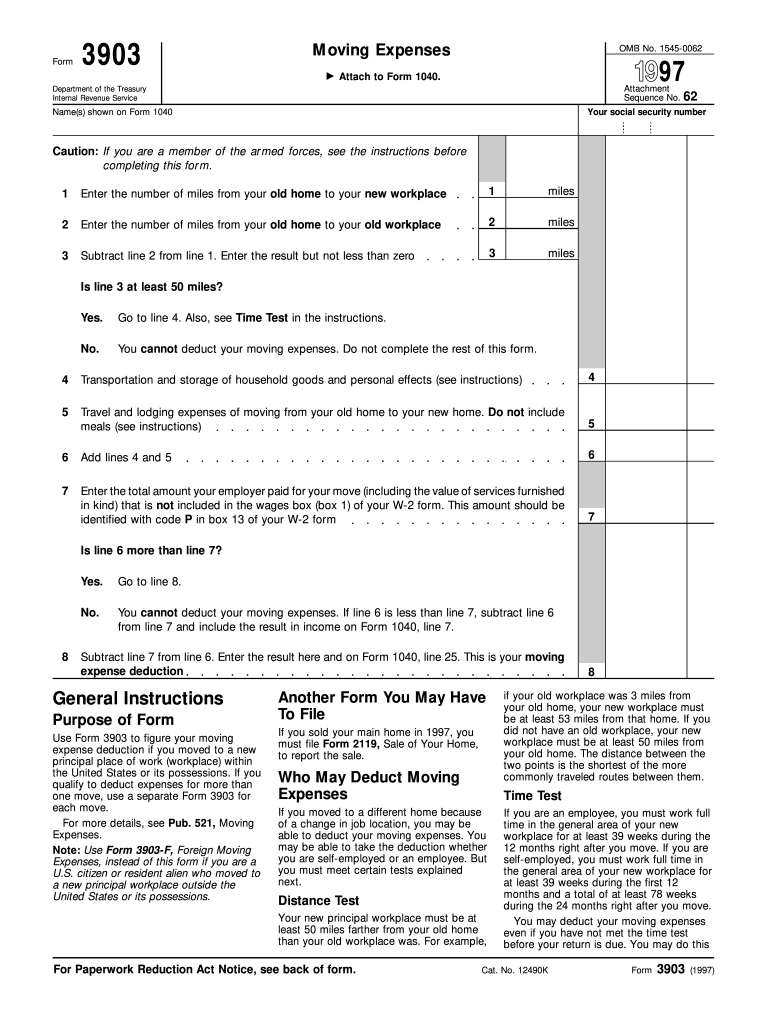







Definition and Meaning
The 2011 Tax Return for Elizabeth Warren refers to the federal and state tax documents filed by U.S. Senator Elizabeth Warren for the tax year 2011. These documents provide a comprehensive snapshot of her financial activities during that year, including income, deductions, and any taxes owed or refunded. Public disclosure of such tax returns often occurs for transparency, especially for public figures and candidates running for office.
How to Use the 2011 Tax Return for Elizabeth Warren
Tax returns like the 2011 Tax Return for Elizabeth Warren are primarily used for financial disclosure. They can be analyzed to understand her financial standing, income sources, and how she complied with tax laws. Analysts or journalists might use these documents to assess financial transparency or investigate any discrepancies. For ordinary taxpayers, these documents can serve as an example of how complex income and deductions are reported, providing insights into effective tax filing practices.
Steps to Complete the 2011 Tax Return
Completing the 2011 Tax Return involves several meticulous steps:
-
Gather Necessary Documents:
- Collect W-2 forms for wages earned.
- Obtain 1099 forms for any freelance or interest/dividends income.
- Gather records of deductible expenses like mortgage interest and charitable contributions.
-
Calculate Gross Income:
- Combine all income sources, including salaries, business income, and investment earnings.
-
Determine Deductions:
- Choose between standard or itemized deductions, based on which is more beneficial.
- Consider deductions for educational expenses or medical costs if applicable.
-
Apply Credits:
- Evaluate eligibility for tax credits such as the Earned Income Tax Credit (EITC) or Child Tax Credit.
-
Calculate Tax Liability:
- Use IRS tables to calculate the tax owed based on adjusted gross income (AGI) after deductions and credits.
-
File the Return:
- Submit electronically through software like TurboTax or file paper forms by mailing them to the IRS.
Key Elements of the 2011 Tax Return
Important components of the 2011 Tax Return include:
- Income Details: All reported sources of income, including earned and passive income.
- Deductions and Credits: Itemized or standard deductions, and any applicable tax credits.
- Filing Status: Determines the applicable tax rates and standard deduction amounts.
- Tax Payments: Withheld taxes, estimated payments, and any balance due or refunds.
Required Documents
When preparing to file the 2011 Tax Return like Elizabeth Warren's, several documents are essential:
- W-2s: For wage and salary information.
- 1099 Forms: For independent contractors or freelancers receiving non-employee compensation.
- Bank Statements: Supporting documentation for interest earned and potential deductions.
- Receipts: To substantiate claims for itemized deductions such as medical expenses or charitable donations.
Legal Use and Compliance
Ensuring compliance with IRS regulations is a critical aspect of filing the 2011 Tax Return. The key here is accuracy and timeliness, to avoid penalties. Audits can occur if discrepancies are detected, underlining the need for precise and truthful disclosures.
Penalties for Non-Compliance
Failure to file the 2011 Tax Return or incorrect filing can result in penalties. These include late filing fees, interest on unpaid taxes, and fines for underreporting income. Ensuring adherence to IRS guidelines is crucial to avoid such consequences.
Taxpayer Scenarios: Self-Employed and Students
Different taxpayer scenarios can affect how the 2011 Tax Return is filed:
- Self-Employed Individuals: Must report business income and expenses, paying self-employment tax in addition to regular income tax.
- Students: Often eligible for education credits or dependent status, impacting deductions and overall tax liability.


Software Compatibility
Filing the 2011 Tax Return can be facilitated by software such as TurboTax or QuickBooks. These platforms provide step-by-step guidance, error checking, and ensure that e-filing is smooth and compliant with IRS electronic submission standards. Digital solutions offer quick refunds and efficient document submissions but require accurate input of financial data.
State-by-State Differences
While federal requirements are consistent, state tax laws vary. It's important to understand state-specific deductions, credits, and tax rates that apply when filing. For Elizabeth Warren, this means paying attention to Massachusetts state tax laws and ensuring both federal and state returns are congruent. This detail is critical for accuracy and avoiding potential audit triggers.




