







Definition & Meaning
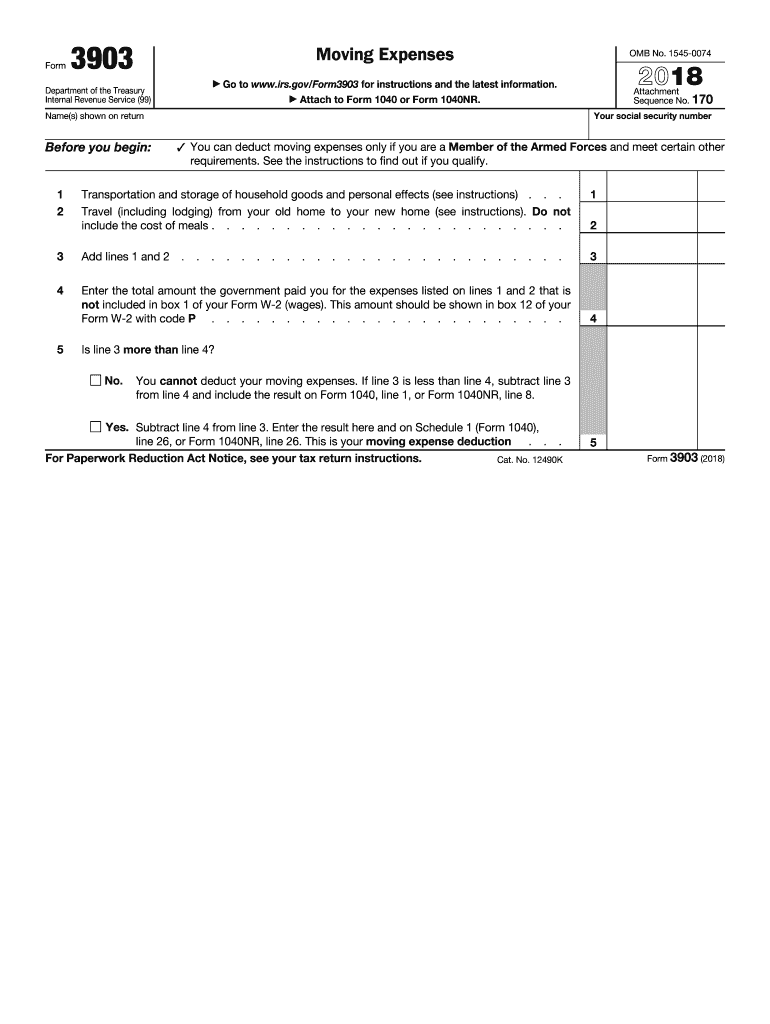
Form 3903 is utilized by members of the Armed Forces to claim deductions for moving expenses on their tax returns. This form specifically applies to situations where the taxpayer has been relocated due to a military order. The expenses account for those costs not reimbursed by the government, making it necessary for eligible soldiers to report and deduct these on their tax returns for accurate taxation purposes in 2015.
Key Elements of the 2015 Schedule 3903
The primary elements to look for on Form 3903 include transportation and storage costs for household goods and travel expenses related to the move. When filling out the form, members must clearly list these expenses incurred during their permanent change of station. It's important to note that the form will guide you through calculating the deduction by taking into consideration any government reimbursements received.
How to Obtain the 2015 Schedule 3903
Form 3903 can be generally found on the IRS website, allowing easy access for taxpayers to download and print. It may also be obtained through tax software services that support IRS forms. Additionally, military households can often receive assistance from their base’s legal or financial office, where printed copies may be available upon request.
Form Submission Methods: Online, Mail, or In-Person
Once the form is completed, it can be submitted electronically via e-filing services, which is a popular option for many due to its efficiency. Alternatively, the form can be mailed to the IRS following traditional submission methods. Tax assistance centers affiliated with military installations also accept in-person submissions where experts can help ensure accuracy and completeness before filing.
Steps to Complete the 2015 Schedule 3903
Completing Form 3903 involves a series of specific steps to ensure all eligible expenses are accounted for:
- Gather Required Documentation: Include receipts, travel logs, and any government reimbursement statements.
- Complete the Expense Section: Precisely detail qualifying expenses related to the relocation.
- Calculate Deductions: Adjust the total expenses by subtracting any government-provided reimbursements.
- Fill Out Personal Information: Accurately enter taxpayer details to avoid processing delays.
- Review and Submit: Ensure all information is correct before electronically submitting or mailing the form to the IRS.
Required Documents
To fill out Form 3903 comprehensively, it's crucial to have all relevant documents on hand. This includes travel expense receipts, contracts with moving service companies, and proof of government reimbursements. These documents serve as the basis for all figures included on the form, simplifying the auditing process if needed.
Filing Deadlines & Important Dates
The deadline to submit Form 3903 typically aligns with the general tax filing deadline, which is April 15 for most filing years. Active-duty military members stationed overseas might have different deadlines, allowing automatic extensions. It's advisable to verify specific filing deadlines pertinent to military service to avoid any penalties for late submission.
Eligibility Criteria
Eligibility for using Form 3903 is strictly confined to Armed Forces members required to relocate as part of their official duties. The move must meet the distance requirements set by the IRS, typically necessitating a move that significantly impacts the commute to the new base. This form applies specifically to tax returns from 2015, lessening ambiguity in compliance for expenses incurred during that tax year.


IRS Guidelines
Guidelines from the IRS provide clear instructions regarding which expenses qualify for deduction. Generally, costs related to transporting household goods, incurred travel during the move, and temporary lodging during the relocation process are included. It’s paramount that these guidelines be followed meticulously to ensure that the deductions claimed are accurate and verifiable in case of an audit.
Taxpayer Scenarios: Self-Employed, Retired, Students
While Form 3903 primarily serves active military personnel, understanding various taxpayer scenarios enhances comprehension. For example, self-employed military reservists with significant travel may claim eligible expenses during duty-related moves. Conversely, income criteria might exclude retirees and students unless aligned with military-affiliated employment, underlining the form’s distinct applicability within individualized financial contexts.

Legal Use of the 2015 Schedule 3903
The correct legal use of Form 3903 involves adhering strictly to IRS provisions governing deductible expenses related to military relocations. Misrepresenting non-qualifying expenses or inaccurately subtracting reimbursements could lead to disallowance of deductions and potential penalties. As such, it remains crucial for all personnel to submit documents truthfully, maintaining the integrity of legal tax practices.




