






Understanding the Texas A&M GI Panel
The Texas A&M GI panel is a comprehensive diagnostic tool used primarily for evaluating gastrointestinal health in animals, particularly dogs. The panel includes a series of tests that aim to identify various gastrointestinal disorders, helping veterinarians provide accurate diagnoses and appropriate treatment plans. Understanding the significance of this panel can be crucial for pet owners and veterinary professionals alike in diagnosing potential health issues.
Key Elements of the Texas A&M GI Panel
The Texas A&M GI panel combines multiple tests into a single submission process, enhancing efficiency for both practitioners and clients. Some key components of this panel include:
-
Tests Offered:
- Fecal tests for parasites, which can provide insights into the digestive health of the animal.
- Serum tests to check for gastrointestinal diseases such as pancreatitis or colorectal disease.
- Additional assessments like blood work or imaging may be recommended based on initial panel results.
-
Interpretation of Results:
- Clear guidelines provided for interpreting results, which can assist in making quick decisions regarding treatment.
- Access to veterinary professionals who can guide pet owners through results and next steps.
How to Utilize the Texas A&M GI Panel Effectively
Utilizing the Texas A&M GI panel requires a structured approach to ensure accurate results and effective diagnosis. Here are the steps to accomplish this:
-
Consultation with a Veterinarian:
- Schedule an appointment with a qualified vet to discuss symptoms and potential testing.
- Determine which specific tests from the panel are relevant based on the dog's medical history.
-
Sample Collection:
- Follow the veterinarian’s instructions regarding any necessary fasting or dietary restrictions before sample collection.
- Proper collection techniques are vital to prevent contamination and ensure sample integrity.
-
Submission of Samples:
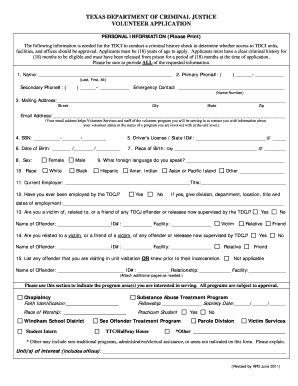
- Complete the Texas A&M GI panel submission form, ensuring all relevant fields are accurately filled out.
- Send samples to the Texas A&M veterinary lab promptly, utilizing appropriate packaging to maintain sample viability.
The Importance of Testing
Pet owners may wonder why the Texas A&M GI panel is essential. The panel serves several critical purposes:
-
Early Detection of Health Issues:
- Identifying gastrointestinal issues early can lead to more effective treatment options and improved prognosis for pets.
-
Guidance for Treatment Options:
- Result interpretation can lead to tailored treatment plans based on the specific gastrointestinal condition detected.
-
Preventative Health Care:
- Regular use of such panels can be part of a proactive veterinary healthcare strategy, potentially averting severe health developments.
Common Users of the Texas A&M GI Panel
The Texas A&M GI panel is typically utilized by a range of stakeholders involved in pet healthcare:
-
Veterinarians:
- Primary users who order the tests, interpret results, and make treatment recommendations.
-
Pet Owners:
- Owners seeking answers for their pet's health concerns often request GI panels to better understand their animal’s condition.
-
Research Institutions:
- Veterinary researchers may use aggregated data from GI panels to drive advancements in veterinary gastrointestinal diagnostics.


State-Specific Considerations for the Texas A&M GI Panel
While the Texas A&M GI panel is standardized, practitioners should be aware of state-specific regulations that may influence sample collection and submission:
-
Licensing Requirements for Veterinarians:
- Ensure compliance with Texas state regulations regarding who can collect samples and access lab results.
-
Handling and Transport Rules:
- Specific rules may govern the transport of biological samples across state lines, including documentation and packaging standards.
By understanding the Texas A&M GI panel's significance, components, and appropriate usage, veterinarians and pet owners can collaborate to enhance the health and well-being of pets through effective diagnostic processes.