
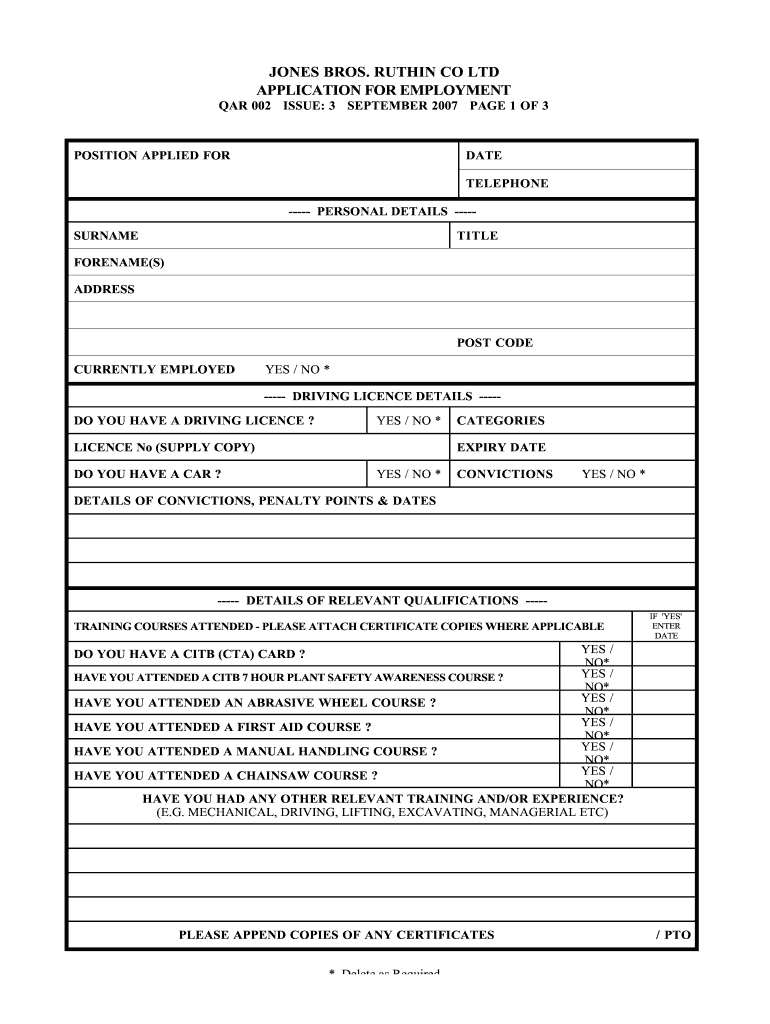







Definition & Meaning of the Application Form for PIP
The application form for Personal Independence Payment (PIP) is a critical document used in the UK to assess eligibility for financial support aimed at individuals with disabilities or long-term health conditions. It replaces the Disability Living Allowance (DLA) for those aged 16 to 64. The PIP form is structured to gather comprehensive information about an individual's daily living activities and mobility needs, which are essential for evaluating the level of support required. Understanding its purpose and implications is vital for applicants seeking to access benefits.
Key Concepts of the PIP Application Form
- Daily Living Component: Assesses how a disability affects daily activities, such as preparing food, managing medication, or washing.
- Mobility Component: Evaluates the individual's ability to move around, including planning and following journeys.
- Assessment Criteria: Determines the level of assistance required, influencing the payment amount and duration.
Steps to Complete the Application Form for PIP
Successfully completing the application form for PIP involves careful preparation and attention to detail. This process can seem daunting, but it can be streamlined with a step-by-step approach.
-
Gather Necessary Information:
- Collect personal details, including National Insurance number and contact information.
- Compile relevant medical evidence or letters from healthcare professionals that support your condition.
-
Understand the Assessment Criteria:
- Familiarize yourself with the descriptors used in the form that quantify your daily living and mobility needs.
- Each descriptor correlates to a score that will determine your eligibility for PIP benefits.
-
Complete the Form:
- Answer each question thoroughly and accurately, providing examples of how your condition affects daily activities.
- Use clear language and be honest about your limitations—overstating or understating can impact the assessment.
-
Review and Submit:
- Double-check all responses for completeness and accuracy.
- Submit the form according to the guidance provided, ensuring it is sent to the correct address or through the appropriate digital platform.
-
Prepare for the Assessment Interview:
- Be ready for a potential face-to-face assessment, where you may be asked to further explain your needs and any additional information gathered in the form.
Important Terms Related to the Application Form for PIP
Understanding key terminology associated with the PIP application form enhances comprehension and improves the likelihood of a successful application. Here are crucial terms to consider:
- Eligibility Criteria: Specific conditions that applicants must meet to qualify for PIP.
- Functional Assessment: The evaluation that determines how a disability affects an individual’s ability to perform daily tasks.
- Care Needs: The level of support required by an applicant to maintain independence and manage daily tasks.
- Financial Support: The monetary assistance provided through PIP to help mitigate living costs associated with disabilities.
Required Documents for the PIP Application Form
When preparing to submit the application form for PIP, specific documents are typically required to support your claims. These include:
- Medical Evidence: Documentation from healthcare providers detailing your condition and its impact on daily activities.
- Identification Proof: A copy of identification documents like a driver's license or passport.
- Bank Information: Details needed for the payment setup, including bank account and sort code.
- Personal Statement: A narrative explaining how your condition affects your daily life, which may be complemented by third-party testimonies.
Form Submission Methods for PIP
Applicants can choose from various submission methods for the PIP application form. Understanding these options ensures timely and accurate processing:
- Online Submission: Accessing the online form via the official service can facilitate quicker processing.
- By Mail: Completing a paper form and sending it to the designated address is another common method, especially for those without internet access.
- In-Person Assistance: Some applicants may opt to visit a local office for in-person help or to submit their forms.
By following these guidelines and understanding the framework surrounding the application form for PIP, potential applicants can better navigate the process and clarify their eligibility for benefits.




