Definition and Purpose of OPNAV Instruction
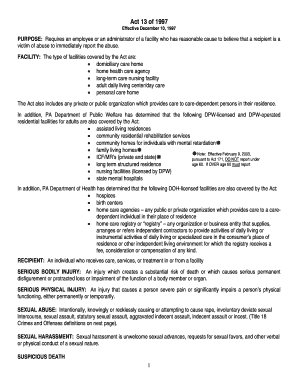
OPNAV Instruction represents operational guidance issued by the Chief of Naval Operations to address specific needs and policies within the Navy. The primary purpose of such documents, including OPNAV Instruction 6000.1C, is to establish clear operational standards that ensure the welfare of personnel and the effective functioning of Navy operations. This instruction outlines protocols for managing personnel issues, including medical guidelines and administrative procedures relevant to Navy personnel's family responsibilities.
Scope of OPNAV Instruction
- Applicability: Specifically focused on Navy personnel, addressing various domains such as health management, counseling, and workplace accommodations.
- Integration with Existing Policies: Aligns with broader naval policies to maintain consistency in family support services and personnel management across different Navy operations.
- Legal Compliance: Ensures adherence to federal regulations and guidelines impacting military families, reflecting the importance of compliance in military environments.
Key Provisions of OPNAV Instruction 6000.1C
OPNAV Instruction 6000.1C includes several key provisions that collectively aim to support pregnant personnel and new parents. Each of these provisions addresses critical aspects of family life within military contexts.
Medical Management and Support
- Healthcare Access: Emphasizes the provision of adequate healthcare services for servicewomen during pregnancy and after childbirth.
- Mental Health Services: Addresses the importance of mental health resources to support new parents transitioning into family life.
- Regular Check-ups: Mandates routine health assessments to monitor the well-being of expecting mothers and their newborns.
Assignment and Retention Policies
- Flexible Assignments: Facilitates modified duty assignments based on pregnancy status, ensuring that servicewomen can fulfill their military obligations without compromising their health or family needs.
- Retention Strategies: Outlines policies that promote retention of skilled personnel during and after pregnancy, recognizing their essential role within the Navy.
Administrative Procedures Pertaining to Pregnancy
The instruction includes a detailed outline of administrative procedures critical for managing pregnancy-related matters effectively.
Documentation Requirements
- Pregnancy Notification: Requires early notification to superiors regarding pregnancy to facilitate necessary adjustments to duties.
- Form Submission: Specifies required forms that must be submitted, including medical documentation and any requested duty modifications.
Compliance Monitoring
- Oversight Mechanisms: Establishes procedures for ensuring compliance with the provisions outlined in OPNAV Instruction, including regular audits and feedback channels.
- Training and Awareness: Identifies the need for training programs to educate personnel about their rights and responsibilities related to pregnancy and parenthood.
Benefits of Adhering to OPNAV Instruction 6000.1C
The implementation of OPNAV Instruction 6000.1C yields several benefits for both personnel and the Navy at large.
Enhanced Employee Wellbeing
- Supportive Environment: Fosters a culture of support for expectant parents, promoting mental and physical well-being during critical transition periods.
- Work-Life Balance: Encourages a healthy work-life balance, allowing personnel to manage family responsibilities alongside their military commitments.
Operational Readiness
- Maintained Workforce: Encourages retention of skilled service members through supportive policies that address family needs, hence sustaining operational readiness.
- Effective Training of Families: Prepares families for the unique challenges of military life, enhancing cohesion within the service community.
Conclusion: Importance of OPNAV Instruction
The OPNAV Instruction 6000.1C serves as a vital framework ensuring that Navy personnel receive adequate support throughout their pregnancy and parenting journey. By adhering to these guidelines, the Navy not only fulfills its commitment to the welfare of its personnel but also enhances overall operational effectiveness and morale within the ranks.