






Understanding the PAR-Q Template Word Document
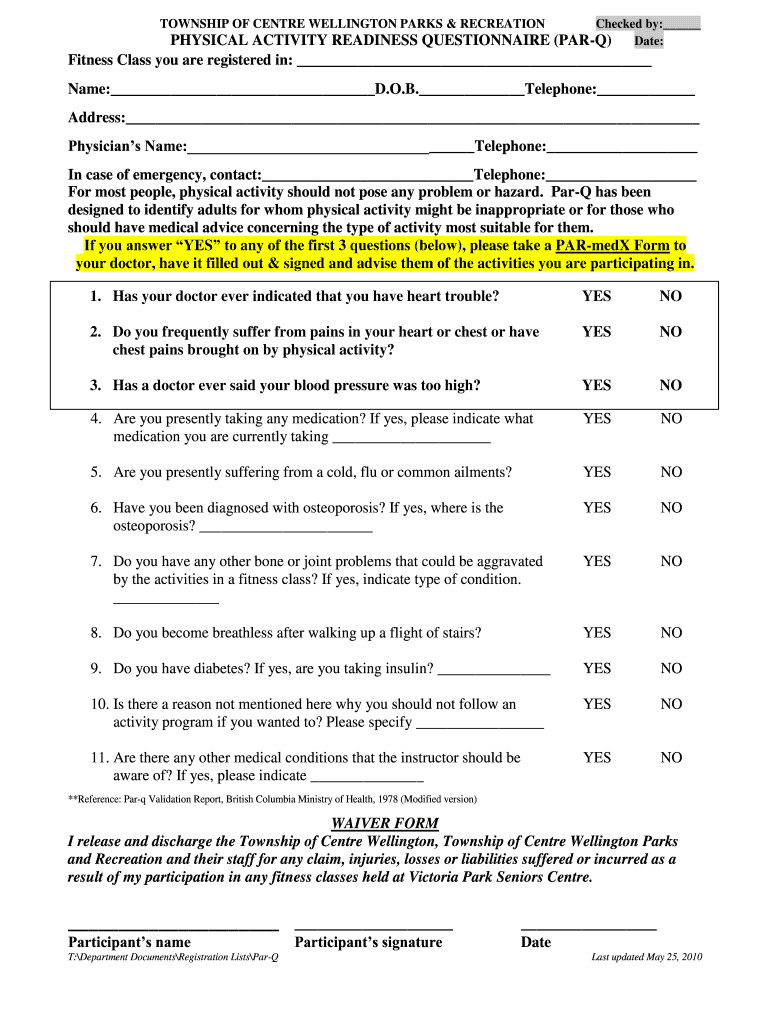
The Physical Activity Readiness Questionnaire (PAR-Q) template serves as a crucial tool for individuals looking to assess their readiness for physical activities. This Word document is designed to help participants in fitness classes or programs identify any health concerns they may have that could require medical advice before engaging in physical activity. By answering a series of structured questions, users provide essential information regarding their heart health, medications, and existing medical conditions, which can assist fitness professionals in making informed decisions about participant safety.
Important Elements of the PAR-Q Template
Understanding the key components of the PAR-Q template is essential for both users and fitness facilitators. The main elements of the template typically include:
- Personal Information Section: Collects basic details such as name, contact information, and emergency contact.
- Health History Questions: Inquiries focused on cardiovascular health, including questions about heart conditions, chest pain, and surgeries.
- Medication Information: A section for participants to list any medications they are currently taking, as these can impact physical activity levels.
- Medical Conditions: Questions addressing known conditions such as diabetes, asthma, or previous injuries that may affect the ability to exercise.
- Liability Waiver: A statement releasing the organization from responsibilities related to participation in fitness activities, emphasizing the importance of ensuring participants understand their health status.
How to Properly Use the PAR-Q Template Word Document
Utilizing the PAR-Q template effectively requires a careful approach. Here are steps to guide users in completing the questionnaire:
- Download the Template: Obtain the PAR-Q template Word document from a reliable source or your organization.
- Fill Out Personal Information: Begin by entering your contact details and emergency contacts accurately.
- Answer Health Questions: Respond to all health history questions honestly, as this information is critical for your safety.
- Review and Assess: After answering the questions, review your responses to ensure accuracy and completeness.
- Sign and Date: Complete the document by signing and dating it, acknowledging the information provided is correct.
Obtaining the PAR-Q Template Document
The PAR-Q template document can be accessed through various platforms. Users can find free versions commonly available in Word format on health and fitness websites, government health resources, or directly from fitness facilities. For the most current version, check with reputable organizations or relevant public health departments.
Typical Users of the PAR-Q Template Word Document
The PAR-Q template is primarily used by the following groups:
- Fitness Professionals: Gyms, trainers, and fitness instructors use the form to screen clients before introducing them to physical activities.
- Participants in Exercise Programs: Individuals attending group classes, personal training sessions, or physical activity programs are commonly required to complete the PAR-Q before participation.
- Health Educators: Those involved in developing health and fitness programs may utilize the form to ensure proper health assessments are made.
Legal Considerations for the PAR-Q Template Word Document
Legal implications related to the PAR-Q template include:
- Liability Protection: The inclusion of a liability waiver helps protect organizations from legal claims if an injury occurs during fitness activities, emphasizing the need for individuals to disclose relevant health information.
- Compliance with Guidelines: Using the PAR-Q aligns with fitness industry standards for health assessments, which can be crucial for insurance and legal compliance.
Maintaining the integrity and thoroughness of the PAR-Q template is vital, as it impacts both participant safety and the legal responsibilities of fitness providers. By using this document, all parties can ensure informed decision-making and safe participation in physical activities.