

Za suspectus 2026

Get Form
suspectus de fuga Preview on Page 1

Here's how it works

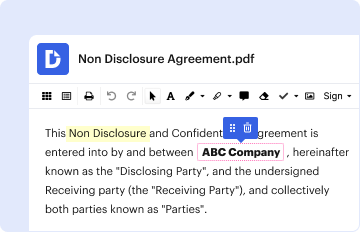
01. Edit your suspectus de fuga online
Type text, add images, blackout confidential details, add comments, highlights and more.
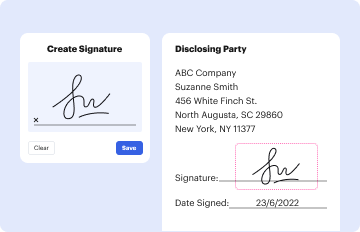
02. Sign it in a few clicks
Draw your signature, type it, upload its image, or use your mobile device as a signature pad.
03. Share your form with others
Send it via email, link, or fax. You can also download it, export it or print it out.

How to use or fill out za suspectus with our platform

Form edit decoration
9.5
Ease of Setup
DocHub User Ratings on G2
9.0
Ease of Use
DocHub User Ratings on G2
  1. Click ‘Get Form’ to open the za suspectus in the editor.
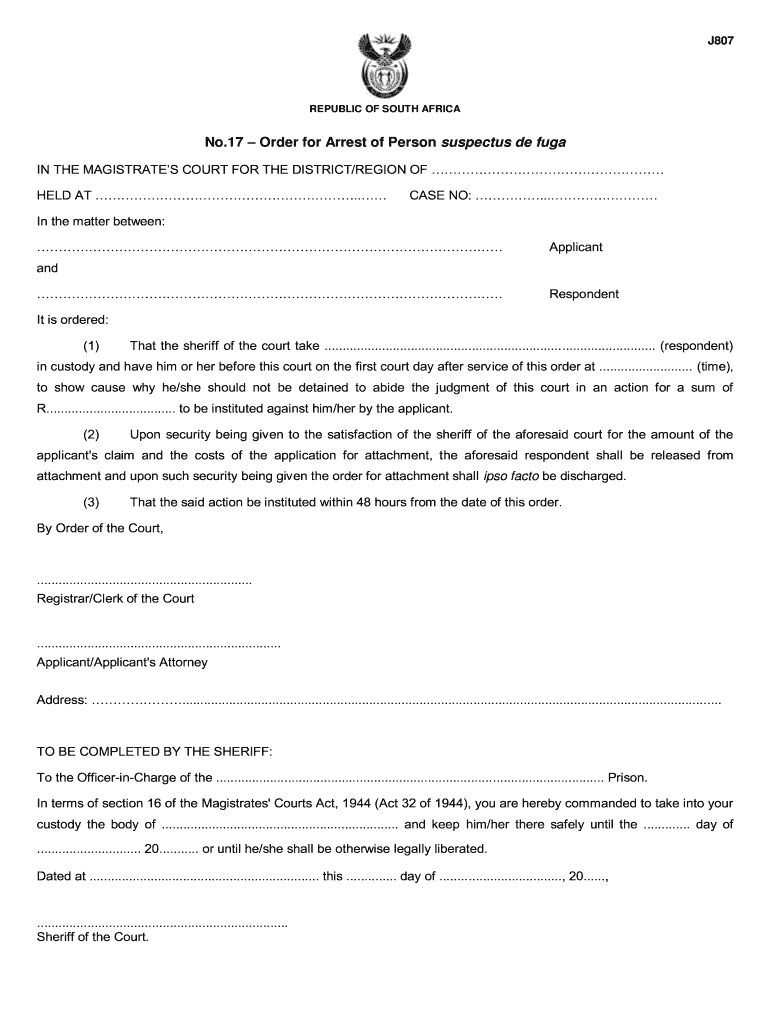
  2. Begin by filling in the 'Applicant' section with your name and details. Ensure accuracy as this information is crucial for the court proceedings.
  3. Next, complete the 'Respondent' section with the name of the individual being arrested. Double-check spelling to avoid any legal complications.
  4. In the order section, specify the time and date when the respondent must appear in court. This is essential for compliance with court orders.
  5. Fill in the amount related to the applicant's claim in Rands (R). This figure should reflect what you are seeking from the respondent.
  6. Complete any additional sections required by your jurisdiction, ensuring all fields are filled accurately before finalizing.

Start using our platform today to streamline your document editing and form completion process for free!

be ready to get more

Complete this form in 5 minutes or less

Get form

Got questions?

We have answers to the most popular questions from our customers. If you can't find an answer to your question, please contact us.
Contact us

Approving paperwork on a mobile device is fast, straightforward, and doesn’t require software installation if you have an account with DocHub. Sign in from any browser, complete your empty fields with your data, and click on Sign → Create your signature. You can draw your electronic signature just as you usually do on paper, add its picture to your za suspectus, or type in your name and stylize its look. Whatever option you select, your documentation will be valid.

As a comprehensive document editing platform, DocHub is accessible on mobile devices. Open DocHub in your choice of mobile internet browser and employ our intelligent mobile-friendly toolset to fill out your za suspectus.

The purpose of an arrest of a debtor suspectus tanquam de fuga is for the protection of the creditor, by the apprehension and detention of the debtor who is about to flee in order to avoid paying a debt.
Section 30(1) of the Magistrates Courts Act, 32 of 1944: (1) Subject to the limits of jurisdiction prescribed by this Act, the court may grant against persons and things orders for arrest tanquam suspectus de fuga, attachments, interdicts and mandamenten van spolie.
Short Form Notice of Motion It is a more concise document that sets out the relief sought and the legal basis for it in a more summarized form.

Security and compliance

At DocHub, your data security is our priority. We follow HIPAA, SOC2, GDPR, and other standards, so you can work on your documents with confidence.

Learn more
ccpa2
pci-dss
gdpr-compliance
hipaa
soc-compliance
be ready to get more

Complete this form in 5 minutes or less

Get form

People also ask

(5) The Constitutional Court makes the final decision whether an Act of Parliament, a provincial Act or conduct of the President is constitutional, and must confirm any order of invalidity made by the Supreme Court of Appeal, the High Court of South Africa, or a court of similar status, before that order has any force.
The SCA has jurisdiction to hear and determine an appeal against any decision of the High Court. Decisions of the Court are binding on all lower courts, and the decisions of the High Court are binding on Magistrates Courts within the respective areas of jurisdiction of the relevant Division of the High Court.
[13] Arrest tanquam suspectus de fuga is ordered when a creditor on reasonable grounds suspects that a debtor, whose liability has not yet been acknowledged or proven in a court of law, is about to flee the country in order to prevent the adjudication of the dispute in this country.

Related links