



Overview of the Pet Adoption Application Template
A pet adoption application template is a crucial tool designed to streamline the process of welcoming a new pet into a loving home. This form serves to collect key information from potential adopters, ensuring a proper match between the pet's needs and the adopter's lifestyle. By leveraging this template, both animal shelters and prospective pet owners can facilitate a thorough and thoughtful adoption process. Below, we will explore the essential components and considerations associated with a pet adoption application template.
Essential Sections of the Pet Adoption Application
Personal and Household Information
This section gathers vital demographic data about the prospective adopter, providing insight into their living situation and preparedness for pet ownership.
- Contact Details: Include full name, phone number, and email address.
- Home Environment: Questions about the type of residence (house, apartment) and ownership status (rent, own) help assess suitability for pet placement.
- Household Members: Information about everyone living in the home, including ages and any allergies to pets.
Having a comprehensive view of the adopter's environment is essential for animal welfare agencies, ensuring a harmonious match between the pet and its new home.
Current Pets and Veterinary Care
Understanding the adopter's existing pets is crucial in anticipating potential challenges and ensuring a safe transition for the new animal.
- Existing Pets: Sections to detail current pets, including species, breed, and age.
- Veterinary Care: Questions about past veterinary care highlight the adopter's commitment to animal health and responsible pet ownership.
- Vaccination History: Documentation requirements for existing pets can reassure shelters that the household is capable of providing proper healthcare.
This section aims to ensure that current pets and the new addition will coexist peacefully, thereby reducing the risk of return due to incompatibility.
Living Conditions and Care Responsibilities
This part assesses the adopter's ability to care for their new pet while highlighting their preparedness for pet ownership.
- Living Space: Questions about the size and layout of the living space provide insight into whether it can accommodate the needs of specific breeds or sizes.
- Pet Care Responsibilities: Sections dedicated to the daily routines the new pet can expect, including feeding, exercise, and socialization.
- Training Philosophy: Understanding whether the adopter plans to invest in training or obedience classes establishes expectations for behavior management.
By evaluating living conditions and responsibilities, this section fosters informed decisions that benefit the pet's welfare.
Personal References
Personal references act as an additional layer of verification regarding the applicant's readiness to adopt.
- Reference Contact Information: Details on two or three individuals who can vouch for the adopter's suitability.
- Relationship to References: Asking how long the reference has known the adopter can provide context to their assessment.
- Questionnaire for References: Potential questions could include how the adopter handles stress with animals or their routine for pet care.
References enable adoption agencies to gather distinct perspectives on the applicant's capability and commitment.
Signature and Acknowledgment
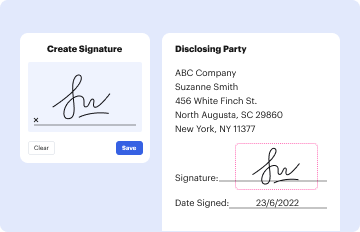
A signature line confirms that all information provided is accurate and that the applicant agrees to the adoption agency's terms.
- Acknowledgment Statement: A summary statement regarding the truthfulness of the information, highlighting legal implications if false information is provided.
- Date of Submission: Capturing the date helps in record-keeping and monitoring application timelines.
- Digital Signature Option: Including an option for electronic signatures enhances usability in a digital-centric world.
This segment solidifies the applicant's commitment and provides a legal framework for the adoption process.
Conclusion
Utilizing a well-structured pet adoption application template not only simplifies the administrative aspects for both adopters and shelters but also enhances the likelihood of a successful placement. Each section captures essential information that forms a foundation for creating lasting pet-adopter relationships. Proper completion of this form ensures that both parties are aligned on expectations and responsibilities, ultimately leading to happier homes for pets in need.