Definition & Meaning of NCNDA
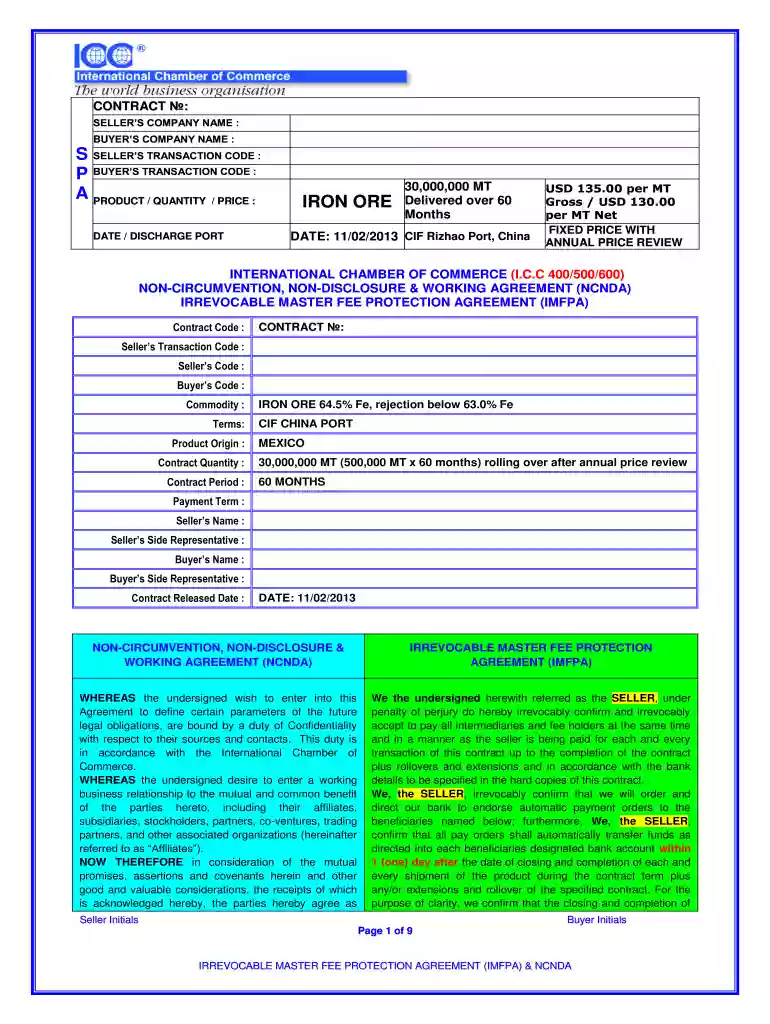
A Non-Circumvention and Non-Disclosure Agreement (NCNDA) is a legal document that protects sensitive information shared between two or more parties, typically in a business context. This agreement ensures that parties do not circumvent each other in business dealings and also mandates the confidentiality of shared information. The NCNDA is crucial in transactions involving sensitive data, trade secrets, or proprietary information, ensuring that all parties understand their responsibilities regarding confidentiality and non-circumvention.
Key Aspects of NCNDA
- Non-Circumvention Clause: This prohibits parties from bypassing each other to achieve direct dealings that would undermine their mutual interests.
- Non-Disclosure Clause: This ensures that confidential information shared remains private and is not disclosed to unauthorized third parties.
- Legal Enforceability: Once signed, the NCNDA becomes a legally binding contract, enforceable under U.S. law.
How to Use the NCNDA PDF
Using the NCNDA PDF effectively involves understanding its structure and filling it out correctly. The PDF encompasses sections that should be tailored based on the specific transaction and parties involved. Here’s a detailed process to follow:
- Review the Document: Before filling out the NCNDA PDF, ensure you understand its terms. Familiarize yourself with what constitutes confidential information and the obligations of each party.
- Personalize the Template: Input the names and contact details of all parties involved. Clearly define the scope of the confidentiality agreement and the non-circumvention obligations.
- Finalize Terms: Review and negotiate any specific terms that might require adjustments based on the nature of the business relationship. Ensure all the parties agree on definitions and responsibilities.
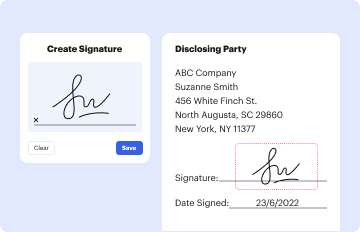
- Sign and Date the Agreement: Once the document is complete, all parties should sign and date it. This can be done electronically via platforms like DocHub or by printing and signing the hard copy.
- Distribute Copies: After signing, distribute copies of the NCNDA PDF to all involved parties for their records.
Steps to Complete the NCNDA PDF
Completing an NCNDA PDF involves several meticulous steps to ensure that all relevant aspects are addressed. Following a sequential approach will help maintain clarity and legality.
- Download the NCNDA PDF Template: Start by obtaining a reliable NCNDA template that suits your specific needs.
- Fill in the Parties' Information: Provide accurate names, addresses, and contact information for all parties involved in the agreement.
- Define Confidential Information: Clearly outline what information is deemed confidential. This could encompass business plans, technical data, or financial information.
- Set Timeframes for Confidentiality: Specify how long the confidentiality obligations apply. This could be for a fixed duration or until the information is made public.
- Draft Signatures Section: Ensure there is a section for signatures, including printed names and dates for all parties. This validates the agreement.
- Review and Finalize: Rigorously review the filled-out document for any errors or omissions. Make adjustments as necessary before finalizing.
Why Should You Use an NCNDA PDF?
Employing an NCNDA PDF is vital for parties engaged in sensitive business transactions. Here's why you should consider utilizing this agreement:
- Protection of Sensitive Information: It safeguards proprietary information, preventing it from reaching competitors or being misused.
- Establishes Trust: Defining clear expectations and obligations fosters trust between parties, essential for transparent business relationships.
- Legal Recourse: Should disputes arise, an NCNDA provides a legal framework for resolution, offering assurance to all parties involved.
- Enhances Professionalism: Using formal agreements reflects professionalism, aiding in the establishment of a credible business reputation.
Who Typically Uses the NCNDA PDF?
A variety of professionals and organizations utilize the NCNDA PDF, including:

- Business Brokers: Often use NCNDAs to protect their clients' sensitive business information during the sale or acquisition process.
- Consultants and Freelancers: They implement NCNDAs to safeguard client data and ensure confidentiality in their services.
- Investors and Venture Capitalists: These parties engage in NCNDAs when exploring potential investments to protect proprietary business models or plans.
- Manufacturers and Distributors: Companies sharing sensitive technical specifications or marketing strategies might employ NCNDAs to protect their intellectual property.
Legal Use of the NCNDA PDF
Understanding the legal implications of an NCNDA PDF is crucial for all parties involved. This agreement must adhere to specific principles to be enforceable:
- Mutual Consent: All parties must agree to the terms set forth within the document, ensuring mutual understanding.
- Legal Framework: The NCNDA should comply with state and federal laws governing contract law and confidentiality agreements.
- Signatures: Valid signatures from all involved parties are crucial. This signifies acceptance of the terms and makes the document legally binding.
- Clarity in Terms: Ambiguities can lead to enforceability issues; thus, clarity in defining terms is essential to avoid potential disputes.
Important Terms Related to NCNDA PDF
Familiarizing oneself with key terms related to an NCNDA PDF enhances understanding and proper application. Here are some critical terms:
- Confidential Information: This refers to any information shared that is not publicly known and is protected by the agreement.
- Breach: A violation of any of the terms laid out in the NCNDA could be considered a breach, resulting in legal consequences.
- Termination Clause: This outlines the conditions under which the agreement can be terminated, including the handling of confidential information post-termination.
- Governing Law: Specifies which state law will govern the agreement, clarifying jurisdiction in case of disputes.
Examples of Using the NCNDA PDF
Real-world application of an NCNDA PDF provides clarity on how the document functions across various scenarios. Here are a few illustrative examples:
- Technology Firms: A software company invests in developing a new application and shares its proprietary code with a potential partner. An NCNDA is implemented to protect the technical secrets from being disclosed.
- Investment Discussions: A startup seeking funding shares detailed financial projections with venture capitalists under an NCNDA to prevent sensitive data from being leaked.
- Marketing Collaboration: Two companies planning a joint marketing campaign exchange proprietary market research data. An NCNDA ensures that neither party reveals this information to competitors.