







Definition and Purpose of the Export Declaration Form
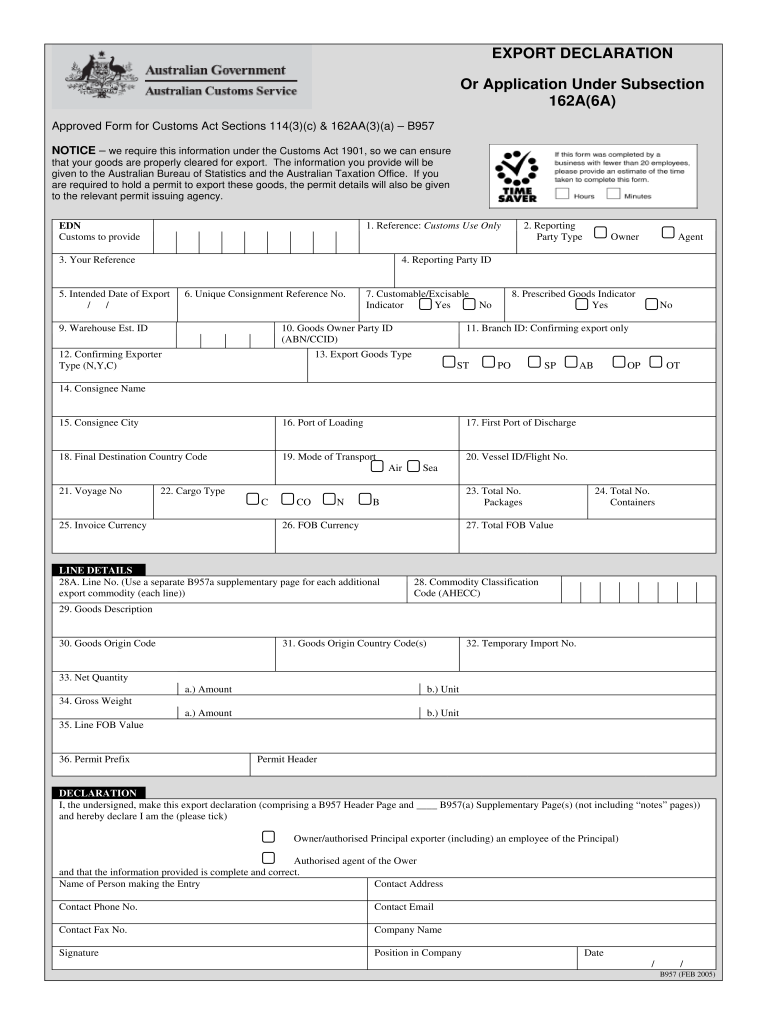
The export declaration form is a critical document utilized to declare goods being exported from one country to another. This form collects vital information about the exporter, the recipient, and the nature of the goods being exported. It serves multiple purposes, including facilitating customs clearance, ensuring compliance with trade regulations, and providing statistical data about international trade. Each country may have its specific variations of the export declaration form, but all serve the fundamental function of record-keeping and regulatory compliance.
In the United States, the primary export declaration form is known as the Electronic Export Information (EEI) submission, which is submitted through the Automated Export System (AES). This declaration includes information such as the commodity classification, value of goods, intended destination, and the quantity being exported. The completion of this form is essential to prevent delays in shipment and potential penalties for non-compliance, which could include fines or sanctions against future trade activities.
Steps to Complete the Export Declaration Form
Completing the export declaration form involves several steps to ensure all required information is accurately provided. The following outline breaks down this process:
-
Gather Required Information:
- Exporter’s details (name, address, and contact information)
- Consignee’s information (recipient’s name and address)
- Details of the goods (description, quantity, and value)
- Export control classification number (ECCN)
- Destination country and intended final use of the goods
-
Access the Appropriate Form:
- In the U.S., the export declaration is submitted electronically through the AES. It is essential to have an AES account set up prior to submission.
-
Fill Out the Form:
- Input the collected information into the designated fields on the electronic form. Pay particular attention to accuracy, as inconsistencies can lead to delays and scrutiny from customs authorities.
-
Review and Confirm Accuracy:
- Double-check all entered information to ensure compliance with customs regulations.
-
Submit the Export Declaration:
- Once verified, submit the form electronically. Keep a copy of the submitted declaration for your records, as it may be required for future reference.
By adhering to these steps, exporters can streamline their export process and ensure compliance with international trade regulations.
Who Typically Uses the Export Declaration Form?
The export declaration form is utilized by a wide range of individuals and entities involved in international trade. This includes:
-
Businesses and Corporations: Companies that export goods, whether small or large, must submit this form to comply with legal requirements and facilitate the export process.
-
Freelancers and Independent Contractors: Individuals offering services tied to exporting, such as creators of customs documentation and logistics experts, need to understand and utilize this form.
-
Freight Forwarders and Customs Brokers: Professionals in logistics and customs clearance handle export declarations on behalf of their clients, ensuring proper documentation for shipments.
-
Government Agencies: Regulatory bodies that oversee international trade often utilize this information to compile trade statistics and monitor compliance with export regulations.
Understanding the diverse user base of the export declaration form emphasizes its importance in facilitating smooth international trade operations.

Important Terms Related to the Export Declaration Form
Familiarity with key terminology associated with the export declaration form is essential for anyone involved in the export process. Some of the critical terms include:
-
Commodity Classification: A system used to identify goods being exported, assigned a specific code that reflects the nature of the product.
-
Automated Export System (AES): The U.S. online system used for filing export declarations electronically, streamlining the reporting process.
-
Electronic Export Information (EEI): The specific data that must be submitted in the export declaration form, providing details about the exported goods.
-
Consignee: A term referring to the individual or entity receiving the goods exported from one country to another.
-
ECCN (Export Control Classification Number): This number indicates the level of control on the export of specific goods, essential for ensuring compliance with U.S. export regulations.
Understanding these terms is crucial to accurately completing the export declaration form and remaining compliant with necessary regulations.
Legal Use of the Export Declaration Form
The legal framework surrounding the export declaration form is vital for ensuring compliance and avoiding penalties. In the U.S., the submission of an export declaration is mandated by the Bureau of Census and Customs and Border Protection (CBP). Exporters must adhere to the following legal considerations:
-
Accuracy of Information: Providing false or misleading information on the export declaration form can lead to severe penalties, including fines, loss of export privileges, and legal action.
-
Timeliness: Export declarations must be submitted prior to the exportation of goods to avoid non-compliance issues. Failing to meet deadline requirements can result in penalties and delays in shipment.
-
Control Regulations: Certain goods may be subject to additional export controls, necessitating compliance with laws related to specific commodities or destinations. It's essential to consult the relevant materials, such as the Export Administration Regulations (EAR), to understand any additional requirements.
Being well-versed in the legal obligations associated with the export declaration form helps exporters mitigate risks and navigate the complexities of international trade.




