




01. Edit your form online
Type text, add images, blackout confidential details, add comments, highlights and more.

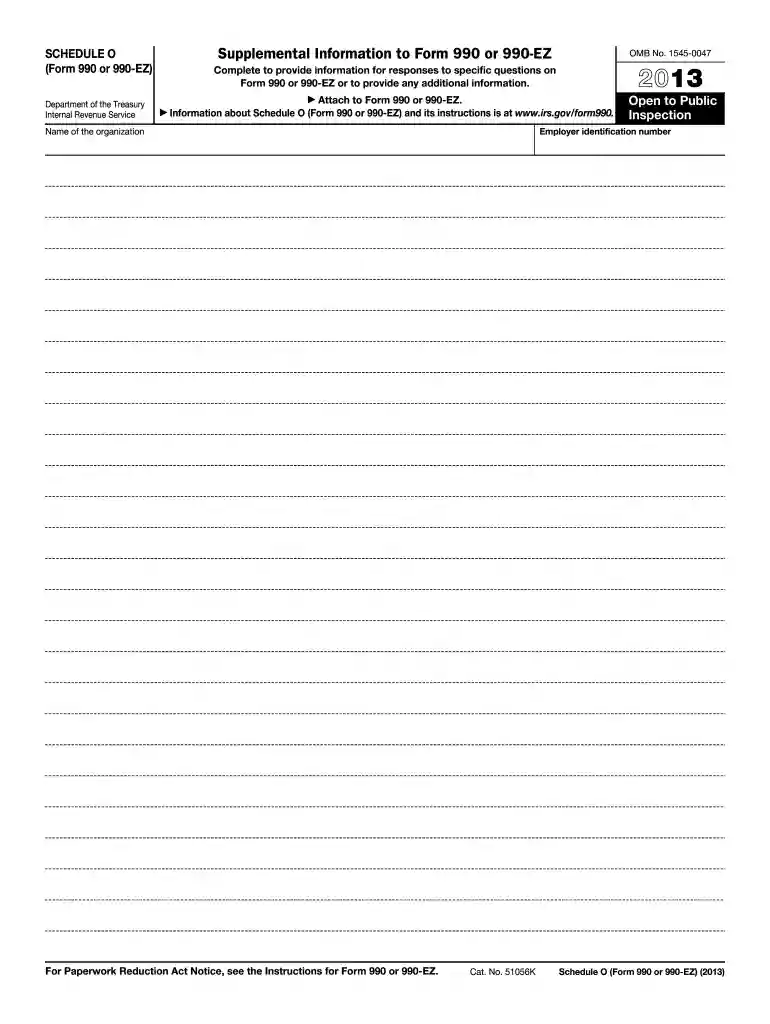
Type text, add images, blackout confidential details, add comments, highlights and more.

Draw your signature, type it, upload its image, or use your mobile device as a signature pad.

Send it via email, link, or fax. You can also download it, export it or print it out.
The IRS 990-EZ form is a shortened version of the IRS Form 990, used by tax-exempt organizations to report their annual financial information. Intended for smaller organizations, it simplifies the process of demonstrating compliance with tax regulations by providing a less complex filing option. The purpose is to ensure transparency in finances, operations, and to promote accountability among non-profit organizations. By filing the Form 990-EZ, organizations maintain their tax-exempt status and offer detailed insights into their fiscal activities for public record.
Using the IRS 990-EZ form involves gathering key financial details, such as gross receipts, total assets, and fund sources. Organizations must provide information about their mission, most significant activities, and revenue-generating program services. It is essential to accurately detail expenses, including administrative, fundraising, and program-related costs. Completing the form requires careful attention to the IRS instructions and guidelines, ensuring all necessary fields are filled. Using the IRS guidelines, organizations can correctly report financial activities and operations for the 2013 tax year, ensuring compliance and transparency.
Following a structured approach ensures precision, reducing the possibility of IRS queries or penalties.
The IRS 990-EZ form is primarily used by smaller tax-exempt organizations, including charities, non-profits, and certain religious and educational institutions. Generally, it applies to entities with gross receipts under $200,000 and total assets under $500,000. Organizations fitting these criteria often choose Form 990-EZ over the longer Form 990 to streamline their filing process. Beneficiaries of this form include community groups, small educational institutions, and religious organizations that rely on clear financial documentation to support their tax-exempt status.


Understanding these terms is vital for accurately completing and comprehending the IRS 990-EZ form, ensuring compliance with regulatory requirements.
The deadline for filing the Form 990-EZ for the 2013 tax year typically falls on the 15th day of the fifth month after the close of the organization's accounting period. For calendar year filers, this date is May 15. However, an automatic 3-month extension can be requested using Form 8868, allowing entities to file as late as August 15. Timeliness affects an organization's good standing and compliance; thus, adhering to deadlines is crucial to avoid penalties and maintain tax-exempt status.
Organizations filing IRS 990-EZ need to assemble several critical documents:
Failing to file the IRS 990-EZ form or providing incorrect information can lead to penalties. The IRS may impose daily fines that accrue until the form is submitted or corrected, potentially leading to significant financial burdens. Repeated non-filing can also result in the loss of tax-exempt status. Organizations must ensure timely and accurate submissions to avoid these penalties and maintain compliance.
Several core elements are integral to the IRS 990-EZ form:
Each element supports the transparency and accountability of non-profit organizations, ensuring they meet IRS requirements while representing their fiscal standing comprehensively.
We've got more versions of the irs 990ez 2013 form form. Select the right irs 990ez 2013 form version from the list and start editing it straight away!
| Versions | Form popularity | Fillable & printable |
|---|---|---|
| 2024 | 4.9 Satisfied (27 Votes) | |
| 2023 | 4.2 Satisfied (52 Votes) | |
| 2022 | 4.7 Satisfied (40 Votes) | |
| 2021 | 4.8 Satisfied (196 Votes) | |
| 2020 | 4.2 Satisfied (46 Votes) | |
| 2019 | 4.4 Satisfied (84 Votes) | |
| 2018 | 4.4 Satisfied (239 Votes) | |
| 2017 | 4.4 Satisfied (204 Votes) | |
| 2016 | 4.4 Satisfied (331 Votes) | |
| 2015 | 4 Satisfied (42 Votes) | |
| 2014 | 4 Satisfied (50 Votes) | |
| 2013 | 4.4 Satisfied (38 Votes) | |
| 2012 | 4 Satisfied (26 Votes) | |
| 2011 | 4 Satisfied (28 Votes) | |
| 2010 | 4 Satisfied (60 Votes) |
If you frequently work with documents stored in your Google Drive, DocHub is an excellent solution for you to easily and quickly fill out, modify, and approve them. This editor integrates well with Google services, so you can export your irs 990ez 2013 form from your Google Drive to the editor without downloading and re-uploading it. Right-click on your file, select Open With → DocHub PDF Sign and Edit. In our editor, add and assign Signature Fields for all people involved, then click on the Menu button above → Send → select how you want to share your form.
With DocHub, you have several convenient ways to edit your irs 990ez 2013 form online. You can drag and drop the form and modify it directly at the DocHub website or use our browser extension to fill out your form immediately. Additionally, you can modify your PDF on your smartphone, as DocHub is compatible with all the available mobile platforms.
At DocHub, your data security is our priority. We follow HIPAA, SOC2, GDPR, and other standards, so you can work on your documents with confidence.
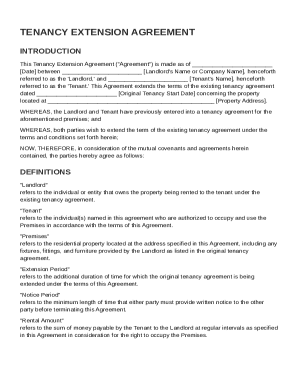
Form 990 or 990-EZ. Cat. No. 11285F. Schedule A (Form 990 or 990-EZ) 2013. Page 6. Schedule A (Form 990 or 990-EZ) 2013. Part II. Page 2. Support Schedule forRead more
The Form 990-EZ is an annual information return required to be filed with the IRS by many organizations exempt from income tax under section 501(a), and certainRead more
May 15, 2014 FINALLY, THE FORM 990 WILL BE DISTRIBUTED. TO THE ENTIRE BOARD OF DIRECTORS BEFORE FILING WITH THE IRS. FORM 990, PART VI, SECTION B, LINE 12:Read more


