





Definition & Meaning
The "Contrato de Mandato" is a legal declaration enabling one party, termed the mandante, to confer authority to another party, known as the mandatario, to act on their behalf. This agreement can pertain to various activities, such as handling business affairs, managing property, or representing interests. Rooted in civil law, particularly articles 2546 to 2604 of the Federal Civil Code, the Contrato de Mandato establishes a fiduciary relationship, ensuring the mandatario's actions are legally binding on the mandante. The contract can be oral or written, with or without representation, adapting to different situations, underscoring its flexibility and utility in varied contexts.
Key Elements of the Contrato de Mandato
A Contrato de Mandato includes several essential components that define its scope and enforceability:
- Parties Involved: Clearly identifies both the mandante and mandatario, including their rights and responsibilities.
- Purpose: Explicitly outlines the activities or transactions the mandatario is authorized to conduct.
- Duration: Sets the term for which the contract is valid, which might be indefinite or for a specific period.
- Compensation: Details any payment arrangements, whether it's a flat fee, hourly rate, or no compensation at all.
- Termination Clause: Specifies conditions under which the contract can be terminated by either party.
Each element must be precisely articulated to prevent misunderstandings and ensure legal enforceability.
Steps to Complete the Contrato de Mandato
- Draft the Contract: Prepare a detailed document outlining the purpose, scope, and limits of authority granted to the mandatario.
- Include Key Elements: Ensure all necessary components, such as parties, purpose, and duration, are clearly stated.
- Review Legal Terms: Consult legal statutes relevant to the Contrato de Mandato to ensure compliance, especially the applicable sections of the Federal Civil Code.
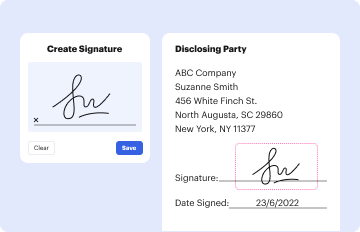
- Sign the Agreement: Both parties must sign the contract, and it's advisable to have it notarized or witnessed to confirm authenticity.
Each step must be undertaken carefully to validate the agreement and secure its effectiveness.
Legal Use of the Contrato de Mandato
The Contrato de Mandato serves various legal purposes, serving as the backbone for:
- Business Transactions: Facilitates operations where direct involvement of the principal is impractical.
- Property Management: Empowers agents to handle real estate matters like leasing or maintenance on behalf of the owner.
- Financial Affairs: Allows representation for executing financial decisions, opening accounts, or handling investments.
Aligning with legal guidelines ensures the contract's validity and protects the interests of all parties involved.
State-Specific Rules for the Contrato de Mandato
While the Federal Civil Code provides a foundational framework, state-specific interpretations and additional requirements may apply:
- Registration Requirements: Some states might mandate the registration of certain mandatary powers with local authorities.
- Notarization Necessities: Varies by state with different documentation standards for proving the validity of signatures.
- Jurisdictional Variations: Certain states may have broad interpretations affecting the applicability of powers under the contract.
Understanding these variances is crucial for the proper execution and enforcement of the contrato.
Examples of Using the Contrato de Mandato
Case studies provide practical insights into the application of this contract:
- Entrepreneurial Ventures: A business owner might empower an employee to negotiate on behalf of the company.
- International Representation: A client may authorize a law firm to act in international legal proceedings.
- Healthcare Decisions: Individuals may delegate medical decision-making to a trusted person, particularly in end-of-life scenarios.
These examples illustrate the contract's adaptability to varying needs and situations.
Required Documents
To enact a Contrato de Mandato, the following documents are often required:
- Identification: Valid IDs for both the mandante and mandatario.
- Drafted Contract: A written agreement highlighting responsibilities and authority.
- Proof of Authority: If applicable, documents proving the mandante's authority to confer powers, like corporate resolutions.
Having these documents prepared ensures a smooth execution of the contract.
Digital vs. Paper Version
The choice between digital and paper versions of the Contrato de Mandato can impact convenience and legality:
- Digital Versions: Offer ease of access, editing, and sharing through platforms like DocHub. They are suitable for environments where quick updates and remote access are priorities.
- Paper Versions: Preferred in jurisdictions or situations where digital signatures aren't accepted or when physical archiving is necessary.
Selecting the appropriate format helps align with logistical preferences and legal requirements.