





Definition & Meaning of Delivery Receipt
A delivery receipt is a document used as a record of goods or documents being transferred from one party to another. Its primary purpose is to confirm that the recipient has received the specified items in satisfactory condition. This receipt functions as proof of delivery for both the sender and the receiver. In the event of discrepancies or disputes regarding the delivery, the receipt can serve as a critical piece of evidence.
Components of a Delivery Receipt
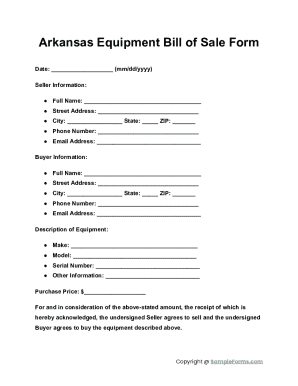
- Details of the Sender and Receiver: Includes names, addresses, and contact information for clear identification.
- Description of Items: Specific items being delivered, including quantity and condition at the time of dispatch.
- Date and Time of Delivery: Ensures clarity on when the delivery took place, crucial for tracking purposes.
- Signature Lines: Both sender and receiver signatures, verifying the transfer and receipt of items.
Steps to Complete the Delivery Receipt
Completing a delivery receipt accurately is essential to ensure all parties have a clear, mutual understanding of the transaction taking place.
-
Fill in Sender and Receiver Information: Start by clearly entering the name, address, and contact information for both the sender and receiver. This ensures there is no confusion about who sent and received the delivery.
-
Detail the Items Delivered: List each item being delivered, with specific notes on quantity, condition, and any relevant serial numbers. This helps prevent future disputes over what was included in the delivery.
-
Include Delivery Date and Time: Record the exact date and time of the delivery. This fundamental step aids in tracking and can be critical if there are timing disputes.
-
Obtain Signatures: Both parties should sign the receipt. The sender confirms the dispatch, and the receiver acknowledges receipt and condition of the items.
Common Mistakes to Avoid
- Incomplete Information: Ensure all sections are filled out; missing information can lead to misunderstandings.
- Legibility: Write clearly so all details can be easily read and understood by all parties.
Why Should You Use a Delivery Receipt?
Using a delivery receipt has numerous benefits for both senders and receivers. It provides legal proof of the transaction, assuring all involved parties that the delivery was completed as agreed.
Benefits for Senders
- Proof of Fulfillment: Demonstrates that goods or services have been delivered, which can be critical in case of disputes.
- Tracking and Accountability: Keeps a structured record for inventory and accountability purposes.
Benefits for Receivers
- Confirmation of Receipt: Verifies that the recipient has received the specified items.
- Condition Verification: Confirms that items were received in acceptable condition, preventing future claims of damage during transportation.
Important Terms Related to Delivery Receipt
Understanding the key terms associated with delivery receipts enhances your ability to use and interpret these documents effectively.
- Bill of Lading: A legal document issued by a carrier to a shipper detailing the type, quantity, and destination of the goods being carried.
- Proof of Delivery (POD): A signed confirmation from the recipient that goods have been received and are in good condition.
Differences Between Related Documents
- Delivery Note vs. Delivery Receipt: A delivery note accompanies goods being delivered and lists all the items, whereas a delivery receipt confirms those items have been received.
- Packing Slip: Focuses on the contents, not necessarily used to confirm delivery.
Key Elements of the Delivery Receipt
A well-structured delivery receipt includes various elements essential for its purpose to be fulfilled effectively.
- Itemized List: Clearly states everything included in the delivery, making it easy to verify all items upon receipt.
- Condition Report: Notes any notable conditions or anomalies with the delivered goods.
- Signatures: The most crucial part, validating the transaction and recognizing the delivery's completion.
Element Details
- Serial Numbers: If applicable, include serial numbers for each item to prevent misunderstandings.
- Conditions Noted: Any pre-existing damages should be noted before signing the receipt.
Examples of Using the Delivery Receipt
Delivery receipts are used in countless situations. Here are common scenarios highlighting their importance.
Retail Transactions
- E-commerce Deliveries: Deliveries of online purchases often include a receipt to ensure the correct items were received.
Business-to-Business Deliveries
- Supply Chain Management: Essential for managing the receipt of goods in a supply chain, ensuring each shipment is properly accounted for.
Digital vs. Paper Version of Delivery Receipt
With advances in technology, delivery receipts have evolved. Both paper and digital versions have specific benefits.
Digital Delivery Receipts
- Instant Communication: Provide quick confirmation of delivery via email or digital platforms.
- Environmentally Friendly: Reduce paper usage, aligning with sustainable practices.
- Enhanced Tracking: Digital systems often offer built-in tracking features for better management.
Paper Delivery Receipts
- Traditional Reliability: Still preferred in industries where digital adoption is low or immediate access to technology is not available.
- Tangible Record: Physical copies serve as a tangible proof, which some parties feel more comfortable with.
Understanding these components ensures that businesses and individuals can leverage delivery receipts effectively for their operations.