




Definition & Meaning
The Replacement Cost Estimator is a financial tool used to calculate the amount of money required to replace an asset or structure with a new one of similar kind and quality. Unlike market value, which considers what an asset could be sold for today, replacement cost focuses solely on the cost to rebuild or replace without factoring in depreciation. This estimator is crucial for insurance purposes, ensuring sufficient coverage for the full reconstruction cost in the event of damage or loss.
Key Components
- Replacement Cost vs. Market Value: Replacement cost is specifically concerned with the cost to replace an item, while market value considers current sale conditions.
- Application in Insurance: Used to determine coverage needs for policies related to homeowners, businesses, and personal assets.
Practical Example
Consider a homeowner needing insurance for a personalized historic property. The Replacement Cost Estimator calculates replacing the specialized vintage materials used, which might be higher than the current market value due to unique features.
How to Use the Replacement Cost Estimator
The application of this tool involves a detailed process, taking several factors into account to generate an accurate estimate.
Step-by-Step Instructions
- Identify the Asset or Property: Determine what needs replacement, such as a residential home or a commercial building.
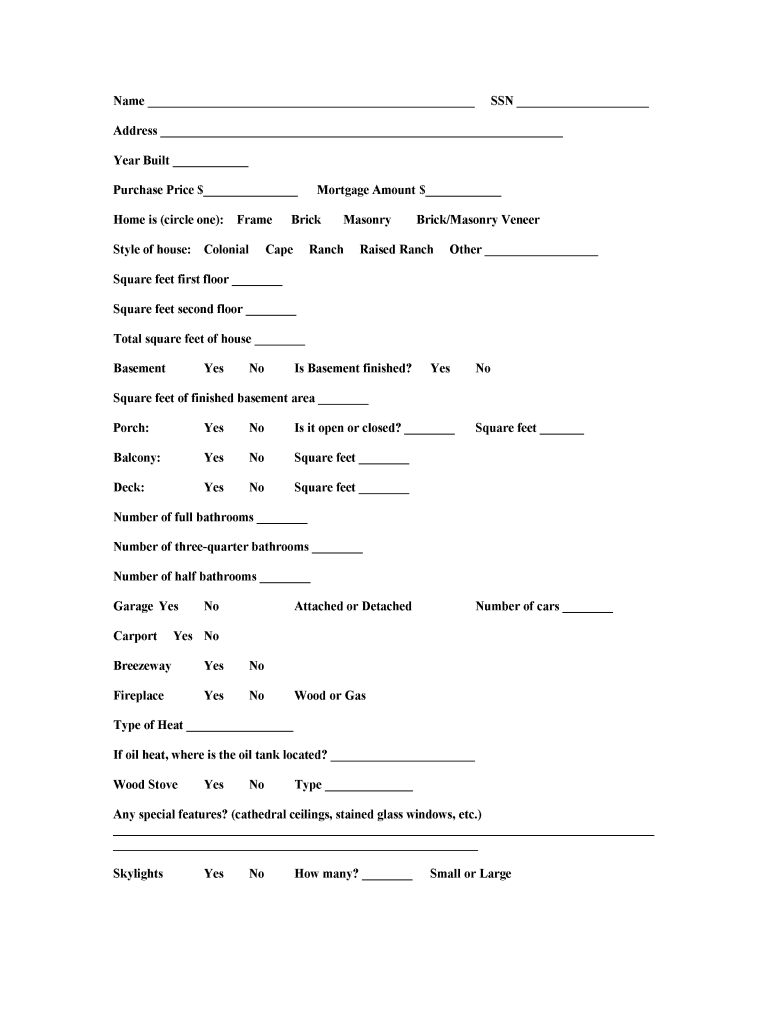
- Gather Required Details: Collect all physical aspects like size, construction materials, and architectural style.
- Use Estimation Tool: Input gathered information into a reliable estimator tool, ensuring accuracy in details provided.
- Analyze Results: Review the estimated replacement cost to ensure it aligns with coverage needs and financial plans.
Real-World Scenario
A business owner using the estimator for a commercial office considers aspects like structural technology systems, ensuring insurance covers these advanced setups.
How to Obtain the Replacement Cost Estimator
Several resources provide access to this essential tool, catering to varied user preferences and technological skills.
Methods of Acquisition
- Online Platforms: Many insurance companies offer online calculators for easy access and instant results.
- Software Solutions: Dedicated software applications can provide comprehensive estimation capabilities for complex assets.
- Consulting Experts: Professionals in the insurance industry can offer insights and perform detailed calculations.
Steps to Complete the Replacement Cost Estimator
Completing the estimator involves accurate data entry and verification to ensure the estimate meets professional standards.
Detailed Process
- Compile Necessary Data: Catalogue dimensions, construction type, and specific material details.
- Select Appropriate Estimator: Choose a reliable platform or software based on asset complexity and user preference.
- Follow Data Input Guidelines: Adhere to platform-specific instructions for data entry precision.
- Review and Amend: Cross-check outputs with existing asset details to verify estimator's accuracy.
Why Use a Replacement Cost Estimator
This tool is indispensable for several reasons, ensuring financial protection and informed decision-making.
Key Benefits
- Adequate Insurance Coverage: Ensures insurance meets true rebuilding needs without financial gaps.
- Informed Decision-Making: Provides accurate data to inform budgeting and financial planning regarding asset replacement.
- Risk Management: Mitigates financial risks associated with unexpected asset damage or loss.
Practical Importance
Homeowners, business owners, and insurers rely on the replacement cost estimator to secure adequate coverage, preventing loss in catastrophic events like natural disasters.
Important Terms Related to Replacement Cost Estimator
Understanding the terminology associated with the Replacement Cost Estimator enhances its application and utilization.
Core Terminology
- Depreciation: Reduction in value due to wear and tear, distinct from replacement cost.
- Appraisal: A formal evaluation of an asset's value, which may differ from replacement cost calculations.
- Endorsement: Additional policies that adjust coverage based on replacement figures.
Key Elements of the Replacement Cost Estimator
The effectiveness of this estimator hinges on several well-defined elements.
Vital Components
- Precision in Data Input: Accurate measurement and data entry ensure estimator reliability.
- Current Construction Costs: Utilizes up-to-date cost information for materials and labor.
- Asset-Specific Details: Considers unique attributes of the asset that affect replacement value.
Legal Use of the Replacement Cost Estimator
Employ the tool within legal parameters to ensure compliance and accuracy in financial contexts.
Legal Considerations
- Accurate Documentation: Maintain records of all estimation steps and data inputs for potential legal or audit requirements.
- Compliance with Regulations: Ensure the estimator and its application adhere to local and federal insurance regulations.