




Definition & Meaning
The "Property Data Change Request Form" serves as an official document used to report and rectify discrepancies between recorded property data and actual property characteristics. This form is crucial for property owners who notice errors or inaccuracies in property information that may impact property taxes, legal documentation, or real estate transactions. It allows individuals to provide correct details that should be reflected in official records.
Commonly identified discrepancies might include incorrect property dimensions, ownership information, or building characteristics. Addressing these issues promptly is vital to maintaining accurate public records and ensuring that property valuations reflect current, accurate data.
How to Obtain the Property Data Change Request Form
Acquiring the Property Data Change Request Form involves several straightforward options to facilitate access:
- Online Access: Most property management or local government websites provide downloadable versions of the form for convenience.
- In-Person Requests: You may visit a local government office, such as the Department of Revenue or County Assessor's Office, to obtain a physical copy.
- Mail Requests: Some offices may offer a mail service where you can request the form to be sent to your home address.
It's advisable to check the official website of the relevant jurisdiction for the most current form and instructions, as requirements may vary.
Steps to Complete the Property Data Change Request Form
Filling out a Property Data Change Request Form accurately is essential. Here’s a step-by-step process:
- Personal Information: Start by providing your full name, contact information, and any identification numbers relevant to the property.
- Property Details: Include the property's address, parcel number, and any other identifiers to ensure proper identification.
- Description of Discrepancy: Clearly detail the discrepancies in the existing data. Specify sections like property size, ownership details, or erroneous descriptions that need correction.
- Supporting Documents: Attach any documents that support the requested changes, such as deed copies, surveyor reports, or building permits.
- Signature and Date: Confirm the accuracy of the submitted information by signing and dating the form. Ensure you follow any witness or notarization requirements.
Before submission, double-check the form to prevent errors that could delay processing.
Why You Should Use the Property Data Change Request Form
Utilizing the Property Data Change Request Form is crucial for several reasons:
- Accuracy in Records: Ensures that public and legal documents accurately reflect the property's current characteristics.
- Financial Implications: Prevents incorrect property tax assessments which could lead to overpayment or tax discrepancies.
- Legal Protection: Provides a legal framework to correct inaccuracies and protect property rights, crucial during transactions or disputes.
- Enhanced Saleability: Accurate property records can enhance trust and transparency with potential buyers or tenants, facilitating smoother transactions.
Overall, maintaining correct property data is key to avoiding potential legal and financial issues.
Important Terms Related to Property Data Change Request Form
Certain terms are essential for understanding and accurately completing the Property Data Change Request Form:
- Parcel Number: A unique identifier assigned to the property, used in all kinds of property data transactions.
- Deed: A legal document representing property ownership. Important when verifying ownership disputes.
- Assessed Value: The monetary value assigned to a property for tax purposes, which can be influenced by record inaccuracies.
- Easement: A right to use another person's land for a specific purpose, which should be correctly noted in property records.
Familiarity with these terms can significantly aid in the completion and comprehension of the form.
Legal Use of the Property Data Change Request Form
The form has specific legal implications and uses that are important to understand:
- Legal Corrective Action: Allows property owners a legal avenue to amend public records when discrepancies are found.
- Validation: Any changes made through this form uphold their validity across legal platforms dealing with property tax, zoning, and other public records.
- Dispute Resolution: Provides a documented process for resolving differences in property information that may arise between owners and government entities.
Compliance with legal guidelines when using the form helps in safeguarding property rights and avoiding disputes.
Form Submission Methods (Online / Mail / In-Person)
Submitting the Property Data Change Request Form can be done via different channels:
- Online Submission: Some jurisdictions offer the convenience of submission through online portals. This method is typically quicker and allows electronic tracking of the request.
- Mail Submission: For areas without online facilities, mailing the filled form to the designated office is a viable option. Ensure to verify the mailing address and include all necessary attachments.
- In-Person Submission: Visiting the local jurisdiction office allows for direct submission and clarification of any doubts. This method provides personal confirmation that the form has been received.
Each method has its own set of instructions and potential requirements, so it’s crucial to verify specifics with the relevant agency.
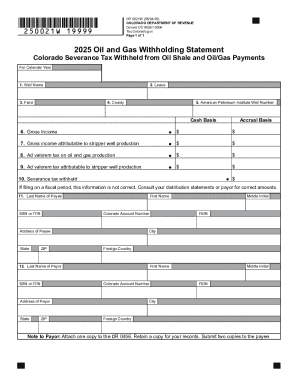
Key Elements of the Property Data Change Request Form
Essential components of this form include:
- Applicant Information: Personal details of the individual requesting the data change.
- Property Identification: Unique identifiers such as plot number, district number, or geography code.
- Details of Request: A comprehensive description of the discrepancies and requested changes.
- Attachments: Necessary supporting documentation that validates the request.
- Certification: A section where the applicant certifies the truthfulness of the information provided.
Ensuring each section is completed accurately broadens the likelihood of a successful data update.
Examples of Using the Property Data Change Request Form
Here are a few scenarios where this form is applicable:
- Correction of Ownership Information: Updating records when a property has been transferred to a new owner but the change is not reflected in official documents.
- Adjustments for Renovations: When significant renovations alter the size or structure of a property, filing this form ensures accurate representation in public records.
- Resolution of Past Errors: Identifying historical errors in property dimensions or uses and requesting formal corrections.
These examples showcase the form’s utility in maintaining the integrity and accuracy of property data.