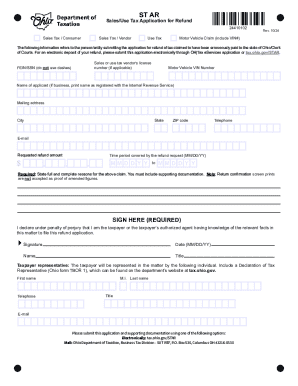
Definition and Meaning of a Purchase Order Form
A purchase order form serves as a formal document issued by a buyer to a seller, detailing the types, quantities, and agreed prices for products or services. It functions as a binding contract once the seller accepts it. This document is essential in maintaining transparency and accountability in business transactions, as it clearly outlines the buyer's intentions and provides the seller with a clear understanding of the buyer's needs. In the context of business operations, a purchase order form helps streamline procurement processes, ensuring that orders are properly documented and approved before goods are dispatched.
Common Uses and Importance
- Inventory Management: Purchase order forms help businesses keep track of inventory levels and manage supplies effectively.
- Budget Control: By detailing the amounts and costs of products or services ordered, these forms aid in financial planning and budget adherence.
- Supplier Communication: They serve as a standardized way to communicate and negotiate terms with suppliers, reducing misunderstandings.
- Audit Trail: Purchase orders provide a clear paper trail for accounting and audit purposes, making financial assessments more efficient.
Steps to Complete the Purchase Order Form
Completing a purchase order form accurately is crucial to ensure a successful transaction. Below are the typical steps involved:
- Enter Buyer Information: Include name, address, and contact details of the buyer.
- Vendor Details: Clearly state the vendor's name, address, and contact particulars.
- Product or Service Description: List the items or services required, with detailed descriptions for clarity.
- Quantities and Unit Prices: Specify the quantity of each item and per-unit cost.
- Total Cost Calculation: Multiply the quantities by unit prices and sum up to determine the total cost.
- Terms and Conditions: Outline any specific terms, such as delivery schedules, payment methods, and deadlines.
- Approval Signatures: Obtain necessary approvals from authorized personnel to finalize the purchase order.
Tips for Accurate Completion
- Verify Details: Double-check all entries for accuracy to prevent processing delays.
- Consistent Formatting: Ensure a uniform format for ease of analysis and auditing.
- Clear Descriptions: Provide detailed product or service descriptions to avoid confusion.
Key Elements of the Purchase Order Form
Purchase order forms typically consist of several critical components that ensure clarity and comprehensiveness in the ordering process. These elements include:
- PO Number: A unique identifier for tracking and reference purposes.
- Issue and Delivery Dates: Specified dates for order issuance and expected delivery.
- Billing and Shipping Addresses: Distinct addresses for invoicing and delivery.
- Payment Terms: Agreed conditions for payment, including timelines and methods.
- Vendor Contact: Contact information for queries and order confirmations.
Importance of Key Elements
- Tracking and Management: Unique PO numbers facilitate accurate order tracking.
- Process Efficiency: Clear payment terms and addresses streamline transactional processes.
- Order Completion: Specifying delivery dates ensures timely delivery of goods and services.
Legal Use of the Purchase Order Form
Legally, a purchase order acts as a contractual agreement between buyer and seller upon acceptance by both parties. It signifies a mutual understanding and consent to the specified terms. Additionally, in the United States, purchase orders are governed by the Uniform Commercial Code (UCC), which sets rules for commercial transactions.
Legal Protections
- Binding Contract: Serves as a legally binding document, offering legal protection for both parties.
- Dispute Resolution: Provides a framework for resolving disputes related to order discrepancies or misunderstandings.
Who Typically Uses the Purchase Order Form
Purchase order forms are widely used across various industries to facilitate transactions and order management. Typical users include:
- Retailers and Wholesalers: To order stock in bulk from suppliers for sale or distribution.
- Manufacturers: For procuring raw materials and components needed in production processes.
- Government Entities: As part of the official procurement processes to ensure financial compliance.
- Educational Institutions: For inventory acquisition, ranging from office supplies to specialized equipment.

Industry Examples
- Construction: Used for ordering construction materials and equipment.
- Healthcare: Hospitals use purchase orders to acquire medical supplies and pharmaceuticals.
Differences Between Digital and Paper Purchase Order Forms
In the modern business environment, purchase orders can be created and managed in both digital and paper formats, each having its unique benefits:
-
Digital Forms:
- Efficiency: Electronic forms streamline the ordering process and improve data management.
- Accessibility: Easy to access and update from anywhere, ensuring timely processing.
- Environmental Benefits: Eliminates the need for paper, contributing to environmental sustainability.
-
Paper Forms:
- Traditional Record: Provides a physical document for record-keeping and compliance.
- Familiarity: Preferred in environments where digital solutions are less prevalent or in smaller businesses.
Considerations for Choosing a Format
- Integration Needs: Digital forms integrate seamlessly with inventory and accounting software.
- Technical Resources: Availability of resources and skills to manage digital forms effectively.
Examples of Using the Purchase Order Form
Real-world scenarios illustrate the practical applications of purchase order forms across different sectors:
-
Scenario 1: A retail chain issues a purchase order to a supplier for the restocking of goods, ensuring receipt of a detailed order list for timely delivery and invoicing.
-
Scenario 2: A public school district utilizes purchase orders to acquire necessary classroom supplies from approved vendors, facilitating budget tracking and accountability.
-
Scenario 3: A tech start-up uses electronic purchase orders for faster procurement processes, allowing for digital archiving and easy modifications.
Scenario Benefits
- Clarity: Clearly defined orders prevent supply chain disruptions.
- Efficiency: Streamlined processes reduce administrative overhead and expedite order fulfillment.
Software Compatibility with Purchase Order Forms
Managing purchase orders is made easier with the use of compatible software solutions that offer seamless integration and automation capabilities:
-
Compatibility with Accounting Software: Applications like QuickBooks can automate purchase order generation, linking to accounts payable for streamlined financial management.
-
Integration with ERP Systems: Enterprise Resource Planning (ERP) systems enhance synchronization between order management, inventory levels, and supplier interaction.
Benefits of Software Integration
- Data Accuracy: Automated entries minimize human error and maintain data integrity.
- Process Automation: Automated workflows reduce time spent on manual entry and improve order accuracy.
State-Specific Rules for the Purchase Order Form
While the structure and utilization of purchase orders are consistent across the United States, certain states may have additional regulations or guidelines that influence their use:
-
Regulatory Compliance: Some states might require additional information for public sector purchase orders or establish specific record-keeping standards.
-
Tax Implications: State-specific tax policies may affect how taxes are applied and documented on purchase orders.
Regional Variations
- State Contracts: State government entities might impose unique conditions on vendors regarding delivery and payment terms.
- Industry Standards: Certain states may have specific industry regulations that affect purchase order content or format.
Thorough understanding and adherence to these regional guidelines ensure compliance and aid in preventing potential legal issues.