Definition & Meaning
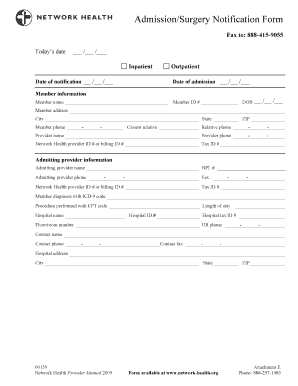
The Hospital Discharge Summary Form serves as an essential document that encapsulates a patient's medical journey during their hospital stay. It details the treatments administered, the patient's condition upon discharge, and any follow-up care requirements. This form ensures continuity of care by communicating vital medical information to post-discharge healthcare providers.
Components of a Discharge Summary
- Patient Information: Includes patient's name, age, sex, and identification number.
- Admission and Discharge Dates: Confirms the period of hospitalization.
- Final Diagnosis: Clinical diagnosis at discharge, necessary for ongoing care.
Importance of Accurate Documentation
Precise documentation in the discharge summary is critical as it impacts post-discharge treatment plans and patient safety. Errors or omissions can lead to gaps in care, affecting recovery and outcomes.
How to Use the Hospital Discharge Summary Form
The form is typically completed by healthcare professionals at the time of a patient's discharge. It is then shared with the patient and relevant post-discharge caregivers to ensure they have a comprehensive understanding of the patient's condition and required next steps.
Step-by-Step Instructions
- Fill in Patient Details: Ensure all personal and administrative data are accurate.
- Document Medical History: Note significant medical background relevant to the admission.
- Detail Clinical Course: Outline the treatments and interventions during the hospital stay.
- Conclude with Discharge Plan: Specify follow-up appointments, medications, and other care instructions.
Key Elements of the Hospital Discharge Summary Form
Specific sections must be completed accurately to maintain the integrity and utility of the discharge summary.
- Medications at Discharge: Lists all prescribed drugs, including dosages and administration schedules.
- Follow-Up Care Instructions: Outlines necessary follow-up appointments and any home care needs.
- Contact Information for Queries: Provides details on whom to contact for further information or clarifications.
Special Considerations
- Patient or Family Education: Includes any instructions given to the patient or family members concerning care at home.
- Emergency Plan: Advises on symptoms that would necessitate immediate medical attention.
Who Typically Uses the Hospital Discharge Summary Form
This form is used primarily by healthcare providers, including hospital staff, primary care physicians, and specialists involved in aftercare. It also serves as a vital document for patients and their families to understand the care received and future health management steps.


Use Cases for Healthcare Providers
- Coordination of Care: Enables seamless communication between hospital teams and outpatient care providers.
- Patient Safety: Ensures that all caregivers are aware of recent treatments and ongoing care needs.
Legal Use of the Hospital Discharge Summary Form
The discharge summary is a legal document that is part of the patient's medical record, ensuring that healthcare providers meet regulatory requirements by documenting the patient's hospital stay and discharge plan.
Compliance and Regulations
- Confidentiality Requirements: The form must comply with HIPAA regulations to protect patient privacy.
- Record-Keeping Standards: Hospitals are mandated to maintain these records as part of medical records for a stipulated period as governed by law.
Steps to Complete the Hospital Discharge Summary Form
Completion of the form involves a detailed review and documentation of various elements to provide a clear picture of the patient's hospital stay and future care requirements.
Essential Steps
- Review Patient Files: Gather all necessary documents related to the patient's care.
- Complete the Clinical Summary: Enter an overview of the patient's admission reasons, treatments, and final outcomes.
- Verify with Patient: Ensure patient understanding and accuracy of details before finalizing the document.
State-Specific Rules for the Hospital Discharge Summary Form
While there is a standard expectation for discharge summaries, specific states may have additional requirements based on state laws or local healthcare policies.
Examples of Variations
- Content Requirements: Some states may require more detailed sections or particular terminology.
- Submission Protocols: Differences in how the form is filed or accessed by patients and post-hospital care providers.
Digital vs. Paper Version
The evolution of healthcare documentation has led to digital versions of the discharge summary, enhancing accessibility and recordkeeping while reducing errors associated with paper forms.
Benefits of Digital Format
- Enhanced Accessibility: Easier sharing among healthcare providers and with the patient.
- Automated Updates: Integration with electronic health records (EHR) for real-time updates and revisions.
Paper Version Considerations
Some facilities or patients may still prefer paper versions due to technological barriers or personal preference, although this is becoming increasingly rare.
By understanding these elements and the role of the Hospital Discharge Summary Form, healthcare providers and patients or families can ensure that a comprehensive and accurate record facilitates a smooth transition from hospital to home care.