



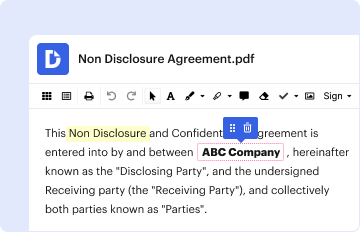
01. Edit your form online
Type text, add images, blackout confidential details, add comments, highlights and more.

Type text, add images, blackout confidential details, add comments, highlights and more.
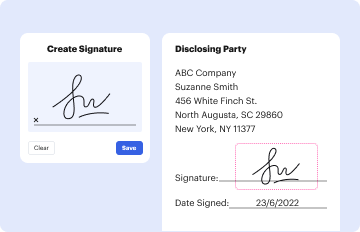
Draw your signature, type it, upload its image, or use your mobile device as a signature pad.
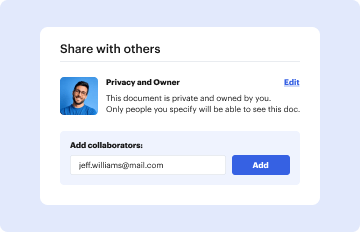
Send it via email, link, or fax. You can also download it, export it or print it out.
The Public Storage Lease Rental Agreement is a legally binding contract between a storage facility operator and an individual or business leasing storage space. This agreement outlines the terms and conditions under which the lease is granted, providing clarity regarding the responsibilities and rights of both parties. It often specifies rental fees, payment schedules, access rules, and procedures for enforcing the agreement. Through this contract, parties both establish and secure their legal relationship, making it an essential document for those renting self-storage units.
Utilizing this agreement begins with a thorough understanding of its terms. Tenants must carefully review all sections, ensuring they comprehend fee structures, payment dates, and access regulations. It's crucial to confirm personal details for accuracy before signing. Landlords or facility operators should ensure the contract reflects the agreed-upon terms and addresses specific issues like late payments or the circumstances under which the lease may be terminated. Once signed, both parties should retain copies for their records, which can later serve as a reference for resolving any disputes that may arise.
Understanding the terminologies within the lease is essential. Common terms include:
This agreement serves as a formalization of the rental arrangement, protecting both lessees and lessors under U.S. law. It stipulates enforceable terms that ensure compliance with state and federal regulations, offering remedies in the event of breaches by either party. For instance, it provides grounds for eviction or repossession if the tenant fails to comply with the payment or usage stipulations. Additionally, it can be used as a legal reference during disputes or court proceedings, affirming each party's adherence to the agreed conditions.
The lease agreement typically encompasses several crucial components:
Public storage rental agreements can vary by state due to differing legal requirements. Each state may have specific mandates related to consumer rights, payment practices, and eviction processes. For example, California storage laws might require specific notices before termination, while New York may have unique provisions on late fees. Tenants and operators should verify the governing regulations in their specific state to ensure full compliance.
To understand practical applications, consider scenarios where businesses store excess inventory or individuals moving to a new home require temporary storage. This agreement would formalize the specific terms unique to each situation, such as the duration of inventory storage for a retail business or short-term use for personal household goods. In both examples, the contract serves to set expectations, clarifying both parties' obligations and protecting them legally.
Though traditionally provided on paper, the Public Storage Lease Rental Agreement is increasingly available in digital format. Digital versions offer benefits like easier access, eco-friendliness, and enhanced security through encryption, especially when using platforms such as DocHub. They also streamline signature collection by allowing electronic signatures and can simplify document storage and retrieval for both lessees and lessors. However, a paper version may still be preferred in regions with limited digital access or among parties less comfortable with electronic transactions.
At DocHub, your data security is our priority. We follow HIPAA, SOC2, GDPR, and other standards, so you can work on your documents with confidence.


