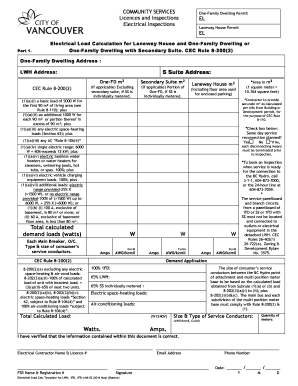
Definition and Meaning of the Client Request Form
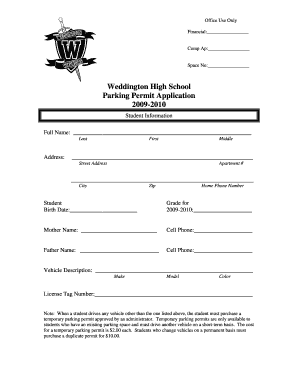
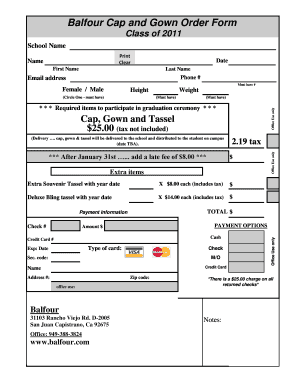
The Client Request Form is a standardized document used for collecting essential information or requests from clients. Typically, this form serves as a communication tool between an organization and its clients, allowing for a streamlined process of submission, review, and implementation of client requests. Forms are designed to capture specific details, such as a client's personal and contact information, the nature of the request, and any pertinent details or instructions required for processing.
-
Purpose: To formally document client requests, ensuring that all necessary information is collected for efficient processing and response.
-
Components: Usually includes fields for client identification, request specifics, and any additional comments or instructions.
This form is vital for maintaining clear and organized records of client interactions, promoting efficiency in service response and satisfaction.
How to Use the Client Request Form
Using the Client Request Form involves several key steps to ensure accuracy and completeness:
-
Access the Form: Obtain the form from your service provider or download it from a secure client portal if available.
-
Complete Personal Information: Enter all required personal details. Ensure that names, addresses, and contact numbers are accurate to prevent any delays in processing.
-
Detail the Request: Clearly articulate the request or service needed. It is crucial to provide as much detail as possible to facilitate quick and accurate service from the provider.
-
Review and Submit: Double-check all information for accuracy and submit the form through the designated submission method, which could be electronic or physical delivery.
By following these steps, users can effectively communicate their needs, ensuring that their requests are processed efficiently and accurately.
How to Obtain the Client Request Form
Obtaining a Client Request Form can vary based on the service provider:
-
Online Portals: Many organizations offer forms through secure online portals, where clients can download or fill out the form directly.
-
In-person Pickup: Some companies may provide physical copies of the form at their offices. Clients can visit in person during business hours to pick up a copy.
-
Customer Service: Contact the organization's customer service department to request a form be sent via mail or email.
Understanding these methods ensures clients can easily access the necessary documentation for submitting their requests.
Steps to Complete the Client Request Form
Completing the form involves systematically addressing each section:
-
Personal Information: Fill in your name, contact details, and any unique identifiers required.
-
Nature of the Request: Use clear and concise language to describe the request. Highlight any relevant context or urgency.
-
Supporting Documents: Attach any necessary supporting documents that provide further context or verification of the request.
-
Verification and Signature: Check the completed form for errors before signing to verify the information provided is correct.
These steps guarantee that the submitted form is comprehensive, accurate, and ready for processing.
Why You Should Use the Client Request Form
Utilizing the Client Request Form is essential for several reasons:
-
Efficiency: Streamlines the request process through standardized information collection.
-
Clarity: Minimizes misunderstandings by providing a clear outline of client needs and expectations.
-
Documentation: Creates a formal record of requests, which can be referenced in future interactions or disputes.
Employing a structured approach in client communication ensures better service delivery and client satisfaction.
Key Elements of the Client Request Form
Each form should include essential components:
-
Contact Information: Ensures smooth communication through accurate client details.
-
Request Description: Provides details about the service or action required.
-
Additional Notes or Attachments: Allows for inclusion of supporting materials to clarify the request.
Having these elements ensures the form is functional and efficient for its intended purpose.
Legal Use of the Client Request Form
The Client Request Form must comply with legal standards to ensure its validity and enforceability:
-
Data Privacy: Adhere to data protection regulations, ensuring client information is securely handled and stored.
-
Agreement to Terms: Clients typically acknowledge terms of service by submitting the form, which may be binding.
-
Authorization: The form often serves as a formal authorization for the organization to act on the client's behalf.
Understanding the legal implications ensures both parties are protected and aware of their commitments.
Who Typically Uses the Client Request Form
The form is commonly used by various entities:
-
Corporate Clients: Utilize the form for service requests, changes, or inquiries.
-
Individual Customers: Seek assistance or fulfillment of personal service needs through the form.
-
Service Providers: Use the form to formally document client interactions and requirements.
These applications highlight its versatility in facilitating organized communication across diverse industries and client types.