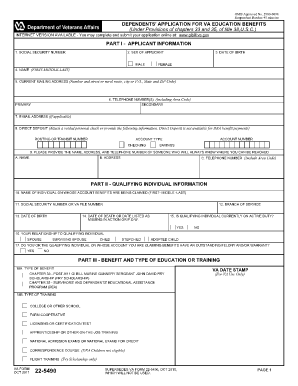
Definition and Purpose of the DICHIARAZIONE SOSTITUTIVA DI CERTIFICAZIONE DEL TITOLO DI STUDIO
The DICHIARAZIONE SOSTITUTIVA DI CERTIFICAZIONE DEL TITOLO DI STUDIO, commonly referred to as Autocertificazione titolo studio, is an Italian self-declaration form. It enables individuals to certify various aspects of their educational qualifications without needing official documents. This form is grounded in simplifying administrative processes and reducing paperwork, as delineated under D.P.R. N. 445/2000. Crucially, it carries the same legal weight as certificates obtained directly from educational institutions.
Key Components and Legal Framework
- Identification Details: The declarant’s full name, place, and date of birth.
- Residence: Current address as a record for identification and possible official correspondence.
- Certification Details: Specific description of the degree or diploma, including the institution’s name, year of completion, and any distinctions.
- Legal Standing: Recognized under Italian law, specifically articles 46 and 47 of D.P.R. N. 445/00, allowing declarations to substitute standard certification documents.
Utilizing the Autocertificazione titolo studio Effectively
This form serves multiple administrative purposes, particularly in public sectors. It enables smoother processing and verification of educational qualifications in scenarios like job applications within governmental bodies or enrollment processes for advanced studies.
Practical Applications
- Public Employment: Often required for job applications within public sectors, enabling streamlined verification when applying for positions.
- Educational Institutions: Used when submitting qualifications for enrollment, scholarships, or academic recognitions in Italian universities or colleges.
- Legal Relevance: This self-declaration is legally binding and equivalent to degrees or certifications, provided the information is accurate and truthful.
Obtaining the Autocertificazione titolo studio
Securing a DICHIARAZIONE SOSTITUTIVA DI CERTIFICAZIONE DEL TITOLO DI STUDIO involves a straightforward process that individuals can perform independently.
Step-by-Step Guide
- Identification Preparation: Gather all personal details, including identification numbers such as the tax code (Codice Fiscale).
- Degree Details: Assemble precise details of the educational qualification, like the name of the institution, the exact title of the degree, and the completion date.
- Blank Form Acquisition: Obtain the DICHIARAZIONE SOSTITUTIVA form from local municipal offices or use online platforms offering form templates.
- Written Declaration: Complete the form accurately, declaring the educational qualifications based on truthful representations.
- Submission and Validation: Submit the form to the relevant entity, which could be a public administration office or an educational institution, ensuring all information is correct.
Completing the Autocertificazione titolo studio
Thorough understanding and accurate completion are critical when filling out the form to avoid legal complications.
Detailed Completion Process
- Personal Information: Accurately enter personal identification, ensuring consistency with official documents.
- Academic Details: Clearly state the degree specifics, including any honors if applicable.
- Sign and Date: Ensure the form is signed with the current date, confirming the authenticity and accuracy of the provided information.
Tips for Accurate Completion
- Verification: Double-check details against official certificates to avoid inconsistencies.
- Clarity: Use clear handwriting or digital typographic fonts when filling the form electronically.
Why Use the Autocertificazione titolo studio
Choosing the Autocertificazione titolo studio over traditional certifications offers several advantages in efficiency and convenience.
Benefits and Justifications
- Efficiency: Reduces the need for official document retrieval, saving time in emergency applications.
- Cost-Effective: Eliminates fees associated with obtaining official documents from academic institutions.
- Accessibility: Simplifies processes for gaining employment or academic advancement by bypassing bureaucratic hurdles.
Typical Users of the Autocertificazione titolo studio
The form caters to a variety of individuals within Italy, particularly those engaging with public systems or academic institutions.
Common User Profiles
- University Students: For scholarship applications or post-graduate enrollments.
- Job Applicants: Public sector candidates who need to quickly fulfill application requirements.
- Immigrants within the EU: Individuals who must validate their education within Italy for work or residency purposes.
Legal Context and Compliance for the Autocertificazione titolo studio
Comprehending the legal backdrop is pivotal to utilizing this form effectively without legal repercussions.
Legal Compliance Considerations
- Authenticity Enforcement: Falsely declaring information is a criminal offense, punishable under Italian law, emphasizing the need for accuracy.
- Mandatory Declaration Elements: Certain fields within the form, especially those concerning identity and education, must be completed truthfully.
Legal Consequences of Non-Compliance
- Penal Implications: Misrepresentation can lead to fines, a criminal record, or disqualification from the opportunity applied for.
- Verification: Institutions may check the declaration against official records before facilitating any benefits.
By providing detailed instructions and legal context around the DICHIARAZIONE SOSTITUTIVA DI CERTIFICAZIONE DEL TITOLO DI STUDIO, individuals can navigate the form effectively, ensuring compliance and leveraging its benefits for educational and professional purposes.