Definition and Purpose of the Form
The "Part two: Starting an appealGuide to procedures in" form plays a critical role in the appeal process within the legal system. It serves as a procedural roadmap for individuals or entities looking to contest a decision made by a court or administrative body. The form outlines the necessary steps and requirements involved in initiating an appeal, thereby providing clarity and structure for appellants. Understanding the purpose of this form is vital for anyone involved in the appeal process, as it ensures adherence to the legal protocols required for a successful appeal.
Key Functionality
- Procedural Guidance: Offers a step-by-step guide to the appeal process.
- Compliance Monitoring: Ensures that the appeal adheres to specific legal and procedural requirements.
- Clarity of Requirements: Lists the necessary documents and information that must accompany the appeal application.
How to Use the Form
Using the "Part two: Starting an appealGuide to procedures in" form requires careful attention to detail and a comprehensive understanding of the appeal process. Follow these steps to effectively utilize the form:
- Review Instructions Thoroughly: Carefully read all instructions provided with the form to understand the procedures and requirements.
- Gather Required Documents: Collect all necessary documentation that supports your appeal, such as exhibits, affidavit evidence, and oral testimony.
- Fill Out the Form Completely: Ensure all fields are filled accurately and completely, adhering to any specified format or guidelines.
- Submission: Submit the form along with the required documents through the designated channels (online, by mail, or in-person).
Important Considerations
- Deadline Adherence: Meet all filing deadlines to avoid dismissal of the appeal.
- Legal Consultation: Consider consulting a legal professional to verify that the form is correctly completed and all documentation is in order.
Required Documents
To successfully complete the "Part two: Starting an appealGuide to procedures in" form, certain documents must be assembled and submitted alongside your application. Here is an outline of the essential documents:
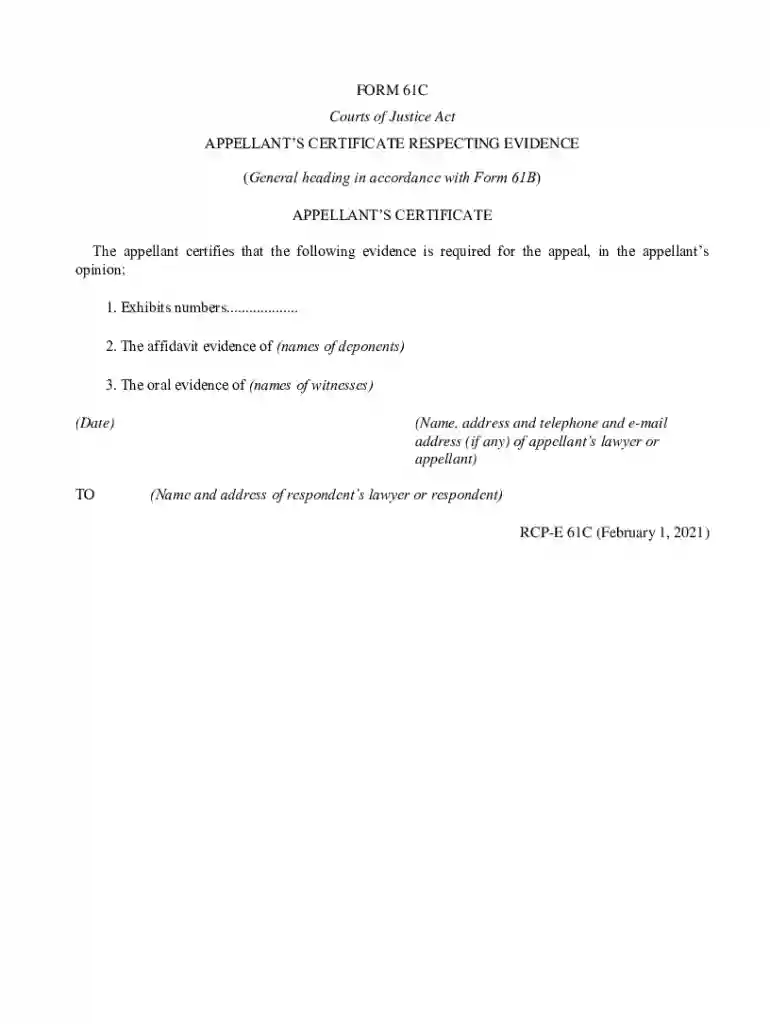
- Exhibits: Any physical evidence relevant to your case.
- Affidavit Evidence: Sworn statements that support the basis for the appeal.
- Oral Evidence Transcripts: If applicable, transcripts of oral evidence given in the initial proceedings.
Additional Documentation
- Include any additional documents deemed necessary by the legal body overseeing your appeal.
- Ensure documents are legible and correctly formatted to meet legal standards.
Steps to Complete the Form
Completing the "Part two: Starting an appealGuide to procedures in" form involves a structured process to ensure compliance and completeness. Here are the steps:
- Understand the Appeal Requirements: Familiarize yourself with all the requirements of your specific appeal process.
- Prepare Documentation: Collect all necessary documents as listed above.
- Accurate Completion of Form: Carefully fill in the required information, verifying accuracy.
- Review and Sign: Thoroughly review the completed form for any errors, and sign where necessary.
- Submit Form: Submit the form along with the required documents through the specified method for your jurisdiction.
Step-by-Step Example
- Step 1: Collect all available evidence and related documents.
- Step 2: Check the deadlines for submission to ensure timely filing.
- Step 3: Review the completed form with a legal advisor if possible.
Key Elements of the Form
Several key elements are crucial to the "Part two: Starting an appealGuide to procedures in" form, ensuring the appeal process is correctly initiated:
- Appellant Information: Personal and contact details of the appellant.
- Case Details: Identification of the case being appealed, including case number and original court/decision body.
- Grounds for Appeal: Detailed explanation of why the appeal is being filed and on what basis.
Importance of Each Element
- Accuracy: Ensures correct identification and processing of the appeal.
- Completeness: Avoids delays or rejection due to incomplete submissions.
Submission Methods
The form can be submitted via several methods, allowing flexibility depending on your circumstances:
- Online Submission: Many jurisdictions offer portals for electronic submission, which can expedite the process.
- Mail Submission: Physical forms can be mailed to the designated appeals office.
- In-Person Submission: Direct submission at the court or administrative office handling your appeal.
Advantages of Each Method
- Online: Quick, often provides instant confirmation of receipt.
- Mail: Suitable for those unable to access electronic submission systems.
- In-Person: Allows for direct interaction with court personnel if guidance is needed.
Legal Use and Compliance
Compliance with legal standards is crucial when using the "Part two: Starting an appealGuide to procedures in" form:
- Adherence to Legal Protocols: Ensures the appeal is properly filed and considered valid.
- Documentation Accuracy: Misrepresentations or inaccuracies can lead to legal consequences or appeal denial.
Key Compliance Areas
- Timeliness: Filing must occur within the specified legal time frame.
- Documentation: All required documents must be complete and accurately reflect the case details.
Examples of Use in Legal Contexts
Practical examples shed light on how the form integrates into broader legal scenarios:
- Civil Appeals: Used by individuals contesting civil court decisions, such as contract disputes.
- Criminal Appeals: Employed when appealing a criminal conviction or sentence.
- Administrative Appeals: Involving challenges to decisions made by government agencies, such as licensing boards.
Real-World Scenario
- Case Example: An individual appealing a denied disability claim would use this form to outline the basis for their appeal and submit relevant medical documentation.
By thoroughly covering all critical aspects of the "Part two: Starting an appealGuide to procedures in" form, this guide provides clear and actionable insights for anyone engaged in the appeals process. Following these structured steps and insights ensures compliance and enhances the likelihood of a successful appeal.