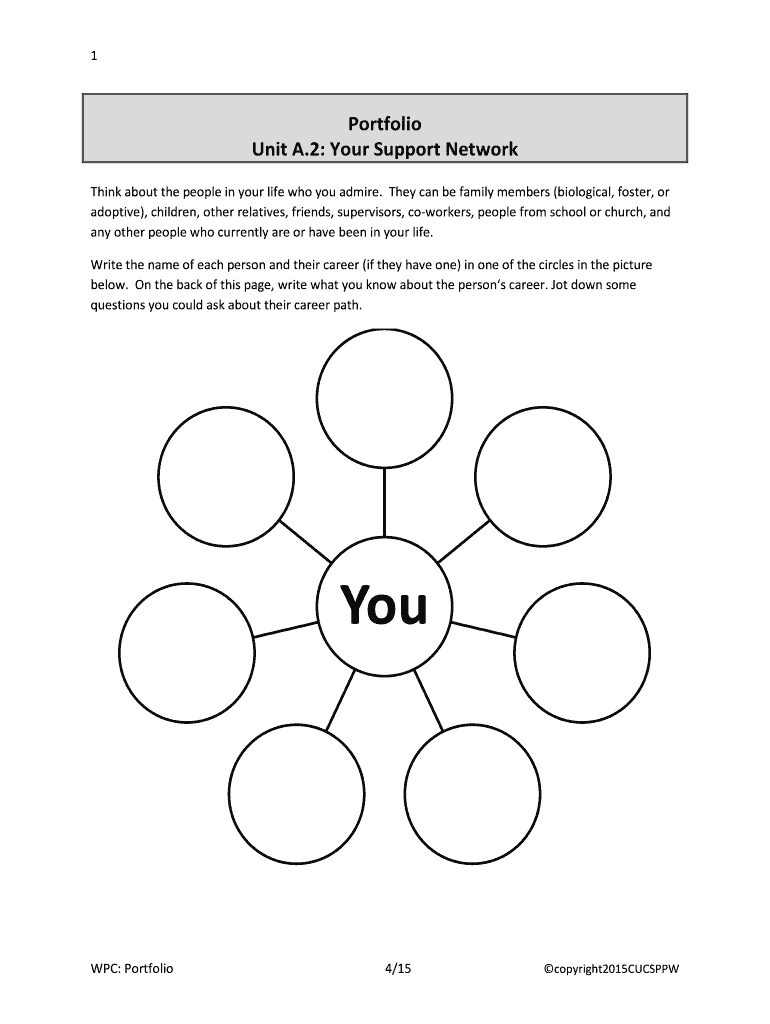







Definition and Purpose of the TAY Collaborative World of Work Curriculum
The TAY Collaborative World of Work Curriculum is an educational framework designed to equip young adults, particularly those transitioning out of the foster care system, with essential skills for successful workforce integration. This program focuses on bridging the gap between education and employment by providing practical knowledge and hands-on experience in various professional environments. It aims to foster career readiness, enhance interpersonal skills, and promote economic self-sufficiency among participants.
- Target Audience: Primarily designed for Transition-Age Youth (TAY), often encompassing individuals aged 16-24, who face unique challenges in entering the workforce.
- Core Objectives: Empower users with career planning resources, mentorship opportunities, and real-world applications of skills.
How to Obtain the TAY Collaborative World of Work Curriculum
Acquiring the TAY Collaborative World of Work Curriculum involves specific procedures to ensure that the materials are distributed to the right beneficiaries. Individuals or organizations interested in the curriculum must typically follow a standardized process that may vary slightly depending on the state or educational body involved.
- Contact Local Agencies: Engage with local educational institutions or workforce development agencies that collaborate with child welfare organizations.
- Formal Request: Submit a formal request that demonstrates eligibility and details how the curriculum will be utilized.
- Review and Approval: Await a review process, where the application is considered based on alignment with program objectives.
Key Elements of the TAY Collaborative World of Work Curriculum
The curriculum is composed of several fundamental elements, each crafted to deliver a comprehensive learning experience that adapts to the needs of young adults preparing for the workforce.
- Career Exploration Modules: Offers insights into various career paths, helping participants understand industry demands and job expectations.
- Skill Development Workshops: Provides training in areas such as communication, teamwork, and problem-solving.
- Internship Placements: Facilitates real-world work experience to reinforce classroom learning with practical applications.
Steps to Complete the TAY Collaborative World of Work Curriculum
Completing the TAY Collaborative World of Work Curriculum involves following a structured timeline and fulfilling specific course requirements. Adhering to this process ensures participants gain the full benefits of the program.
- Orientation and Enrollment: Attend an initial orientation session to understand program expectations and enroll officially.
- Module Participation: Engage in compulsory workshops and hands-on modules designed to build workplace competencies.
- Assessment and Evaluation: Undergo periodic assessments to evaluate progress and skill mastery.
- Internship Completion: Successfully complete an internship or work placement to gain practical experience.
Importance and Benefits of the TAY Collaborative World of Work Curriculum
Participating in the TAY Collaborative World of Work Curriculum offers multiple advantages that significantly impact the personal and professional growth of young adults.
- Skill Acquisition: Learners acquire both hard and soft skills critical for career readiness.
- Confidence Building: Participants develop increased self-confidence through guided learning and real-world practice.
- Career Pathways: The program opens up diverse career opportunities by connecting participants with industry mentors and potential employers.
Who Typically Uses the TAY Collaborative World of Work Curriculum
The curriculum is primarily used by organizations and individuals focused on youth development and workforce readiness. This includes:
- Educational Institutions: Schools and universities implement the curriculum within their career guidance programs.
- Nonprofit Organizations: Agencies dedicated to supporting young adults in transition utilize the curriculum to facilitate career education and preparation.
- Government Agencies: State and federal programs focused on child welfare and employment services adopt the curriculum for targeted interventions.


State-Specific Rules for the TAY Collaborative World of Work Curriculum
The implementation of the TAY Collaborative World of Work Curriculum may be subject to state-specific rules and guidelines, influencing how the program is adopted and adapted across different regions.
- Curriculum Adaptations: Some states offer tailored modules that address local job markets and industry needs.
- Regulatory Compliance: Ensure adherence to educational standards and regulations for youth programs.
- Funding and Support: Availability of state funding or grants can differ, impacting curriculum accessibility and reach.
Examples of Successful Use of the TAY Collaborative World of Work Curriculum
Real-world scenarios and success stories illustrate the tangible impact that the TAY Collaborative World of Work Curriculum can have on participants.
- Case Study in California: A group of former foster youth successfully transitioned to full-time employment after completing the program, highlighting increased rates of job placement.
- Testimonial from an Educator: Educators report improved engagement and motivation among students who participate in the curriculum's interactive modules and workshops.
Important Terms Related to TAY Collaborative World of Work Curriculum
Understanding the terminology associated with the TAY Collaborative World of Work Curriculum is crucial for both facilitators and participants.
- TAY (Transition-Age Youth): Refers to young individuals at the pivotal transition stage from dependence on state systems to independent adulthood.
- Workforce Readiness: The state of being prepared to meet the demands of the labor market.
- Interpersonal Skills: Personal attributes needed to effectively communicate, interact, and work with individuals and groups.