



01. Edit your form online
Type text, add images, blackout confidential details, add comments, highlights and more.

Type text, add images, blackout confidential details, add comments, highlights and more.

Draw your signature, type it, upload its image, or use your mobile device as a signature pad.

Send it via email, link, or fax. You can also download it, export it or print it out.
A certificate of origin and a veterinary health certificate are critical documents in international trade and animal transportation. The certificate of origin confirms the manufacturing country of exported goods, providing authenticity and tariff information. On the other hand, a veterinary health certificate verifies that animals, or products of animal origin, are free from diseases and comply with the health standards of the importing country. These certificates are essential for ensuring fair trade practices and animal health safety.
To obtain these certificates, businesses and individuals must follow specific processes:
These documents typically include several critical components:
Certificate of Origin:
Veterinary Health Certificate:
Completing these certificates involves a series of steps:
These certificates are used by:

The legal use of these certificates includes:
While the federal government oversees international health and trade regulations, individual states may have specific rules:
These certificates are applied in various scenarios:
By utilizing DocHub to manage these processes efficiently, businesses and individuals can streamline their document workflow, ensuring accuracy and compliance with international requirements.
At DocHub, your data security is our priority. We follow HIPAA, SOC2, GDPR, and other standards, so you can work on your documents with confidence.

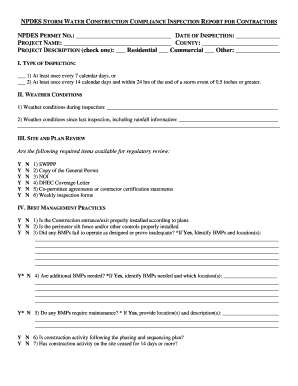
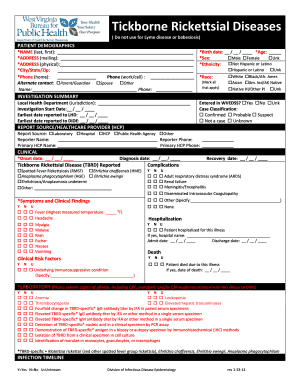


Veterinary Health Certificate issued by an Authorized Government (Veterinary Service in. District/Province of Origin);. 2. Export Recommendation issued by anRead more
6 days ago Use VEHCS to create, submit, and endorse health certificates online for exporting live animals internationally. Find helpful resources.
The term Health Certificate or Certificate of Veterinary Inspection (CVI) means a legible record, made on an official form of the state of origin, issuedRead more


