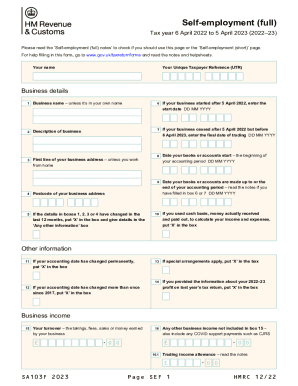
Definition & Meaning of Court Release Form
A court release form is a legal document used to authorize the disclosure or release of specific information, typically within the context of a legal proceeding. This form is integral in situations where one party needs to obtain or share sensitive details while ensuring compliance with privacy laws and regulations. The court release form often includes the identities of the parties involved, the type of information being released, and any restrictions on the release. This form is vital in maintaining transparency and protecting the rights of all parties involved in legal actions.
Key Features of a Court Release Form
- Identifying Information: Includes names, addresses, and contact details of the parties involved.
- Type of Information: Specifies the nature of the information to be released (e.g., medical, financial, personal).
- Purpose of Release: Outlines the reasons for the release and how the information will be used.
- Authorization: Provides legal consent from the individual whose information is being disclosed.
- Restrictions: Any limitations or conditions on the release or use of the information.
How to Use the Court Release Form
The court release form is utilized in legal settings to facilitate the exchange of protected information under specific, authorized conditions. To use the form, follow these steps:
- Review the Form: Before filling it out, review the entire document to understand requirements and clauses.
- Fill Out Personal Details: Enter the name and contact information of both the requester and the party releasing the information.
- Specify Information: Clearly detail what information is being released and for what purpose.
- Check for Restrictions: Note any restrictions or conditions that apply to the release.
- Sign: The individual authorizing the release must sign and date the document to validate consent.
Practical Example
For instance, during a legal case regarding disputed assets, one party might need to release financial records to the court using a court release form. The form details what accounts are reviewed and any restrictions on how financial data will be shared among interested parties.
Steps to Complete the Court Release Form
Completing a court release form requires attention to detail to ensure accuracy and compliance. Follow these guidelines:
- Gather Information: Collect necessary details such as names, contact information, and specifics about the documents or information being released.
- Accurately Complete Each Section: Fill in all required fields with careful attention to spelling, dates, and legal names.
- Review Legal Clauses: Understand consent, legal obligations, and potential repercussions of the release.
- Consult Legal Advice: If unclear, consult a legal professional to avoid errors or omissions that could invalidate the form.
- Submit Properly: Ensure the form is filed as per the prescribed method (email, mail, in-person submission) and retain a copy for records.
Who Typically Uses the Court Release Form
The court release form is typically used by individuals and entities involved in legal proceedings. This includes:
- Attorneys: To obtain evidence or confidential information legally.
- Healthcare Providers and Institutions: When medical records need disclosure in court cases.
- Government Agencies: In cases that require disclosure of personal or financial data.
- Financial Institutions: Handling confidential financial records presented as evidence.


Real-World Scenario
Suppose a healthcare provider needs to release patient records for a court case involving malpractice claims. The court release form would specify the patient information released, ensuring compliance with privacy laws and illustrating consent.
Legal Use of the Court Release Form
The court release form serves vital legal purposes, notably ensuring that information sharing complies with both statutory and ethical guidelines. It is instrumental in:
- Ensuring Compliance: Adhering to compliance requirements such as HIPAA for medical data or financial laws for fiscal information.
- Protecting Privacy: Clearly outlines the scope of data shared, maintaining the confidentiality of sensitive data.
- Facilitating Court Procedures: Streamlining processes where evidence is needed, without violating privacy norms.
Important Considerations
- The form should note any state-specific laws impacting the release.
- Use restrictive clauses to protect against misuse of information.
Key Elements of the Court Release Form
A comprehensive court release form will include several key elements to ensure its validity and enforceability:
- Statement of Consent: Clearly written consent from the individual authorizing the release.
- Scope of Information: Details what information is released and for what duration.
- Purpose and Use: Clarifies the purpose for which the information will be used.
- Contact Information of Parties: Ensures all relevant parties are correctly identified.
- Signature and Date: Confirms agreement and the date the document is executed.
State-Specific Rules for the Court Release Form
Different states may have variations in how court release forms are structured and enforced. Here are general aspects that differ:
- Jurisdictional Variations: Specific legal provisions vary by state, impacting how forms are drafted and used.
- Document Formatting: Detail-oriented requirements in formatting differ in certain jurisdictions.
- Data Protection Laws: Each state has specific limitations and allowances regarding data privacy and information sharing.
State-Specific Example
Ohio might require additional clauses under the Wayne County Common Pleas Court regulations, impacting the use or scope of a court release form that involves the release of medical records in legal diversions.
Important Terms Related to the Court Release Form
Understanding the legal terminology used within court release forms ensures accurate completion:
- Consent: Legal agreement from an individual allowing disclosure of personal data.
- Disclosure: The act of making private information known to third parties.
- Authorization: Formal permission granted through the form for information sharing.
Important Term Clarifications
- Consent vs. Authorization: Consent involves agreement, whereas authorization provides formalized legal permission, both equally necessary.
- Disclosure Restrictions: Limitations placed on the type, extent, and use of released information.
By providing a comprehensive overview, this structured content guides you through the nuanced and often complex world of court release forms, ensuring that you understand, complete, and utilize these documents effectively and compliantly.