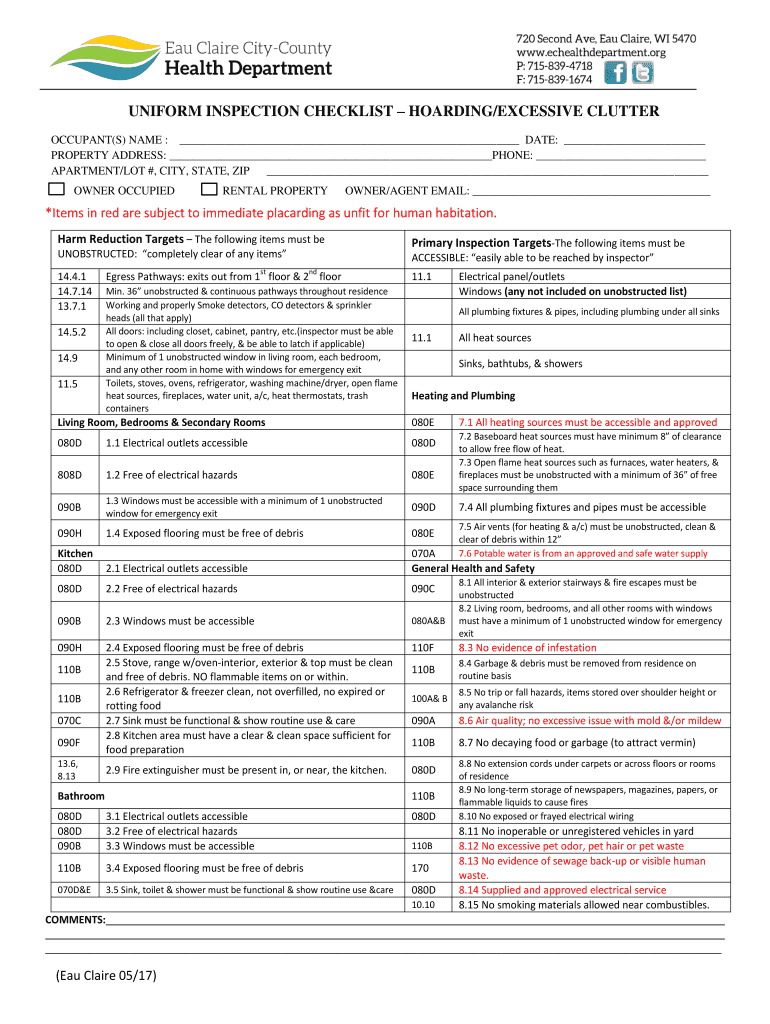







Understanding the Uniform Checklist Template
A uniform checklist template serves as a structured guide to ensure consistency in the inspection or preparation of uniforms. This tool is vital for organizations where uniformity in appearance is critical, such as the military, law enforcement, or hospitality industries. It helps maintain a standard of dress by outlining specific components that need to be checked, such as the condition of clothing items, compliance with uniform guidelines, and the presence of required accessories.
How to Use the Uniform Checklist Template
Using a uniform checklist template involves systematically going through each item on the list to confirm compliance with the required standards. Typically, the template includes:
- Description of Uniform Items: A detailed list of all clothing components that need inspection, such as shirts, trousers, belts, and shoes.
- Inspection Criteria: Specific guidelines for evaluating the condition and fit of each item.
- Compliance Status: Columns for marking whether each item meets the standards or requires attention.
- Comments Section: Space for additional notes or remarks about individual items.
The user should go through each line item, checking the physical appearance and condition of the uniforms, and record findings in the template.
Key Elements of the Uniform Checklist Template
The uniform checklist template comprises several crucial elements that ensure thorough and effective inspections:
- Uniform Description: Includes a visual or written description of the uniform.
- Measurement and Fit Standards: Guidelines for size and fit to ensure comfort and compliance.
- Condition Criteria: Inspects wear and tear, including fading, stains, or alterations.
- Care and Maintenance Instructions: Details cleaning and storage practices to maintain the uniform’s condition.
These components ensure the template covers all necessary aspects of uniform inspection.
Who Typically Uses the Uniform Checklist Template
The uniform checklist template is primarily used by personnel responsible for maintaining standards in professional attire. Common users include:
- Military Units: To enforce dress codes and ensure readiness.
- Corporate Security Teams: To maintain a professional appearance.
- Educational Institutions: For student uniform checks.
- Hospitality Industry: To ensure staff adhere to uniform guidelines.
Each of these sectors relies on the template to uphold a professional image and ensure operational consistency.


Important Terms Related to the Uniform Checklist Template
Understanding specific terminology is crucial for using the uniform checklist template effectively:
- Compliance: Refers to meeting the established uniform standards and guidelines.
- Inspection: The process of examining each uniform item for adherence to specified criteria.
- Deficiency: Any aspect of the uniform that does not meet set standards, requiring adjustment or replacement.
- Correction Plan: Measures taken to rectify any deficiencies noted in the checklist.
These terms are integral to navigating and completing the template accurately.
Why Should You Use a Uniform Checklist Template
Adopting a uniform checklist template offers numerous benefits, including:
- Consistency: Ensures that all inspections are conducted uniformly across the organization.
- Efficiency: Streamlines the inspection process, saving time and resources.
- Accountability: Records compliance, which helps in accountability and tracking improvement over time.
- Professionalism: Helps maintain a professional appearance that reflects positively on the organization.
The checklist template ensures an organization’s standards for dress and appearance are consistently met.
Steps to Complete the Uniform Checklist Template
Completing a uniform checklist template involves a systematic approach:
- Gather Materials: Assemble all uniform items scheduled for inspection.
- Review Guidelines: Familiarize yourself with the inspection criteria outlined in the template.
- Conduct Inspection: Examine each item, noting compliance with the standards in the template.
- Record Findings: Use the checklist to document the condition and compliance status of each item.
- Address Deficiencies: Develop correction plans for any items not meeting the standards.
- Finalize Report: Complete all sections of the checklist and submit it to the appropriate department for review.
Following these steps ensures an accurate and thorough uniform inspection process.
Variations and Alternatives to the Uniform Checklist Template
While the standard uniform checklist template is widely used, variations might better suit specific needs:
- Digital Checklists: Utilize software tools for real-time inspections and data entry.
- Customized Templates: Modify existing templates to include industry-specific guidelines or additional inspection criteria.
- Paper-Based Forms: For environments where digital tools are not feasible, traditional paper checklists may be suitable.
Each variant offers unique benefits, allowing organizations to select the tool that best fits their operational context.