Understanding the BA3 Form
The BA3 Form, officially known as the Certificate of Design Compliance, plays a critical role in the building approval process in various jurisdictions, including the United States. It is primarily associated with ensuring that building plans comply with specific standards set forth by building authorities under the Building Act of 2011 and subsequent regulations in place, such as the Building Regulations 2012. The BA3 Form is a validation tool for developers, architects, and construction professionals to demonstrate adherence to prescribed design and safety criteria.
Definition and Purpose
The BA3 Form serves as an official certification that a building project complies with the necessary design standards. It is typically utilized by building surveyors and compliance professionals to certify that all elements of a construction plan meet the relevant legal and technical requirements, ensuring the safety and viability of a building structure. This certification is crucial before moving forward with construction or receiving approval from permit authorities.
How to Use the BA3 Form
The usage of the BA3 Form involves several critical steps. Initially, the form must be completed by a registered building surveyor or a similarly qualified professional. This involves certifying that the building design plans are in accordance with existing codes and regulations. Once completed, the form is submitted as part of the documentation required for building approval applications.
- The completed form must clearly outline compliance with specific regulations, such as structural integrity, safety standards, and design codes.
- It should be submitted alongside architectural drawings and any other relevant documents.
- The submission process is typically integrated into the broader application workflow for building permits.
Obtaining the BA3 Form
Acquiring a BA3 Form generally involves engaging with local building authorities or accessing it through official governmental websites. The form is made available to registered professionals who are tasked with the responsibility of certifying building designs.
- Professionals should ensure their registration with the relevant building authority for access.
- It may also be available through licensed software platforms used for preparing and managing construction documentation.
Steps to Complete the BA3 Form
Completing the BA3 Form is a detailed process that requires technical expertise and familiarity with current building regulations. Key steps include:
- Review the Construction Plans: Examine architectural details against regulatory standards.
- Evaluate Compliance: Verify that design elements meet safety, structural, and design criteria.
- Document Compliance: Clearly indicate areas of compliance and note any modifications required.
- Final Certification: Sign off on the form once all sections satisfy regulatory standards.
Key Elements of the BA3 Form
The BA3 Form comprises several critical elements, each designed to ensure thorough compliance with building codes. Important sections include:
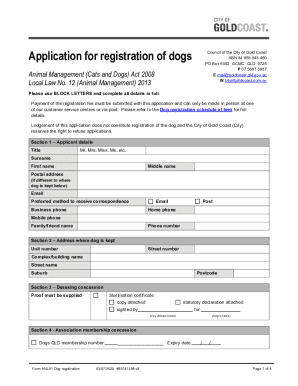
- Project Details: Identifying the project, including location and scope.
- Design Specifications: Highlighting the design codes and regulations applicable to the project.
- Surveyor Information: Details about the surveyor, including credentials and certification.
- Compliance Statements: Assertions confirming that the project meets all necessary design and safety criteria.
Legal Use and Compliance
The legal use of the BA3 Form is tied to compliance with regional building codes and regulations. The form provides a legally recognized statement of compliance, essential for obtaining building permits.
- Non-compliance with form requirements can result in project delays or rejection of applications.
- Legal usage mandates that the form be completed by a qualified professional to ensure accuracy and authenticity.
Examples of Using the BA3 Form in Practice
Real-world scenarios, such as constructing a new residential development or renovating a commercial space, often necessitate the use of this form. For instance:
- Residential Apartment Building: Before starting construction, developers must submit a BA3 Form to confirm adherence to safety standards.
- Commercial Renovation: Businesses remodeling office spaces may need to update their design compliance via the BA3 Form to align with updated fire safety codes.
State-Specific Rules for the BA3 Form
While the BA3 Form standardizes design compliance, variations can occur based on state-specific regulations or enhancements to national building codes.
- Some states may require additional documentation or verification processes that complement the BA3 Form.
- Adhering to localized rules may necessitate consultation with state-specific regulatory bodies or professionals familiar with regional requirements.
By understanding the comprehensive process and essential aspects of the BA3 Form, construction professionals can efficiently navigate compliance standards, thereby facilitating smoother project development and approval processes.