Definition and Purpose of the Researcher Guide for Using Study Review Worksheets
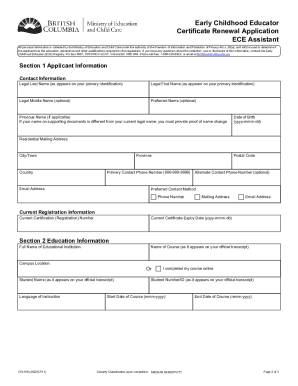
The Researcher Guide for Using Study Review Worksheets serves as a vital resource for researchers, particularly those involved with psychology at the University of British Columbia (UBC). It is designed to offer a comprehensive framework for effectively utilizing study review worksheets in academic and practical settings. This guide aids researchers in systematically evaluating their studies, ensuring thorough documentation, and facilitating peer reviews. By providing structured methodologies, the guide enhances the clarity and impact of research findings.
Overview of Study Review Worksheets
Study review worksheets help researchers organize, evaluate, and critique research data. They are integral in maintaining consistency across studies, offering a standardized approach to documentation and analysis. The focus is on improving data accuracy and insights, which are crucial for achieving high-quality research outcomes.
Benefits of Using the Researcher Guide
- Consistency and Standardization: Provides templates and instructions for uniformity in research documentation.
- Improved Analysis: Enhances critical evaluation skills through guided questions and structure.
- Efficiency: Streamlines the process of conducting research reviews, saving time for researchers.
- Quality Assurance: Contributes to higher quality and more reliable research findings.
Steps to Complete the Researcher Guide
Completing the Researcher Guide for Using Study Review Worksheets involves several detailed steps to ensure comprehensive utilization:
- Familiarization with the Guide: Start by thoroughly reading the guide to understand its components and intended use.
- Preparation of Worksheets: Gather all necessary materials and data that will be included in the study review.
- Initial Data Entry: Populate the review worksheets with preliminary data and relevant information.
- Critical Analysis: Evaluate the data using the guide’s structured prompts and questions.
- Peer Review: Collaborate with colleagues for additional insights and validation of findings.
- Revision and Finalization: Make necessary revisions based on feedback and finalize the documentation.
Detailed Analysis Procedures
- Data Entry: Adhere to specified formats to ensure clarity and consistency.
- Checklist Utilization: Follow the guide’s checklists to ensure all critical elements are covered.
- Feedback Mechanisms: Implement peer reviews as suggested by the guide to enhance reliability.
Key Elements of the Researcher Guide
The guide encompasses several key elements crucial for comprehensive research evaluation:
- Structured Formats: Templates for various types of research studies.
- Evaluation Criteria: Standardized criteria to assess the quality and impact of research studies.
- Documentation Processes: Guidelines for accurate and thorough documentation of all research phases.
- Feedback Integration: Methods for incorporating external reviews and criticisms effectively.
Important Sections in the Guide
- Introduction to Research Protocols: Detailed explanation of required protocols and methodologies.
- Data Analysis Techniques: Step-by-step instructions on employing different analysis methods.
- Review and Reflection: Space for reflective notes and evaluation outcomes.
Who Typically Uses the Researcher Guide
The Researcher Guide for Using Study Review Worksheets is primarily targeted at academic researchers and students involved in psychological studies at UBC. However, its comprehensive approach also makes it applicable for researchers in other scientific disciplines seeking a structured method for data evaluation.


Typical User Profiles
- Academic Researchers: For ensuring methodological rigor in studies.
- Graduate Students: As a learning tool for mastering research evaluation skills.
- Lecturers and Professors: To guide students in research projects and paper submissions.
How to Obtain the Researcher Guide
Researchers can access the guide through several avenues at UBC or psychology-related departments:
- UBC Psychology Department: Available directly through departmental resources or faculty advisors.
- Online Portals: Accessible on UBC’s official website or through affiliated research platforms.
- Physical Copies: Distributed during workshops and seminars related to research methodologies.
Examples of Utilizing the Guide
Effective utilization of the Researcher Guide can be illustrated through several scenarios:
- Case Study Analysis: Applying the guide to dissect complex case studies in a structured manner.
- Quantitative Research Evaluation: Utilizing the worksheet templates for organizing and analyzing statistical data effectively.
- Collaborative Projects: Engaging multiple researchers to input data and insights to achieve comprehensive reviews.
Scenario-Based Examples
- Graduate Thesis Preparation: Employing the guide for systematic thesis development, from hypothesis formation to conclusion.
- Research Paper Submissions: Ensuring compliance with journal standards by using the guide for initial evaluations and revisions.
Versions and Alternatives to the Guide
While the Researcher Guide is a robust tool, researchers might also seek alternative or complementary resources to enhance their study reviews:
- Digital Templates: Available for integration with software like Google Workspace for ease of data entry and collaboration.
- Alternative Guides: Other university or commercial research guides may offer additional perspectives or methodologies.
- Online Tutorials: Workshops and webinars that offer step-by-step guidance on using the guide and related tools effectively.
Choosing the Right Version or Alternative
- Compatibility with Research Needs: Ensure the guide or alternative aligns with your specific research focus.
- Integration with Technology: Look for versions that can integrate seamlessly with digital tools to enhance workflow.
By comprehensively understanding and utilizing the Researcher Guide for Using Study Review Worksheets, researchers can significantly enhance the effectiveness and reliability of their studies. Through structured methodologies and detailed instructions, this guide serves as an invaluable resource in the academic community.