







Understanding the Planned Parenthood Proof of Pregnancy Form
The Planned Parenthood proof of pregnancy form serves as a vital documentation tool for individuals who need verification of a pregnancy. This document may be required in various scenarios, including for health services, school, or employment purposes. The form confirms the results of a pregnancy test performed at a Planned Parenthood facility, establishing the date and nature of the pregnancy.
Importance of the Proof of Pregnancy Form
A proof of pregnancy form from Planned Parenthood is essential for several reasons:
-
Healthcare Access: This documentation can be necessary to access certain prenatal care services. Health providers require proof of pregnancy for patient enrollment and care planning.
-
Educational Requirements: Many educational institutions will ask for pregnancy verification to make accommodations for students who may need special support or resources.
-
Insurance Documentation: Health insurance plans may require confirmation of pregnancy to initiate coverage for prenatal visits, medications, and other related healthcare services.
Providing a clear and recognized proof of pregnancy can facilitate smoother interactions with healthcare providers and institutions.
Types of Pregnancy Tests at Planned Parenthood
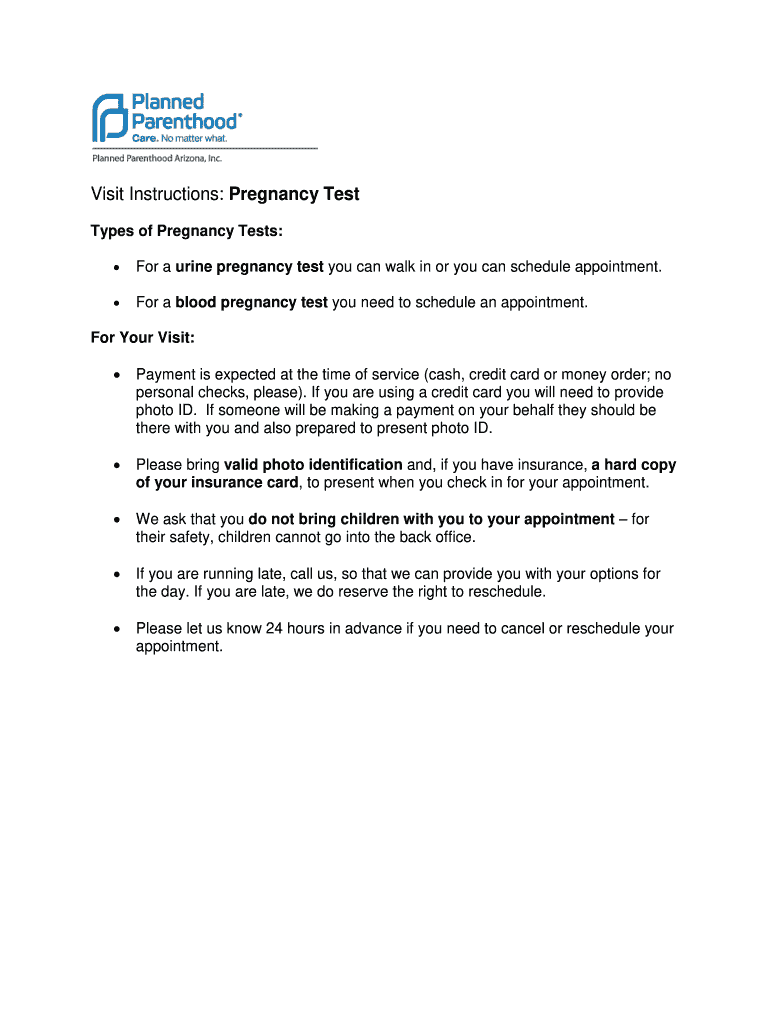
Planned Parenthood offers various pregnancy tests to confirm a pregnancy. Understanding these options helps clarify what the proof of pregnancy form may entail:
-
Urine Pregnancy Test:
- A simple, private test that can produce results within minutes.
- Typically conducted at the clinic.
-
Blood Pregnancy Test:
- More sensitive than urine tests and may detect pregnancy earlier.
- Requires blood sampling, often resulting in a longer wait for results.
Clients may choose between these options based on their comfort level and specific medical needs.
Appointment Requirements for Pregnancy Testing
To obtain a proof of pregnancy form, certain procedures must be followed when scheduling an appointment.
-
Scheduling an Appointment:
- Clients can book a visit online or via phone.
- It is advisable to check if the local clinic has specific requirements for walk-in visits.
-
Identification and Documentation:
- A form of identification is often needed at the time of the appointment.
- Insurance information, if applicable, should also be brought along.
-
Payment Information:
- Costs vary based on the test type and location.
- Information regarding payment plans or sliding scale fees might be available for eligible individuals.
Clients should confirm these details when booking their appointment to ensure a smooth visit.
Completing the Planned Parenthood Proof of Pregnancy Form
Once testing is completed, the clinic will provide a proof of pregnancy form. This form contains several key elements:
- Personal Information: Name, date of birth, and contact information.
- Test Details: Type of pregnancy test conducted, date, and result of the test.
- Provider Information: Name and credentials of the healthcare provider who conducted the test.
- Signature: A signature from the provider may be required to ensure the document's authenticity.
Having accurate information on this form is vital for its acceptance by other institutions, whether for medical, educational, or insurance purposes.
Using the Proof of Pregnancy Form
The proof of pregnancy form can be utilized in various ways, depending on individual needs:
- Presenting to Healthcare Providers: To begin prenatal care or consult regarding pregnancy options and health.
- Educational Institutions: When applying for accommodations in school or requesting maternity leave.
- Insurance Companies: To ensure coverage for pregnancy-related healthcare services.
Clients should retain a copy of the proof of pregnancy form for their records, as it can be needed multiple times throughout the pregnancy cycle.
What to Expect After Receiving the Form
Upon receiving the proof of pregnancy form, clients may want to consider the following next steps:
- Follow-Up Care: Schedule regular prenatal check-ups with a healthcare provider.
- Educational Adjustments: Communicate with school administration regarding any necessary adjustments to academic plans.
- Understand Rights and Options: Familiarize oneself with available options and legal rights concerning pregnancy in various contexts (e.g., workplace, school).
Awareness of these aspects can empower individuals to make informed decisions during their pregnancy journey.
Conclusion
The Planned Parenthood proof of pregnancy form is a crucial document that serves multiple purposes, from healthcare access to educational accommodations. Understanding the processes involved in obtaining and utilizing this form can enhance experiences and ensure that individuals receive the necessary support throughout their pregnancy.




