Understanding the Definition & Meaning of the Application Form Filled
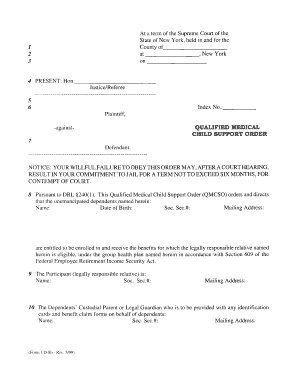
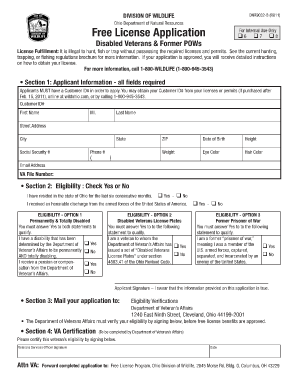
An "application form filled" refers to a completed document submitted for a specific purpose, such as admission to an educational institution, application for a job, or request for services. This form typically contains various sections where applicants provide their personal information and other relevant data required by the issuing entity. The process involves gathering accurate information, understanding the requirements, and ensuring all fields are correctly completed to avoid rejection or delays.
Common Components of an Application Form
- Personal Information: Includes full name, contact details, and date of birth.
- Educational Background: Details about schooling, certifications, and qualifications.
- Employment History: Previous jobs, roles, and references.
- Additional Information: Cover letters, statements of purpose, or specific questions related to the application context.
Purpose and Use Cases
- Academic Admissions: Used by students applying to colleges or universities.
- Job Applications: Employed by human resources departments to assess candidates.
- Licensing Procedures: Required for professional certification or licensure processes.
How to Use the Application Form Filled
Utilizing a filled application form effectively involves thorough review and submission in accordance with provided instructions. Whether applying for a job or an educational program, the process ensures all necessary details are accurately captured.
Step-by-Step Instructions for Using the Form
- Review the Instructions: Carefully read any guidelines provided with the form to understand what is needed.
- Gather Required Information: Collect all necessary documents and data before starting the application process.
- Complete Each Section: Fill in the form as per the instructions, ensuring all fields are accurately completed. Use clear and concise language.
- Check for Errors: Double-check entries for errors or omissions.
- Submit the Form: Follow submission instructions, whether online, by mail, or in person. Ensure you receive confirmation of receipt if applicable.
Examples of Effective Use
- Job Applications: Ensuring a complete and error-free submission can improve chances of landing an interview.
- School Admissions: Accurate completion helps schools evaluate applicants on the basis of merit and qualification.
Steps to Complete the Application Form Filled
Completing an application form filled involves several critical steps to ensure a thorough and correct form submission. Accuracy and attention to detail are paramount to avoid rejections or delays.
Detailed Process Breakdown
- Review Any Pre-Filled Information: If applicable, check any pre-filled fields for accuracy.
- Follow Logical Order: Start from the beginning of the form and proceed systematically to prevent skipping sections.
- Consult Available Resources: Access any help guides or FAQs provided with the form to clarify doubts.
- Seek Assistance: Reach out to the issuing agency if uncertainties arise regarding specific sections.
- Verify Compliance: Ensure all fields are completed in a manner compliant with form requirements.
Practical Scenario: School Admission
- Personal Details: Accurately input all personal information to match identification documents.
- Reference Sections: Complete character references as per the application's guidelines.
Why Should You Fill Out the Application Form
Filling out an application form is an essential step for securing desired opportunities, whether in academics, employment, or services. It provides a structured and standardized way to present relevant personal information to the appropriate authorities.
Key Advantages of a Properly Filled Form
- Demonstrates Interest and Commitment: Shows dedication to the opportunity being sought.
- Facilitates Fair Evaluation: Standardizes the assessment process by providing all applicants with the same platform.
- Enables Efficient Processing: Streamlines data collection and evaluation for institutions or organizations.
Real-Life Example: Job Market
- Showcase Skills and Achievements: Completes fields related to skills, experiences, and other qualifications effectively.
Important Terms Related to Application Form Filled
Understanding specific terms is crucial when completing application forms to ensure accuracy and compliance. These terms often relate to the fields and requirements specified in the form.
Glossary of Common Terms
- Applicant: The individual or entity submitting the form.
- Signature Field: Area designated for signing the form to verify authenticity.
- Reference: A person who can vouch for an applicant's credentials.
- Submission Deadline: The last date by which the form must be submitted.
Usage in Context
- Educational Applications: Key terms related to academic records, such as GPA or class rank.
- Professional Applications: Terms like references, cover letters, and portfolios are frequently encountered.
Legal Use of the Application Form Filled
Legal considerations are vital when submitting filled application forms to ensure data protection and compliance with regulations. Understanding the legal implications can safeguard against potential liabilities.
Legal Frameworks Governing Usage
- Data Privacy Laws: Protect personal information included in forms from misuse or unauthorized access.
- ESIGN Act Compliance: Ensures electronic signatures on forms are legally binding.
- Identity Verification: Legal requirement for confirming applicant information accuracy.
Practical Application: Employment Sector
- Non-Compliance Risks: Legal action for falsified information or failure to adhere to guidelines.
- Confidential Information: Protects sensitive data submitted during the hiring process.
Key Elements of the Application Form Filled
Comprehending the critical components of an application form is essential to ensure it serves its intended purpose effectively.
Essential Components
- Identification Section: Name, address, and contact information must be precisely documented.
- Qualification Section: List certifications, degrees, and relevant experience comprehensively.
- Sign-off Section: Final review and signature required to validate information provided.
Document Layout and Arrangement
- Clear Labels and Instructions: Each section must have clear, easy-to-follow labels and instructions.
- Document Design: Well-structured format aids in efficiently guiding the completion process.
Form Submission Methods (Online / Mail / In-Person)
Submitting a completed application form involves choosing the appropriate method based on the instructions provided by the organization or entity. Each method has its advantages and potential limitations.
Available Submission Methods
- Online Submission: Fast and trackable; often preferred due to convenience.
- Mail Submission: Requires physical copies, allowing for tangible documentation but involving mail delays.
- In-Person Submission: Offers direct confirmation but may require travel.
Considerations for Each Method
- Attachments: Ensure all required attachments accompany the submission, especially for mail and in-person methods.
- Receipt Verification: Always request a confirmation receipt where applicable to confirm successful submission.
- Deadline Adherence: Choose a method that ensures timely submission before the deadline.
Filing Deadlines / Important Dates
Understanding and adhering to filing deadlines is crucial when filling application forms to avoid missed opportunities and ensure timely processing.
Importance of Deadlines
- Ensures Consideration: Timely submissions are critical for consideration in competitive processes.
- Prevents Backlogs: Adhere to deadlines to prevent administrative delays for the processing entity.
- Facilitates Planning: Enables both parties to plan for subsequent steps in the application process efficiently.
Example Case: University Admissions
- Standard Application Periods: Widely publicized application windows requiring strict adherence.
- Rolling Deadlines: Flexible submission dates for ongoing programs or initiatives.
By incorporating these guidelines, applicants can ensure a complete and compliant submission of their application forms, enhancing their chances of achieving the desired outcome.