



01. Edit your family group sheets printable online
Type text, add images, blackout confidential details, add comments, highlights and more.

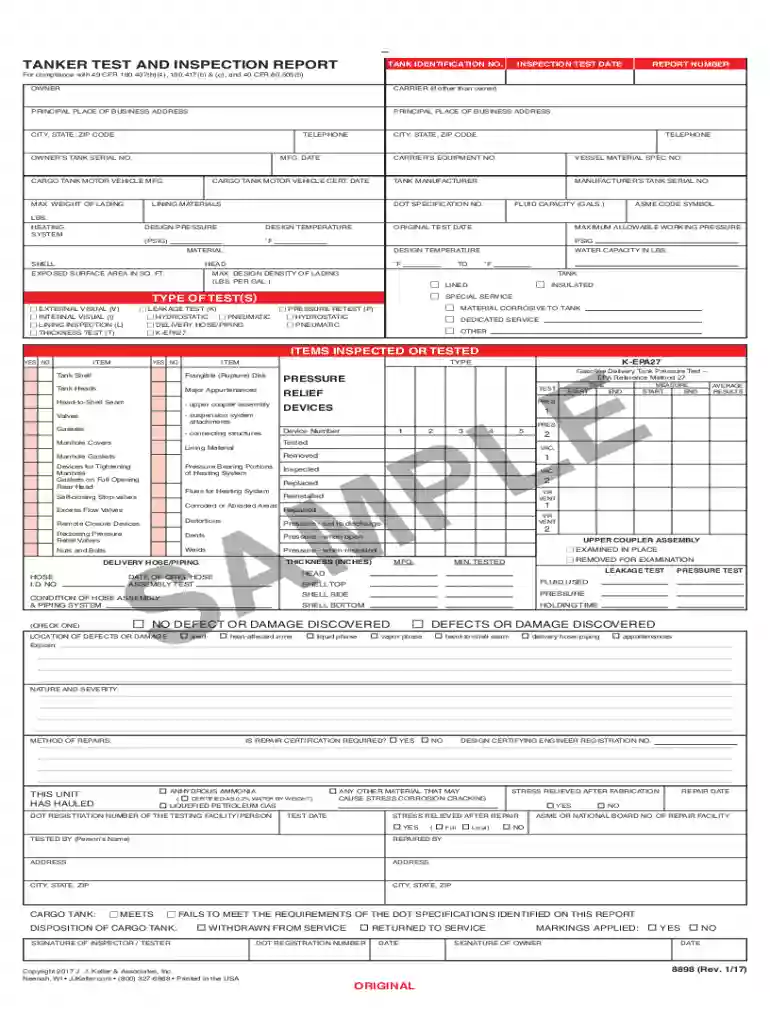
Type text, add images, blackout confidential details, add comments, highlights and more.

Draw your signature, type it, upload its image, or use your mobile device as a signature pad.

Send family group sheet pdf via email, link, or fax. You can also download it, export it or print it out.
Family group sheets are genealogical documents used to record detailed information about a family unit. Typically, they include essential data such as names, birth, marriage, and death dates for parents and their children. They may also capture other relevant details, like occupation, locations, and connections to historical records such as census data or military service. These forms allow genealogists to keep track of various family units and understand family relationships over generations, making them invaluable to anyone conducting family history research.
Using printable family group sheets effectively involves a systematic approach:
Gather Information: Begin by collecting data on the family unit you wish to document. This includes personal details such as full names and life events, along with any available documentation like birth certificates or marriage records.
Fill Out the Form: Start with data for the head of the family and their spouse. Progressively add details for each child, including birth order which helps maintain an accurate family chronology.
Supplementary Data: Incorporate additional fields for notes on occupations, significant achievements, or migrations. This information can provide context and assist in connecting families across records.
Cross-Reference: Use the sheets to cross-reference details with other family group sheets or genealogical data to identify potential errors or missing links.
Organize: Store completed sheets in a physical or digital binder for easy retrieval and further analysis.
Family group sheets are typically available through various genealogical organizations and online resources. To access printable versions:
Genealogical Societies: Many local and national genealogical societies provide downloadable forms through their websites. These versions are often tailored to meet the needs of their members.
Libraries and Archives: Some public institutions offer printed forms in their reference sections, useful for in-person visits.
Online Platforms: Websites specializing in genealogy, such as family history centers and archival services, often offer free, printable templates.
Software Tools: Certain genealogical software systems allow users to generate and print family group sheets directly, ensuring compatibility with their database entries.
Filling out a family group sheet requires accuracy and attention to detail. Here's a step-by-step guide:
Identify the Family Unit: Select the family group you wish to document and start with the patriarch or matriarch.
Complete Parent Details:
List Children:
Additional Records Section:
Review and Verify: Cross-check the information with other records to ensure precision and completeness.
Family group sheets offer numerous benefits for genealogical research:
Clarity: Structurally organize complex family data for easier analysis.
Record-Keeping: Establish a consistent format for documenting family history which can be expanded or adjusted as more information becomes available.
Research Aid: These sheets can serve as a reference point when exploring new genealogical avenues, helping to streamline the research process.
Historical Context: Provide insight into familial patterns and the socio-economic conditions of the time for better context and understanding of ancestors' lives.
Family group sheets are used by a diverse set of individuals and groups:
Genealogists: Professionals who research family histories as part of their work use these sheets to track and organize data efficiently.
Family Historians: Enthusiasts and hobbyists who embark on personal or familial genealogical projects often rely on family group sheets for documentation.
Educational Institutions: Schools and universities offering courses in history or genealogy may use these as teaching tools for student projects.
Libraries and Archives: As part of public resources, these institutions may maintain collections of completed family group sheets for public knowledge and research facilitating.
Understanding the components of a family group sheet can aid in its completion and usefulness:
Header Section: Contains basic identifiers like family name and record number for organization.
Parent Details: Spaces for detailed parental information, usually occupying significant page space.
Children’s Section: Allocates rows for children's data, with customizable fields for additional details.
Marital Information: Includes sections for marriage date/place and spouse details if applicable.
Source Citations: Areas to record the origins of information for verification and future reference.
Real-world scenarios highlight the versatile application of family group sheets:
Tracing Ancestry: Individuals may use these sheets to discover ancestors' migration paths or ancestral origins.
Legal Purposes: Sometimes required to prove lineage for inheritance or property claims.
Reunion Planning: Families may utilize these sheets when planning reunions to familiarize extended members with familial connections.
Record Preservation: Families wishing to preserve their heritage might compile comprehensive sheets for historical archives or family libraries.
Exploring family group sheets printable thus opens many doors for both amateur and seasoned genealogists, with structure and consistency ensuring a clear view of familial legacies.
At DocHub, your data security is our priority. We follow HIPAA, SOC2, GDPR, and other standards, so you can work on your documents with confidence.



The status sheet contains information about the printer, the current settings. Follow the steps below to print a status sheet. For Windows users. 1. Click
Family Group Sheet. Husband. Occupation(s). Date. Place. Immigration. Born. Naturalization. Christened. Military Service. Died. Cause of Death. Buried. Date of


