




01. Edit your form online
Type text, add images, blackout confidential details, add comments, highlights and more.

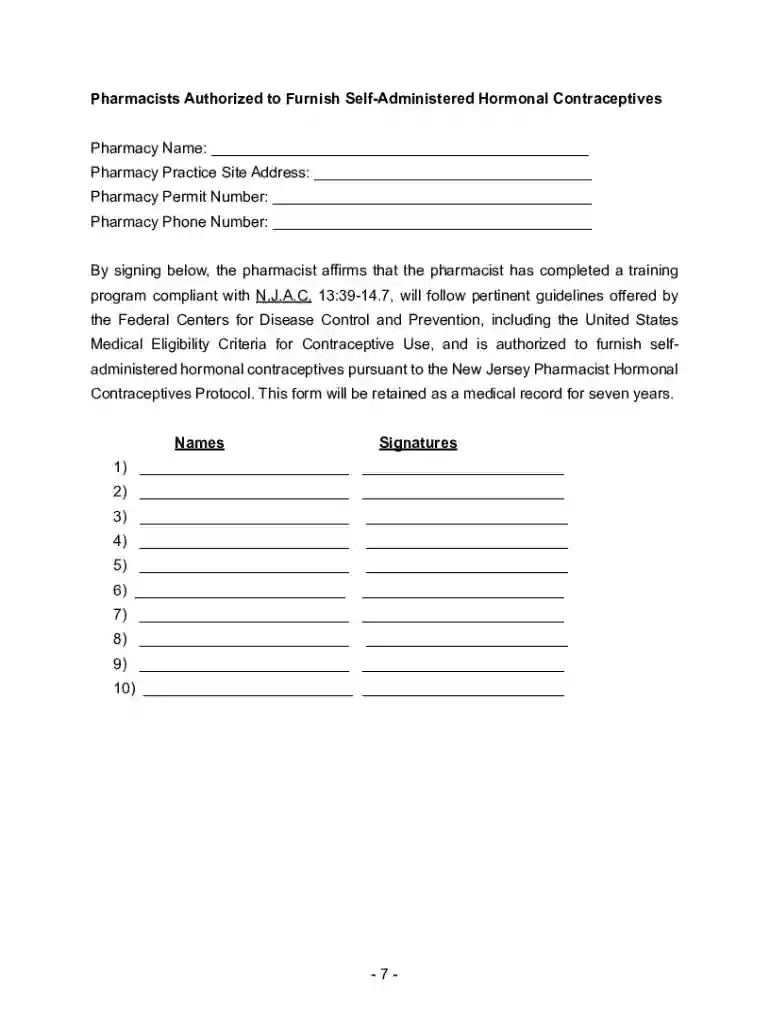
Type text, add images, blackout confidential details, add comments, highlights and more.

Draw your signature, type it, upload its image, or use your mobile device as a signature pad.

Send it via email, link, or fax. You can also download it, export it or print it out.
The Pharmacist Hormonal Contraceptives Protocol refers to guidelines that empower pharmacists to provide self-administered hormonal contraceptives without requiring a physician's prescription. Developed to increase access to contraceptives and enhance patient safety, the protocol outlines the specific procedures pharmacists must follow. These steps ensure compliance with medical standards while making contraceptives more accessible to the public. The protocol includes detailed instructions on patient screening, counseling, and the types of contraceptives pharmacists can dispense.
The protocol is comprehensive and covers various key elements essential for pharmacists to adhere to:
This protocol is primarily used by licensed pharmacists who have undergone the necessary training to furnish hormonal contraceptives. It also benefits healthcare organizations, pharmacy chains, and independent pharmacies aiming to enhance their service offerings. Additionally, patients seeking convenient access to contraceptives without the need for a doctor’s visit often utilize this service, ensuring they receive timely and knowledgeable support.


The protocol operates under state-specific legal frameworks that define the scope of the pharmacist's authority in dispensing hormonal contraceptives. These laws ensure that pharmacists adhere to credible standards and protect patients' rights. Pharmacists must comply with state health regulations and ensure all practices align with federally mandated health guidelines.
State regulations may vary, impacting how the protocol is implemented across different regions:
Understanding these variations is crucial for pharmacists looking to implement the protocol effectively within their jurisdiction.
Using the protocol offers numerous advantages, including:
The process of implementing the protocol involves several stages:
Understanding key terminology enhances the protocol's effectiveness:
This structured content provides comprehensive coverage of the Pharmacist Hormonal Contraceptives Protocol, ensuring clarity, utility, and relevance for pharmacists and interested stakeholders.
At DocHub, your data security is our priority. We follow HIPAA, SOC2, GDPR, and other standards, so you can work on your documents with confidence.
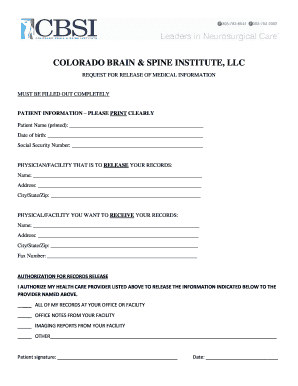
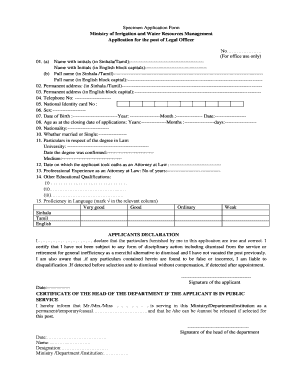

The hormonal contraceptive protocol was developed collaboratively by the Colorado Department of. Public Health and Environment, the Colorado Board of
Combined Hormonal Contraceptives (CHCs) are contraceptives using a combination of estrogen and progestin. Some examples of CHC are Combined Oral
Jan 13, 2023 Pharmacists may furnish the following self-administered hormonal contraceptives pursuant to this Protocol: 1. Combined oral contraceptive pill;.


