Definition & Meaning
The Community Health Worker Pediatric Asthma Home Visiting program is an initiative that involves trained health workers providing in-home support to families with children suffering from asthma. The primary goal is to manage asthma symptoms effectively and educate families about triggers, medications, and emergency response. This program plays a crucial role in reducing asthma-related hospital visits and enhances the quality of life for children with asthma.
Key Objectives and Benefits
- Education and Awareness: Families are educated about asthma triggers, which can include dust, pet hair, or pollen. This knowledge helps in creating a safe home environment for the child.
- Medication Management: The program ensures that caregivers understand how to administer asthma medications properly, including inhalers and nebulizers.
- Emergency Preparedness: Families receive training on identifying severe asthma symptoms and executing an emergency action plan.
- Personalized Care: Health workers tailor their guidance to each family's specific needs, considering cultural, economic, and environmental factors unique to their situation.
How to Use the Community Health Worker Pediatric Asthma Home Visiting
Engaging with the Community Health Worker Pediatric Asthma Home Visiting program involves several steps, ensuring families can fully utilize the resources offered.
- Initial Contact: Families can be referred to the program by healthcare providers or can contact the service directly through health organizations offering community health worker support.
- In-Home Visits: These are arranged based on the family's schedule and can vary in frequency depending on the severity of the child's asthma.
- Follow-Up: After initial visits, health workers maintain contact to monitor the child's progress and adjust care plans as necessary.
- Resource Access: During visits, families are guided on how to access additional resources such as local support groups or financial aid for medications.
Steps to Complete the Community Health Worker Pediatric Asthma Home Visiting
Completing the form for the Home Visiting program requires specific steps to ensure all necessary information is accurately provided.
- Gather Personal Information: Collect all relevant data about the child, including medical history and current asthma management plans.
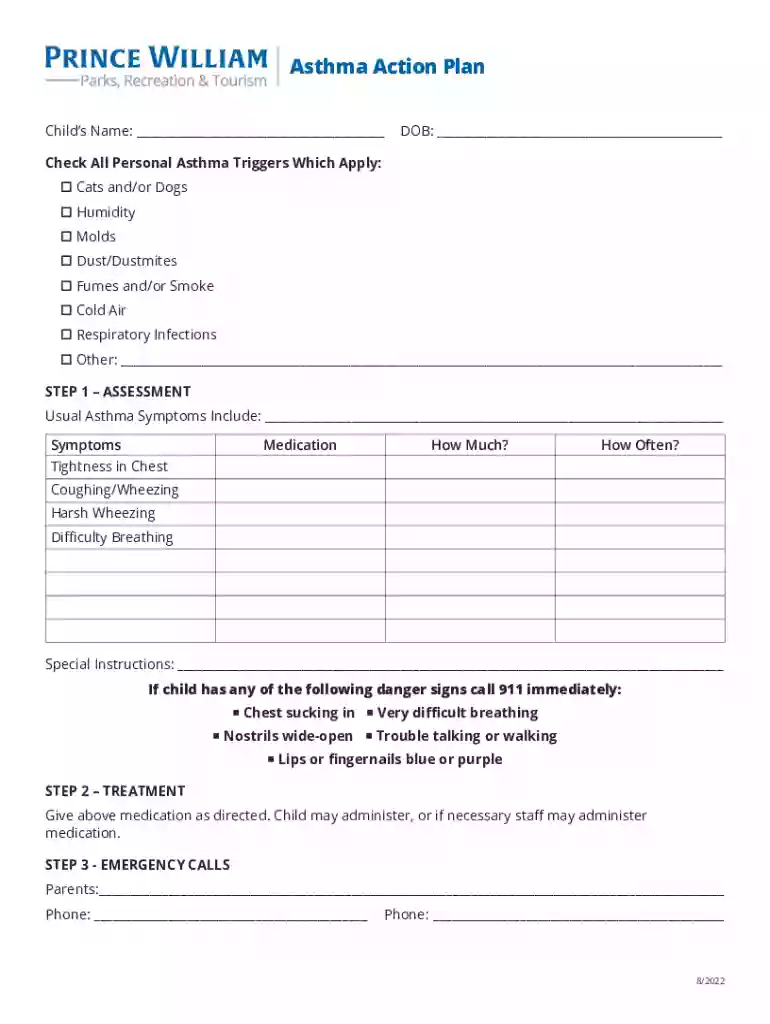
- Identify Triggers and Symptoms: Record known asthma triggers and typical symptoms experienced by the child.
- Outline Emergency Contacts: List contact details for all emergency contacts, including family members and medical professionals.
- Detail Current Medications: Provide a comprehensive list of all medications the child is using, including dosages and administration schedules.
- Submit the Form: Forms can be submitted through healthcare providers, online platforms, or during the initial visit by a community health worker.
Characteristics of Typical Users
- Families with Repeated Hospital Visits: Those experiencing frequent emergency room visits due to asthma exacerbations find this program beneficial.
- Low-Income Families: The program provides critical support to those who might not afford specialized asthma care.
- Non-English Speaking Households: Community health workers often offer multilingual support, making the program accessible to diverse linguistic groups.
- Single-Parent Homes: Single parents benefit from the additional support and guidance provided by trained health professionals.
Key Elements of the Community Health Worker Pediatric Asthma Home Visiting
The program contains several essential elements that ensure its efficacy in managing pediatric asthma.
Central Components
- Home Environment Assessment: Evaluations are conducted to identify and mitigate environmental factors contributing to asthma symptoms.
- Asthma Action Plans: Customizable action plans are created, detailing protocol for symptom management and emergency response.
- Regular Monitoring: Ongoing check-ins help track improvement and adjust care strategies.
- Community Resource Integration: Links families with additional community resources, such as nutrition programs or financial assistance.
Legal Use of the Community Health Worker Pediatric Asthma Home Visiting
The legal framework surrounding this program ensures it operates within established healthcare guidelines.
Compliance and Regulations
- Patient Privacy: All personal and medical data collected during visits are protected under HIPAA, ensuring confidentiality.
- Scope of Practice: Community health workers must operate within their professional boundaries, providing education and support rather than medical treatment.
- Consent Forms: Families are required to complete consent forms to allow health workers access to their homes and medical information legally.
Requirements
- Asthma Diagnosis: The child must have a clinically diagnosed case of asthma.
- Age Range: Typically focuses on children from infancy through adolescence.
- Residency: Families must reside within the service area of a participating healthcare organization.
- Socioeconomic Considerations: Priority is often given to low-income households or those with limited access to healthcare services.
Examples of Using the Community Health Worker Pediatric Asthma Home Visiting
Real-world applications demonstrate the program's impact on improving asthma management in children.
Case Studies
- Urban Communities: In densely populated areas, the program has reduced asthma-related ER visits significantly by implementing comprehensive environmental assessments and education.
- Rural Settings: Families with limited access to healthcare resources have benefited from the program's telehealth components, where visits and follow-ups are conducted remotely.
- School-Based Initiatives: Collaboration with schools has allowed for greater monitoring of children with asthma, improving day-to-day management and allowing for swift action when symptoms arise.
These sections offer a comprehensive view of the Community Health Worker Pediatric Asthma Home Visiting program, detailing its application, benefits, and impact on families managing childhood asthma.