
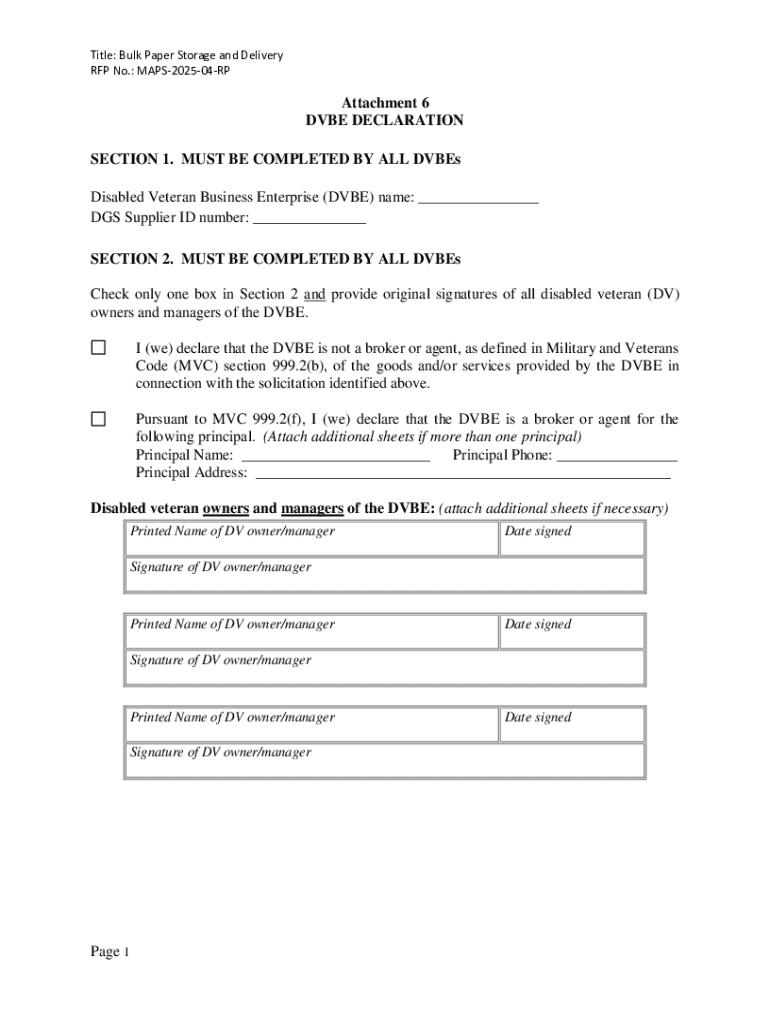







Definition and Meaning of Bulk Paper Storage and Delivery
Bulk Paper Storage and Delivery refers to the comprehensive system and methodologies employed by organizations to store large volumes of paper products and manage their delivery. In sectors relying heavily on physical documentation, such as law, education, and government, efficient paper storage and logistics are crucial. This process not only involves keeping the paper in optimal condition but also ensuring timely distribution to required locations. Providers of these services often have designated facilities equipped with climate control and security features to preserve document integrity.
Storage Solutions for Bulk Paper
- Organized Inventory Management: Utilizing cataloging and shelving systems to efficiently locate and access stored paper.
- Environmental Controls: Implementing temperature and humidity control to prevent deterioration.
- Security Measures: Using lockable storage facilities to prevent unauthorized access and loss.
How to Use the Bulk Paper Storage and Delivery System
Using bulk paper storage and delivery involves several key steps. Organizations must first evaluate their storage needs based on volume and frequency of use. Establish a contract with a reliable service provider offering comprehensive solutions. Ensure that logistical arrangements align with organizational schedules and requirements.
- Assessment of Needs: Determine the amount and types of paper products requiring storage.
- Choosing a Provider: Select a contractor offering appropriate storage facilities and delivery capabilities.
- Facility Setup: Work with the provider to establish storage parameters tailored to your needs.
- Scheduling Deliveries: Plan and coordinate delivery schedules to align with inventory requirements.
- Regular Evaluation: Periodically assess storage and delivery effectiveness and adjust contracts as necessary.
Steps to Complete the Bulk Paper Storage and Delivery Form
Completing the Bulk Paper Storage and Delivery form requires careful attention to detail, ensuring all necessary information reflects current organizational practices and needs.
- Identify Business Information: Provide essential details, including business name, address, and contact information.
- Specify Paper Needs: Include specifications on paper type, dimensions, and required storage conditions.
- Detail Delivery Preferences: Outline preferred delivery schedules, locations, and any special handling instructions.
- Review Security Measures: Confirm that security protocols meet organizational standards and legal requirements.
- Submit Confirmation: Ensure the form is fully completed, with all required signatures, before submission to the relevant authorities or providers.
Key Elements of the Bulk Paper Storage and Delivery System
Understanding the main components of a bulk paper storage and delivery system helps organizations manage their documentation efficiently.
- Storage Capacity: Facilities must accommodate current and projected paper volumes.
- Operational Efficiency: Coordination between storage and delivery ensures timely distribution.
- Tracking Capabilities: Systems to monitor paper quantities and movement in real-time.
Legal Use of Bulk Paper Storage and Delivery
Legal compliance in bulk paper storage and delivery involves adhering to specific guidelines and regulations. These may include confidentiality agreements to protect sensitive information and health and safety standards for storing and handling bulk materials.
Compliance Elements
- Data Protection Laws: Ensure storage methods comply with laws like GDPR in storing sensitive information.
- Environmental Regulations: Follow guidelines for safe and sustainable paper handling.
- Health and Safety Standards: Ensure worker safety during paper storage and transportation.
Important Terms Related to Bulk Paper Storage and Delivery
Understanding terminology is crucial for effective communication and contract management when dealing with bulk paper storage and delivery.
- Palletization: Methods of stacking paper products on pallets for easy transportation.
- Barcode Labeling: Use of barcodes for efficient tracking and inventory management.
- Cross-Docking: A logistics method where products are directly transferred from inbound to outbound transportation without long-term storage.
State-Specific Rules for Bulk Paper Storage and Delivery
Certain states may have unique regulations regarding paper storage and delivery, impacting how businesses structure their logistics and inventory management.
- California: May impose environmental restrictions on paper waste and recycling.
- New York: Could require detailed recordkeeping for documentation logistics.
- Texas: Might have specific tax implications for storage facilities.
Who Typically Uses Bulk Paper Storage and Delivery Services
Bulk paper storage and delivery services are essential across several industry sectors where high-volume document handling and distribution are integral to operations.
- Educational Institutions: Schools and universities manage significant amounts of paperwork, including textbooks and administrative documents.
- Government Agencies: These entities require secure and accessible storage for official documents and forms.
- Healthcare Providers: Hospitals and clinics manage patient records, necessitating efficient paper storage.
By providing detailed information and insights on bulk paper storage and delivery, organizations can optimize their paper management processes and ensure compliance with industry standards and regulations.




