
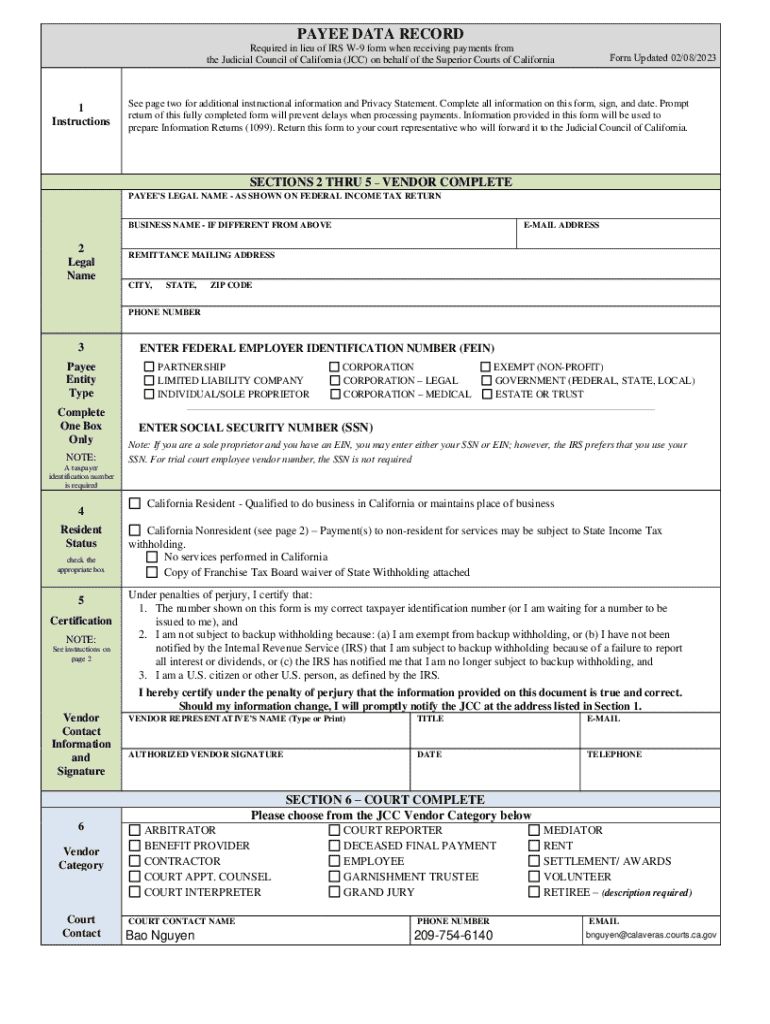







Definition and Meaning of Common Local Court Forms and Packets
Common Local Court Forms and Packets consist of standardized documents used across local jurisdictions to facilitate legal processes. These forms handle various legal matters, ranging from small claims to family law cases. Their purpose is to ensure consistency in information collection, streamline court proceedings, and provide individuals and entities with clear instructions.
- Types of Forms: These can include divorce petitions, small claims filing, restraining orders, and eviction notices. Each form serves a specific legal function, providing the necessary fields for users to fill out relevant information.
- Purpose and Goals: Designed to provide clarity, reduce misunderstandings, and preserve the integrity of the legal process, these forms align data collection with the judicial requirements of specific cases or proceedings.
- Legal Consistency: By using these forms, courts maintain a consistent approach to handling various cases, ensuring all necessary information is present for fair adjudication.
How to Use Common Local Court Forms and Packets
Utilizing these forms effectively requires understanding their structure and the specific information needed. Here’s a detailed guide on how to navigate and complete them.
- Locating the Right Form: Determine the nature of your legal issue to choose the appropriate form. Most court websites offer a searchable database of forms by type of case.
- Reading Instructions: Each form comes with instructions that should be read thoroughly. These instructions provide guidance on completing the form correctly.
- Filling Out Forms: Use clear and concise language to fill out each section. Ensure all required fields are completed, especially those marked with an asterisk or designated as mandatory.
- Submission Procedures: Understand the filing requirements, including deadlines, document copies needed, and the method of submission (online, mail, or in-person).
How to Obtain Common Local Court Forms and Packets
Access to these forms is straightforward but varies slightly depending on the jurisdiction.
- Online Resources: Most courts provide downloadable forms on their official websites, offering convenience and immediate access.
- Court Clerk Offices: You can request printed copies of forms at local court clerk offices, where staff may offer assistance in selecting the correct form.
- Third-party Services: Some legal services and document preparation platforms, such as DocHub, offer access to a variety of court forms with additional features for editing and signing documents digitally.
Steps to Complete the Common Local Court Forms and Packets
A structured, methodical approach ensures precision and completeness.
- Gather Information: Before beginning, compile all necessary documents and information, such as identification, case numbers, and supporting documents.
- Review the Form: Carefully review the entire form before starting to understand all sections and requirements.
- Complete Each Section: Fill in each section with the appropriate information, using available guidelines.
- Proofread: After completing the form, review for any errors or omissions.
- Sign and Date: Ensure all signatures and dates are provided where required.
- Submit the Form: Follow submission instructions carefully, noting any fees or additional documentation needed.
Key Elements of Common Local Court Forms and Packets
Understanding the core elements of these forms aids in accurate completion.
- Contact Information: Accurate personal information, including names, addresses, and contact numbers, is crucial.
- Case Details: Clear articulation of case facts, including dates, descriptions, and any relevant case numbers.
- Legal Clauses: Read and understand any legal language or clauses within the form, as this information holds legal significance.
- Attachments: Be aware of any required supporting documents that need to be attached to the form.
Legal Use of the Common Local Court Forms and Packets
These forms hold significant legal weight; incorrect use can have legal implications.
- Official Purposes: Ensure forms are used strictly for their intended legal purposes, adhering to all outlined procedures and protocols.
- Compliance: Failing to fully complete or accurately submit these forms may result in delays or dismissals of legal proceedings.
Who Typically Uses the Common Local Court Forms and Packets
Understanding the typical users of these forms helps tailor their completion to specific needs.
- Individuals: Members of the public engaged in personal legal matters such as divorce or small claims.
- Attorneys: Legal professionals who use these forms to streamline client casework.
- Businesses: Entities facing legal issues like contract disputes or employment matters might use court forms to initiate proceedings.
- Governmental Agencies: These may utilize forms for statutory legal processes or matters involving state jurisdiction.


State-specific Rules for the Common Local Court Forms and Packets
Legal forms can vary significantly between different states in the U.S., reflecting unique legal standards and procedural requirements.
- Local Variations: Each state may have specific fields or documentation requirements unique to their jurisdiction. Understanding these differences is critical for proper form submission.
- Updates and Changes: Regular updates to the forms may occur, reflecting changes in state laws or procedures. Users should always ensure they access the latest versions to maintain compliance.
Penalties for Non-Compliance with Common Local Court Forms and Packets
Failure to comply with the requirements associated with these forms can lead to legal repercussions.
- Filing Errors: Incorrect or incomplete forms may be returned or dismissed, causing delays in legal proceedings.
- Late Submission: Not adhering to submission deadlines can result in waived rights or unfavorable judgment.
- Legal Consequences: In extreme cases, non-compliance could lead to legal penalties, including fines or additional legal action against the submitter.




