





Definition and Purpose of the New Home Builder Contract Template
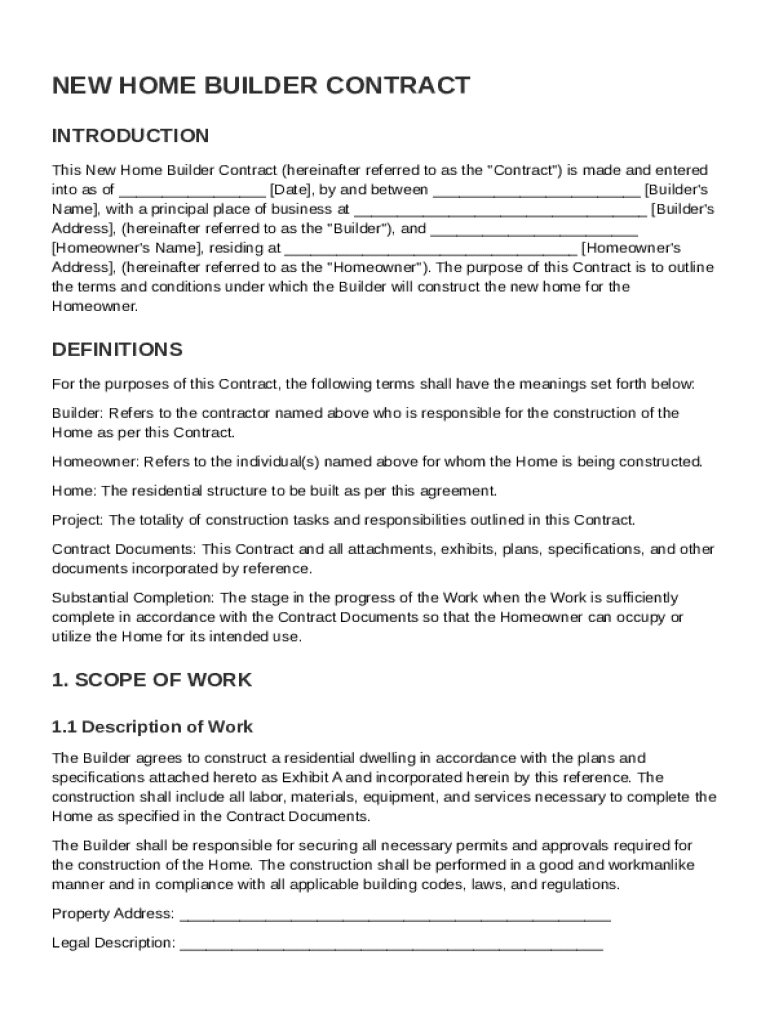
The New Home Builder Contract Template is a foundational document used to formalize agreements between builders and homeowners for constructing a new residential property. It is crucial for documenting the detailed scope of work, setting out payment terms, and delineating responsibilities for both parties. The primary purpose of this contract is to create a clear understanding between the builder and homeowner regarding the construction process, including the timelines, deliverables, and quality standards. By having a well-structured contract, both parties can mitigate misunderstandings and disputes, ensuring a smoother construction project from start to finish.
Key Elements of the New Home Builder Contract Template
When drafting or reviewing the New Home Builder Contract, it is essential to include several key components that provide comprehensive coverage for all potential situations.
-
Scope of Work: Clearly outlines the tasks and responsibilities that the builder will undertake, including any specific designs, materials, and construction methods.
-
Payment Terms: Details the payment schedule, including any deposits required, milestone payments, and the final balance upon completion of the project.
-
Project Duration: Specifies the expected timeline for the construction project, noting the start and completion dates, as well as any critical milestones.
-
Warranty Provisions: Outlines the builder’s obligations regarding warranties on materials and workmanship, which protects the homeowner against defects after the project is completed.
-
Insurance Requirements: Ensures that both parties have the necessary insurance coverage to protect against liabilities or damages during construction.
Legal Use and Compliance
The New Home Builder Contract Template must comply with federal and state regulations to be legally enforceable. This involves adhering to the ESIGN Act for electronic signatures and ensuring the contract is constructed according to the laws applicable in the state where the construction occurs. Being aware of these legal requirements is crucial for both parties to safeguard their interests and ensure that the agreement withstands any legal scrutiny.
How to Use the New Home Builder Contract Template
Utilizing the New Home Builder Contract Template requires understanding each section to fill it out accurately. Here’s a step-by-step guide to using the template effectively:
-
Download the Template: Access the template from a reputable source such as DocHub, ensuring you have the latest version compatible with your needs.
-
Customize the Document: Adjust the template to reflect the specific details of your construction project, including the scope of work, timelines, and payment terms.
-
Review and Revise: Both parties should review the customized contract to identify any areas that require clarification or additional detail.
-
Obtain Legal Review: Consider having a legal professional review the contract to ensure compliance with state laws and regulations.
-
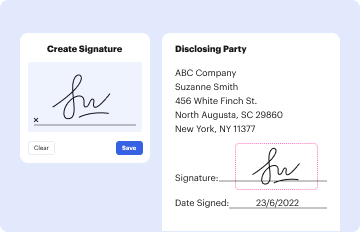
Sign and Secure: Once both parties are satisfied, electronically sign the contract using a platform like DocHub to ensure the signatures are legally binding.
Important Terms Related to the Contract
Understanding the terminology within a New Home Builder Contract is crucial for both parties. Key terms include:
-
Change Order: A documented agreement to modify aspects of the construction project after the contract is signed.
-
Retention: A portion of the agreed contract sum retained until the completion of the project to ensure satisfactory performance by the builder.
-
Liquidated Damages: Pre-determined compensation amounts payable if the project is delayed beyond the agreed completion date.
State-Specific Rules and Variations
The New Home Builder Contract often needs to be adapted based on state-specific laws that dictate residential construction requirements. For instance, some states have particular statutes governing construction defects or mandatory inclusion of certain provisions such as cooling-off periods for signing contracts. It is imperative for both builders and homeowners to familiarize themselves with these regulations to ensure that their contract complies with local standards, thereby avoiding penalties or legal disputes.
Who Typically Uses the New Home Builder Contract Template
The primary users of the New Home Builder Contract Template include residential builders and developers, custom home builders, and individual homeowners embarking on a new home construction project. Each entity benefits from the structured framework the contract provides, as it clarifies roles, responsibilities, and expectations. Additionally, legal advisors and real estate professionals may use these templates to assist clients in securing a fair and comprehensive construction agreement.


Step-by-Step Instructions for Completing the Template
Filling out the New Home Builder Contract Template involves several sequential steps to ensure all details are accurately documented:
-
Enter Basic Information: Start by filling in the names and contact information of both the builder and homeowner.
-
Detail the Scope of Work: Clearly describe the construction project, including specific tasks, materials, and the quality of workmanship expected.
-
Set Payment Schedules: Define the deposit amount, progress payment terms, and final payment details based on project milestones.
-
Include Project Timelines: Provide a clear timeline for the project, marking significant milestones and the anticipated completion date.
-
Identify Insurance and Legal Requirements: Specify necessary insurance coverages and warranties, and review legal compliance for both parties.
-
Finalize the Terms: Review the completed document, discuss any necessary changes, and prepare for signatures as the final step.