




Definition and Purpose of a Lease Renewal Contract Template
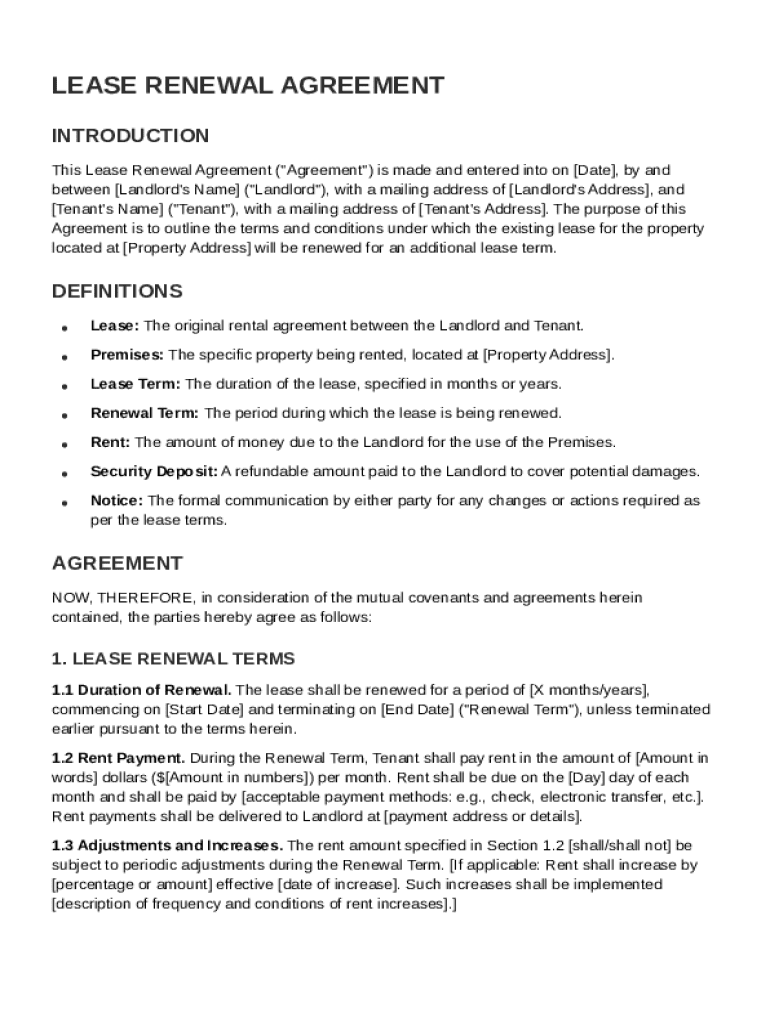
A Lease Renewal Contract Template is a pre-structured document used to formalize the continuation of a lease agreement between a landlord and tenant. This document outlines the terms under which the lease is extended, ensuring clarity and mutual agreement between the parties involved. The primary purpose is to detail specific conditions such as the renewal period, rent adjustments, and responsibilities of both parties to avoid misunderstandings or disputes.
A well-structured template standardizes these agreements, enabling landlords and property managers to efficiently create lease renewals that are consistent and legally sound. It also provides a sense of security and planning for tenants who wish to continue residing in a property under updated or extended terms. The inclusion of legal provisions ensures that both parties are aware of their rights and obligations throughout the duration of the renewed lease.
Key Elements of the Lease Renewal Contract Template
Lease agreements and their renewals require precise and comprehensive detailing of the involved terms. The Lease Renewal Contract Template typically includes essential elements such as:
- Renewal Term: Specifies the duration for which the lease is being renewed, whether it be for six months, one year, or another agreed-upon period.
- Rent Details: Outlines any changes in rent, including new amounts and due dates. This section may also address late payment penalties or discounts for early payments.
- Security Deposit: States the status of the security deposit, whether it remains the same, requires additional funds, or offers a refund of excess deposits if applicable.
- Maintenance and Repairs: Clarifies the responsibilities for property maintenance and who bears the costs for repairs, ensuring both parties understand their roles.
- Termination Conditions: Describes the conditions under which the lease may be terminated prematurely, including notice requirements and any penalties involved.
- Governing Law: Indicates which state’s laws will govern the lease agreement, which is crucial for resolving any legal disputes that may arise.
- Amendments: Outlines the need for any changes to the lease agreement to be in writing and signed by both parties to be valid.
These elements collectively ensure that the lease renewal is comprehensive, covering all necessary legal and practical matters that affect both the landlord and tenant.
Steps to Complete the Lease Renewal Contract Template
Completing a Lease Renewal Contract Template involves several meticulous steps to ensure accuracy and completeness. Follow this sequence to prepare the document:
- Review Existing Lease: Begin by examining the original lease to understand the current terms and conditions, and discuss any changes with the tenant.
- Set Renewal Terms: Decide the renewal duration, any rent adjustments, and other terms that need modification or reaffirmation.
- Fill in Template Details: Enter all necessary information into the Lease Renewal Contract Template, including the names of both parties, property address, and specific terms.
- Check Compliance: Ensure all elements comply with state and local property laws, adjusting any sections that might conflict with legal requirements.
- Include Additional Clauses: Add any additional clauses needed to address specific scenarios, such as pet policies or subleasing permissions.
- Review Document with Tenant: Share the draft with the tenant for review, allowing for clarification of terms and negotiation if necessary.
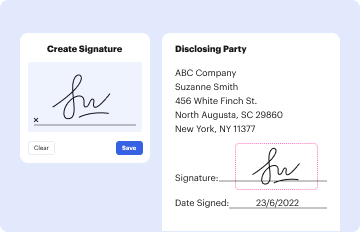
- Finalize and Sign: Once both parties agree on the terms, finalize the document with signatures from both the landlord and tenant, which can be facilitated using DocHub's electronic signature capabilities.
Legal Use of the Lease Renewal Contract Template
The legal validity of a Lease Renewal Contract Template is contingent on its adherence to both federal and state real estate laws. When using this template:
- Ensure the document is clear, concise, and includes all necessary legal terms and clauses.
- Verify that the lease renewal terms do not violate any tenant rights, such as unlawful rent increases or tenant discrimination laws.
- Use secure methods to distribute, sign, and store the contract to maintain its integrity and accessibility, such as through encrypted online platforms like DocHub.
Legal compliance ensures that the contract is defensible in court and protects the interests of both the landlord and tenant throughout the lease term.
State-Specific Rules for Lease Renewal Contracts
Lease renewal terms can vary significantly due to differing state laws in the United States. Important considerations include:
- Rent Control Regulations: Some states have rent control laws that limit the amount by which rents can be increased upon renewal.
- Minimum Notice Periods: States may have statutes that dictate the minimum notice period required for lease renewal or termination.
- Security Deposit Regulations: The manner in which security deposits are handled, including interest payments or allowable deductions, may differ by state.
- Disclosure Requirements: Certain disclosures, such as those related to environmental hazards, may be mandated in specific states as part of a renewal.
Landlords should ensure compliance with specific rules pertaining to their state and jurisdictions to avoid legal issues.
Benefits of Using a Lease Renewal Contract Template
A standardized Lease Renewal Contract Template offers several benefits for landlords and tenants:
- Efficiency: Streamlines the process of generating consistent, legally sound lease renewals without starting from scratch each time.
- Clarity: Ensures all parties understand renewed terms, avoiding potential conflicts due to ambiguous language or omitted details.
- Security: Provides a legal record of agreement terms which can protect landlord and tenant rights in legal disputes.
- Professionalism: Presents a professional approach to property management, enhancing tenant trust and satisfaction.
Utilizing such templates can greatly reduce the administrative burden on landlords while providing a clear framework for tenant agreements.
Examples of Using the Lease Renewal Contract Template
A practical understanding of how a Lease Renewal Contract Template is applied can be gained from examples of different scenarios:
- Residential Lease: A landlord uses the template to renew a residential lease, increasing rent by $50 per month and updating maintenance responsibilities so that the tenant now handles minor repairs up to $100.
- Commercial Lease: In a commercial property context, a lease renewal involves extending the lease term for an additional three years with a clause that allows periodic rent increases based on local market trends.
- Short-Term Lease Extensions: Tenants who require only short-term extensions can utilize the renewal template, setting an updated monthly rate and clarifying specific time-bound commitments.
These examples highlight the versatility of the Lease Renewal Contract Template across various property types and tenant needs.
Steps to Obtain and Use a Lease Renewal Contract Template
Securing and utilizing a Lease Renewal Contract Template provides efficiency in property management:
- Download from Trusted Sources: Obtain templates from reputable sources such as legal service providers or document management platforms like DocHub.
- Customize the Template: Modify the standard template to include specific terms and conditions relevant to your property and tenant circumstances.
- Seek Legal Review: For added security, have an attorney review the customized template to ensure its legality and compliance with all applicable laws.
- Store and Manage Digitally: Use platforms like DocHub to store and manage your templates, enabling easy access, updates, and distribution without paper clutter.
These steps ensure that landlords can seamlessly manage renewals while ensuring legal compliance and operational efficiency.