




Definition and Meaning of the Termination of Construction Contract Template
A Termination of Construction Contract Template is a formal document used to outline the process of ending a construction contract prematurely. This template serves as a crucial tool for documenting the dissolution of contractual agreements between an owner and a contractor. It provides clarity on the rights, obligations, and processes involved in terminating a construction project, ensuring that both parties understand the terms and conditions leading to the contract’s conclusion. Essential elements typically included are grounds for termination, notice procedures, financial settlements, and any release of claims.
Key Elements and Structure
- Grounds for Termination: Outlines specific reasons a contract can be terminated, such as breach of contract or unforeseen circumstances.
- Notice Procedures: Details how and when parties will notify each other about the termination.
- Financial Settlements: Describes the settlement of obligations, including payments, penalties, or refunds.
- Release of Claims: Ensures that neither party can make claims against the other post-termination.
How to Use the Termination of Construction Contract Template
Using the Termination of Construction Contract Template involves a step-by-step approach to ensure all necessary aspects of contract termination are addressed. It is important to carefully review the contract terms and conditions and consult legal experts if necessary.
Steps to Use the Template
- Gather Contract Details: Collect all relevant information about the existing contract, including start and end dates, parties involved, and obligations.
- Identify Grounds for Termination: Clearly outline the reasons for termination, referring to the original contract terms where applicable.
- Draft the Termination Notice: Using the template, draft a formal notice specifying the termination grounds and any necessary settlement procedures.
- Communicate with All Parties: Send the termination notice to all relevant parties, ensuring receipt and acknowledgment.
- Finalize Financial Settlements: Resolve any outstanding payments or compensations as detailed in the termination agreement.
Key Elements of the Termination of Construction Contract Template
To effectively utilize the Termination of Construction Contract Template, it is essential to understand its key components. Each element plays a vital role in effectively terminating a contract while protecting the interests of both parties.
Detailed Breakdown of Key Elements
- Definitions Section: Provides clarity on the terms used within the template, ensuring both parties have a common understanding.
- Parties Involved: Lists the names, roles, and contact information of all parties included in the contract termination.
- Confidentiality Provisions: Outlines any specific confidentiality agreements that remain in effect post-termination.
- Governing Law: Specifies the legal jurisdiction under which the contract termination is governed.
Legal Use of the Termination of Construction Contract Template
The legal framework surrounding the use of a Termination of Construction Contract Template is critical to its successful implementation. All parties must be aware of the legal implications of contract termination to avoid disputes.
Legal Considerations
- Compliance with State Laws: Ensure the termination adheres to relevant state regulations governing construction contracts.
- Use of Legal Counsel: The involvement of an attorney can guarantee that the termination process is legally sound and protects the interests of all parties.
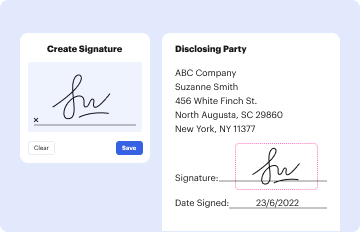
- Document Integrity: Maintain the integrity of the document by ensuring all signatures and agreements are authentic and willingly provided.
State-Specific Rules for the Termination of Construction Contract Template
Under U.S. law, specific state requirements may influence the termination process of a construction contract. Understanding these variations is crucial to ensure compliance.
Regional Considerations
- State-Specific Clauses: Some states may require additional clauses specific to regional legislation.
- Regulatory Bodies: Different states may have specific regulatory bodies to oversee the termination of construction contracts.
- Variations in Notice Period: The legally mandated notice period can differ from one state to another, affecting the timeline for termination.
Examples of Using the Termination of Construction Contract Template
Examples of practical applications of a Termination of Construction Contract Template can offer valuable insights. These scenarios illustrate typical reasons for termination and how the template can facilitate the process.
Practical Scenarios
- Breach of Contract: When a contractor fails to meet specified milestones or quality standards.
- Mutual Agreement: Both parties may agree to terminate due to changing circumstances that render the project unviable.
- Financial Difficulties: If the contractor or owner encounters financial issues that prevent project continuation.
Software Compatibility and Integration with the Termination of Construction Contract Template
For a seamless transition between digital documentation and practical execution, compatibility with various software systems is important. This ensures ease of use and efficient management of contract terminations.
Compatible Software Systems
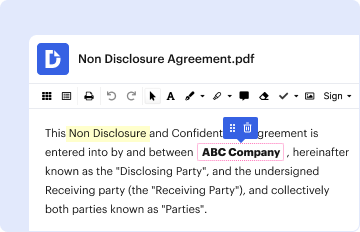
- Document Editing Tools: Platforms like DocHub offer tools for creating, editing, and signing the termination templates online.
- Cloud Storage Services: Integration with services like Google Drive or Dropbox facilitates easy document access and sharing.
- Project Management Software: Systems like QuickBooks can be used to manage financial settlements associated with contract termination.
Versions and Alternatives to the Termination of Construction Contract Template
Understanding potential variations and alternatives to the Termination of Construction Contract Template can provide flexibility and adaptability in its use.
Template Variations
- Version Updates: Changing legal landscapes may necessitate updates to template versions to remain compliant.
- Tailored Templates: Customizing the template to fit specific project types or business needs.
- Alternative Documents: In some cases, additional documentation might be necessary, such as amendments or addendums to the existing contract.