




01. Edit your form online
Type text, add images, blackout confidential details, add comments, highlights and more.

Type text, add images, blackout confidential details, add comments, highlights and more.

Draw your signature, type it, upload its image, or use your mobile device as a signature pad.

Send it via email, link, or fax. You can also download it, export it or print it out.
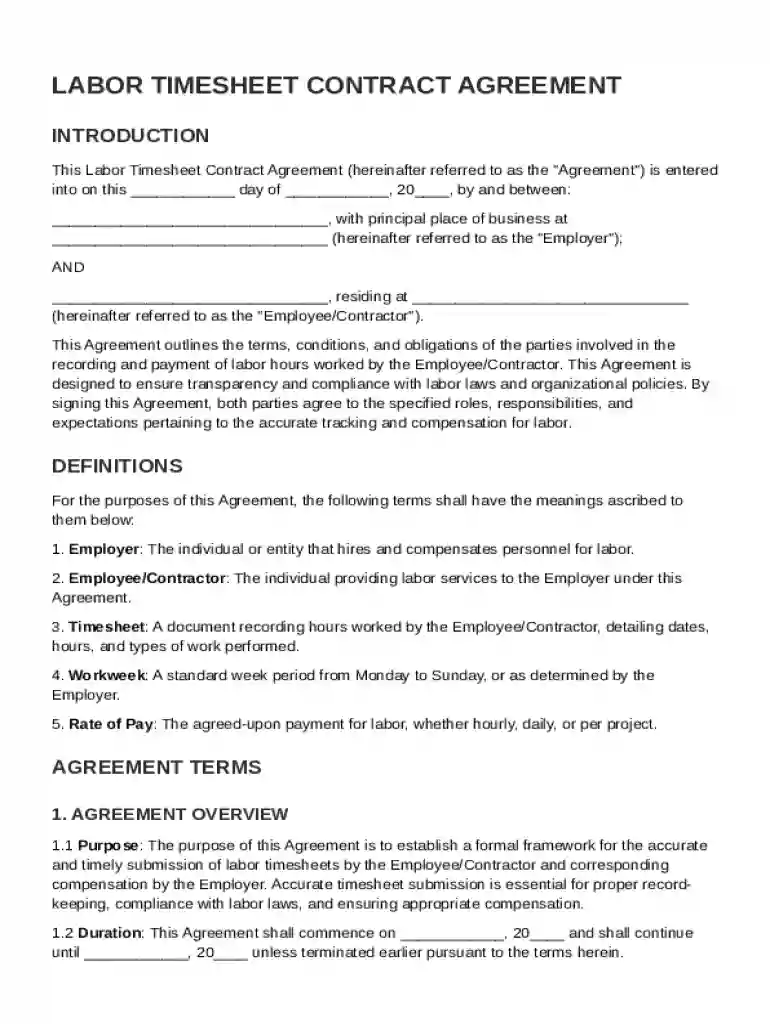
The Labor Timesheet Contract Template is a structured legal document used to record, verify, and compensate labor hours worked by an employee or contractor under a specific agreement. At its core, this template lays out the terms and conditions that both the employer and employee must adhere to, ensuring a transparent and organized process for logging work hours. This document encompasses details such as timesheet submission protocols, approval workflows, and compensation rates. It is designed to conform to labor laws to uphold fairness and protect the interests of all parties involved. Understanding its purpose helps maintain compliance and fosters a harmonious employer-employee relationship.
A comprehensive Labor Timesheet Contract Template includes several critical elements that define its scope and utility:
Identification Information: This section captures the essential details of both the employer and employee, including names, addresses, and contact particulars.
Work Hours Recording: Guidelines for logging daily work hours, including start and end times or task descriptions.
Submission Procedures: A defined process for timesheet submission, covering deadlines and acceptable submission methods.
Verification and Approval: The procedures required for timesheet verification by supervisors and the steps necessary for approval.
Compensation Details: An outline of the agreed-upon compensation rates, payment frequency, and any additional remunerations or bonuses.
Dispute Resolution: Mechanisms and protocols for resolving disagreements related to recorded work hours or associated compensation.
Compliance Clauses: Provisions ensuring that the timesheet and compensation process adhere to applicable labor laws and regulations.
Completing the Labor Timesheet Contract Template is a straightforward process when approached systematically:
Gather Necessary Information: Before initiating the contract, ensure that all relevant data about the employer, employee, and agreed terms are available.
Define Work Expectations: Clearly outline the scope of work, expected work hours, tasks, and reporting protocols.
Specify Compensation Framework: Detail the pay structure, including hourly rates or salaries, payment schedules, and any benefits.
Develop Submission and Approval Processes: Establish the deadlines and formats for timesheet submissions, and define the approval process.
Incorporate Dispute Resolution Terms: Specify procedures for addressing any potential conflicts over timesheets or payments.
Review and Finalize the Document: Conduct a thorough review for accuracy and completeness before obtaining signatures.
Secure Legal Review (Optional): Consult a legal professional to ensure compliance with local labor laws.
Understanding specific terms commonly associated with the Labor Timesheet Contract Template can clarify its application:
Timekeeping: The systematic recording of worked hours, crucial for accurate compensation and compliance.
Overtime: Hours worked beyond the regular schedule that may warrant additional compensation.
Timesheet: A document tracking the hours an employee or contractor has worked over a specified period.
Approval Workflow: The process by which submitted timesheets are verified and authorized by the supervisor or employer.
Auditing: The review and examination of timesheets for accuracy and compliance with contractual terms and regulations.
The Labor Timesheet Contract Template serves various entities and individuals who require organized and accurate tracking of labor hours. Typical users include:
Small to Medium-Sized Businesses: Organizations needing a structured approach to manage employee hours and ensure proper compensation.
Freelancers and Independent Contractors: Individuals who must verify hours worked for different clients to receive payments.
HR Departments: Divisions responsible for managing workforce productivity and payroll.
Project Managers: Professionals overseeing tasks and deadlines who need to track team efficiency and workload.
Remote Workers: Employees working outside of traditional office environments requiring clear documentation of hours.


Legal compliance is integral to the use of the Labor Timesheet Contract Template:
Compliance with Labor Laws: The template should reflect federal and state labor laws, such as minimum wage requirements and overtime pay.
Confidentiality Clauses: Terms that ensure the privacy of employee and employer information as described in the contract.
Binding Agreement: By signing, both parties agree to adhere to the terms specified, providing legal recourse in case of disputes.
Leveraging examples can help visualize practical applications of the Labor Timesheet Contract Template:
A marketing agency managing remote workers can implement the template to ensure team members accurately report their working hours, fostering transparency and trust.
An independent contractor providing consultancy services uses the template to document billable hours for various clients, which ensures timely and appropriate compensation for delivered work.
A small business employing hourly workers can track labor hours to calculate wages accurately and administer payroll efficiently, reducing discrepancies and enhancing employee satisfaction.
While the general structure of a Labor Timesheet Contract Template is standardized, state-specific legal requirements may affect its content and application:
Minimum Wage Variances: Different states have varying minimum wage laws that must be reflected in the template's compensation terms.
Overtime Pay Regulations: State-specific laws may determine how overtime is calculated and compensated.
Mandatory Breaks and Rest Periods: Certain jurisdictions require specific break periods during shifts that must be accounted for within the template.
Employers and users must familiarize themselves with these local regulations to ensure legal compliance and avoid penalties.
At DocHub, your data security is our priority. We follow HIPAA, SOC2, GDPR, and other standards, so you can work on your documents with confidence.
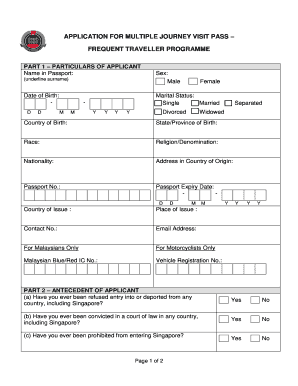

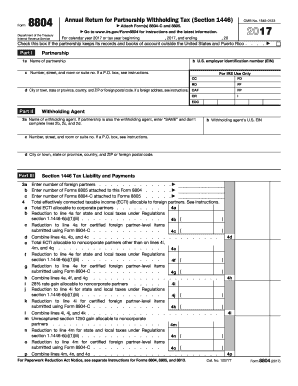
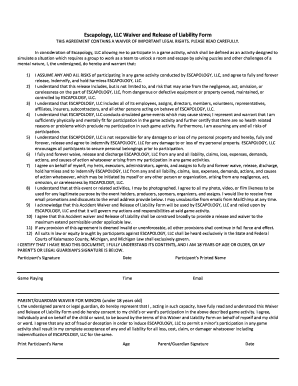
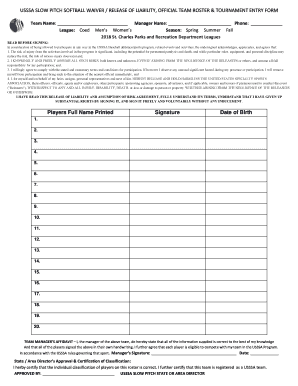

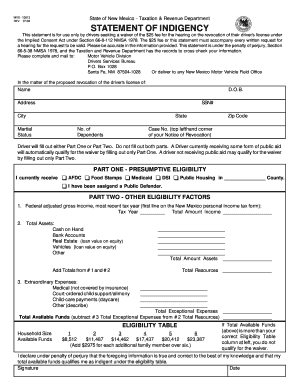
Download the Form. State Hourly-Paid Employee Time Sheet Download xlsx(42 KB).
This timesheet template is provided for workers to manually track the hours they work. To spot and prevent wage theft, it is critical that workers prioritize
A Rate Template allows you to create a rate to assign to employees or labor levels. Rate. Templates are assigned to employees in the Wages tab of the Employee


