




Definition & Meaning
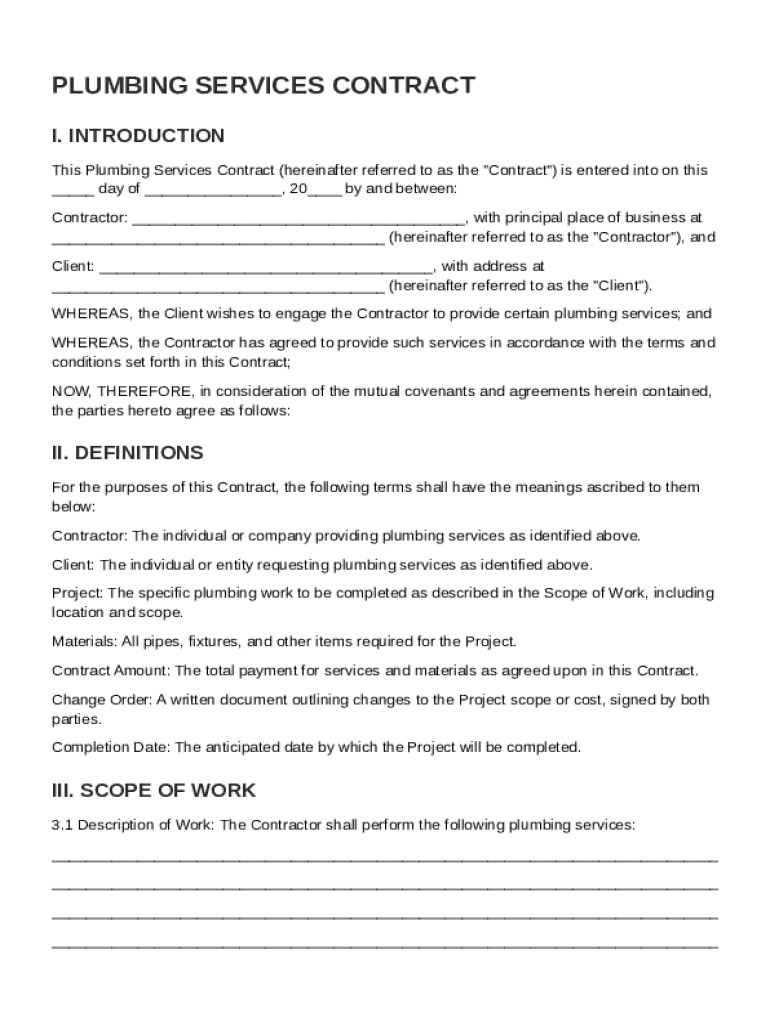
The Plumb Contract Template is a specialized document used to formalize agreements between plumbing contractors and their clients. It serves as a legal framework to outline the terms and expectations for plumbing services, including the project's scope, financial arrangements, responsibilities, and dispute resolution mechanisms. By defining these parameters, the template helps prevent misunderstandings and ensures a mutual understanding between the involved parties. It is a comprehensive resource that clarifies each party's obligations, thereby safeguarding their rights and interests throughout the duration of the contract.
Key Elements of the Plumb Contract Template
Central to the Plumb Contract Template are several critical components that ensure its effectiveness and legal validity:
-
Scope of Work: Clearly defines the tasks the contractor will perform, including materials, labor, and any subcontracting details.
-
Payment Terms: Details the agreed payment schedule, deposit requirements, and methods of payment, providing transparency in financial transactions.
-
Responsibilities: Outlines the duties and obligations of both the contractor and the client, ensuring mutual accountability.
-
Change Orders: Specifies procedures for handling any changes or additions to the agreed-upon work, including documentation and cost implications.
-
Warranties and Guarantees: Includes assurances provided by the contractor regarding the quality and durability of the work.
-
Termination Conditions: Lists the circumstances under which the contract may be terminated by either party and the ramifications of such actions.
-
Liability and Insurance: Details coverage for damages or accidents during the project, protecting both parties from potential financial loss.
Steps to Complete the Plumb Contract Template
Effectively completing the Plumb Contract Template involves several essential steps:
-
Gather Necessary Information: Collect details such as project specifications, client and contractor information, and timelines.
-
Fill Out Detailed Sections: Enter all pertinent information into the relevant sections of the document, including the scope of work and payment terms.
-
Review for Accuracy: Double-check all entries to ensure they are correct and complete, minimizing the risk of future disputes.
-
Add Any Custom Clauses: Tailor the template to meet specific needs by including custom clauses that align with unique project requirements.
-
Seek Legal Advice: For added assurance, consult with a legal professional to review the document before finalizing it.
-
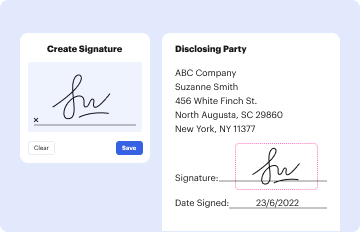
Final Signatures: Obtain signatures from all involved parties, indicating their agreement and commitment to the terms.
Legal Use of the Plumb Contract Template
The Plumb Contract Template is crafted to comply with U.S.-based legal standards, making it a reliable instrument for formalizing plumbing agreements. Adhering to the legal framework ensures that the contract is enforceable and protects the rights of both parties. It is crucial to understand that any modifications or amendments to the template should not contravene applicable laws. The document's use is most effective when parties remain transparent and align the template's terms with state-specific regulations, particularly regarding licensing and insurance requirements.
Software Compatibility
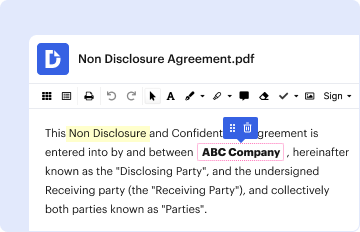
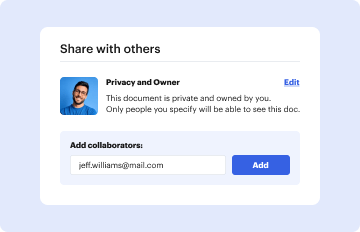
While the Plumb Contract Template was designed for seamless compatibility with a variety of software solutions, users commonly utilize document management platforms like DocHub to edit and manage their contracts. This versatility allows for easy integration with programs such as Google Workspace, further enhancing workflow efficiency. Users can edit, sign, and share these contracts without undergoing complex conversions or technical barriers, thereby streamlining the documentation process.
State-Specific Rules for the Plumb Contract Template
Contractual regulations can vary significantly between states, which necessitates careful consideration of local laws when using the Plumb Contract Template. For example, licensing requirements for contractors, permissible payment structures, and consumer protection laws are subject to state-specific regulations. Therefore, it is advisable to tailor the template in accordance with jurisdictional stipulations to ensure compliance and avoid legal complications.
Who Typically Uses the Plumb Contract Template
The Plumb Contract Template is primarily used by:
-
Independent Plumbing Contractors: Individuals who manage small to medium-sized projects and require a formal agreement with their clients.
-
Plumbing Companies: Larger firms that engage in multiple projects simultaneously, necessitating standardized contracts for efficiency.
-
Clients: Property owners or managers seeking to establish clear, binding agreements with service providers.
This template is a vital tool for any party looking to formalize their intentions and expectations, ensuring that all participants are on the same page.

Penalties for Non-Compliance
Failing to adhere to the terms outlined in the Plumb Contract Template can result in various penalties, including:
-
Financial Consequences: Breach of contract may lead to forfeiture of payments or additional costs for remedial work.
-
Legal Repercussions: Parties may face litigation, leading to damages and legal fees if disputes arise and are not resolved amicably.
-
Reputation Damage: Non-compliance can harm the contractor's reputation, impacting future business opportunities.
Understanding the severity of these penalties underscores the importance of adhering strictly to the contract's terms and maintaining clear communication throughout the project.